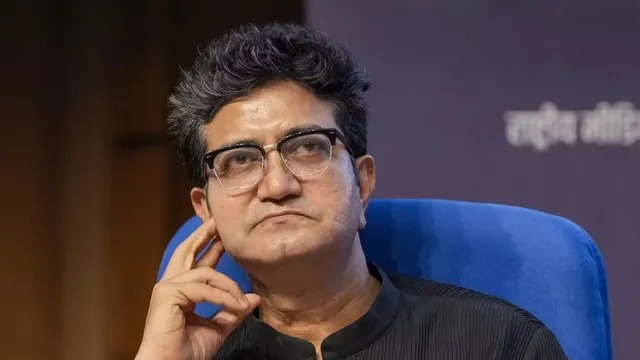
The Ministry of Information and Broadcasting has set up a high-level study group led by Prasoon Joshi to design a long-term growth roadmap for Indian cinema. The panel will address AI technology integration and institutional funding within three months, while new model cinema rules aim to simplify theater expansions nationwide.
NEW DELHI — The Union Ministry of Information and Broadcasting has formally constituted a high-level study group chaired by Prasar Bharati Chairman Prasoon Joshi to evaluate the operational challenges and structural growth opportunities facing the domestic film industry. Announced following a comprehensive review meeting headed by Union Minister Ashwini Vaishnaw, the panel has been mandated to devise a modern policy framework to scale up the global competitiveness of Indian cinema. This regulatory intervention comes at a critical juncture as film producers navigate rising capital costs, shifting theater distribution models, and the rapid integration of artificial intelligence tools in media post-production.
Technical Directives and Advanced Technological Integration
The newly formed study group brings together entertainment industry experts, national policymakers, and digital technology partners. According to a statutory press statement issued by the Ministry of Information and Broadcasting, the panel has been allocated an official three-month deadline to submit its comprehensive findings and strategic recommendations.
A primary mandate of the committee involves analyzing the long-term impact of emerging technologies, explicitly focusing on Artificial Intelligence (AI) and virtual production ecosystems. The group will analyze how domestic directors, sound designers, and visual effects houses can leverage these automation tools to reduce escalating production cycles while staying globally competitive.
Beyond technical evolution, the panel will address deep-rooted structural bottlenecks in independent film financing. The study group is tasked with creating viable pathways for producers to transition away from high-interest unstructured lending channels toward reliable institutional finance options, market-linked credit facilities, and alternative venture capital structures for both localized production and cross-border distribution.
Model Regulations Aim to Standardize Theater Infrastructure
Simultaneously, the central government has drafted and circulated the Model State Cinema Regulations to all regional state administrations to resolve infrastructure disparities. Because the regulation of single-screen theaters and multi-screen multiplexes is governed explicitly under the State List of the Indian Constitution, varying compliance demands have historically slowed down structural expansion.
The Ministry highlighted that inconsistent approval frameworks across states have stood as a major roadblock to scaling up the country's screen density, notably across Tier-2, Tier-3, and rural markets. The incoming model rules provide a streamlined single-window clearance protocol designed to encourage corporate theater investments, simplify safety certifications, and increase the total number of screening arenas nationwide.
Structural Impact on Consumers, Filmmakers, and Investors
For individual retail consumers, families, and film enthusiasts residing in suburban and rural landscapes, the adoption of standardized state cinema rules will translate into improved access to modern multiplex configurations, better seating arrangements, and advanced sound setups closer to home.
For institutional media investors and movie studio executives, the creation of clear guidelines for institutional financing lowers the risk premium associated with mid-budget regional films. Establishing transparent funding protocols protects private equity allocations, while accelerated screen installations give distributors a larger theatrical network to recoup heavy box-office investments.
Quote Section
"According to officials from the ministry's broadcasting division, the joint initiatives are designed to build a highly modern, structurally sound, and globally competitive film ecosystem, ensuring that Indian cinema remains a powerful and economically resilient engine for cultural diplomacy."
Why It Matters
Establishing standardized corporate financial structures and implementing clear infrastructure regulations ensures long-term operational consistency for the multi-billion rupee Indian entertainment sector. By creating institutional methods to adopt artificial intelligence and streamlining multiplex approvals, the policy helps protect the sector against shifting global digital trends. It also ensures that independent storytellers can secure fair capital options to bring their creative content to international markets.
Key Facts at a Glance
Leadership Appointment: Noted communications expert Prasoon Joshi will lead the high-level cinematic study group.
Reporting Window: The high-level panel has been granted a three-month period to deliver its definitive policy report.
Core Technology Analysis: The group will specifically study the impacts and deployment parameters of AI and virtual production tools.
Infrastructure Standardization: Model State Cinema Regulations have been dispatched to states to simplify theatrical venue licensing.
FAQ Section
Q1: What is the primary purpose of the new Prasoon Joshi-led study group? A: The panel is tasked with studying the current economic opportunities and structural challenges facing Indian cinema, creating solutions for global market competition, institutional finance access, and technology adoption.
Q2: How will the Model State Cinema Regulations help small-town theater owners? A: The model regulations provide a unified, simplified approval blueprint designed to eliminate bureaucratic delays and replace fragmented local rules, making it easier to build and expand theaters in rural and Tier-3 markets.
Q3: Is the study group looking into streaming platforms (OTT) or primarily theatrical cinema? A: The primary mandate focuses on the long-term health of the film industry, film production technologies, fundraising hurdles, and theatrical infrastructure development across the country.
Source: Press Information Bureau (PIB) Delhi, Ministry of Information and Broadcasting Official Policy Updates