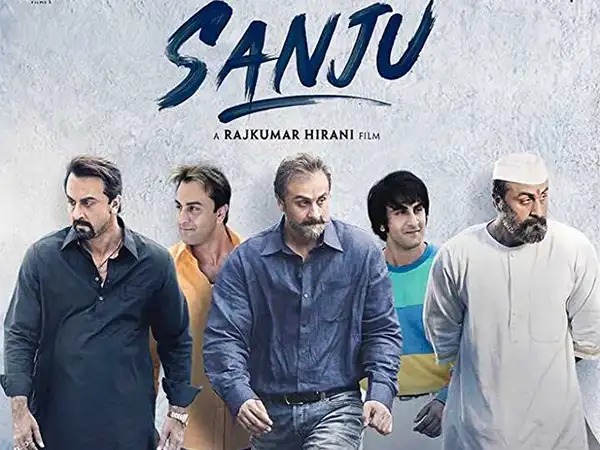
Marking eight years since its debut, Rajkumar Hirani’s biographical drama Sanju remains a landmark in Indian cinema. Starring Ranbir Kapoor, the film achieved massive commercial success by blending real-life controversy with emotional storytelling, serving as a masterclass in how to produce viable biographical dramas for global audiences.
MUMBAI — Exactly eight years after its theatrical release on June 29, 2018, Rajkumar Hirani's biographical drama Sanju remains a significant reference point in modern Indian cinema. The film, which chronicles the turbulent life of Bollywood actor Sanjay Dutt, grossed over ₹586 crore globally, according to verified box office tracking agencies. As Indian cinema navigates shifting audience preferences toward high-concept blockbusters, industry analysts are revisiting Sanju to evaluate its enduring cultural impact and structural choices.
1. The Power of the Rajkumar Hirani Brand
Prior to the release of Sanju, director Rajkumar Hirani had maintained a flawless commercial record with successes like Munna Bhai M.B.B.S., Lage Raho Munna Bhai, 3 Idiots, and PK. According to historical distribution reports from Vinod Chopra Films, the project was greenlit due to Hirani’s established ability to blend dramatic stakes with accessible, mainstream entertainment. The director's specific style of humanizing complex protagonists ensured the biographical drama resonated outside traditional arthouse frameworks.
2. A Definitive Physical Transformation by Ranbir Kapoor
Lead actor Ranbir Kapoor underwent extensive physical conditioning to portray Dutt across four decades of his life. Data released by the film’s production crew detailed a rigorous routine where Kapoor adjusted his body weight by 15 kilograms to emulate Dutt’s varying physical states, from his early 1980s build to his late-stage fitness regime. Costume designers and prosthetics experts were brought in from international markets to execute the visual continuity.
3. Commercially Viable Treatment of Controversial Themes
While traditional biographical projects in Indian cinema historically leaned toward hagiography, Sanju documented internal vulnerabilities, specifically addressing substance abuse and legal indictments under the Arms Act. Film trade analysts note that the narrative choice to depict these vulnerabilities rather than gloss over them contributed significantly to the audience's emotional investment, driving repeat theater footfalls during its multi-week run.
4. Nuanced Exploration of Complex Father-Son Relationships
A core pillar of the film’s narrative structure is the dynamic between Sanjay Dutt and his father, Sunil Dutt, portrayed by veteran actor Paresh Rawal. According to screenwriter Abhijat Joshi in public retrospectives, the narrative team prioritized the domestic anchor over the industry drama. This focus provided an accessible emotional hook for domestic audiences who prioritized family dynamics over industrial insights.
5. Deconstructing the Evolving Role of Mainstream Media
The movie offers a distinct critique of sensationalist tabloid journalism through its musical numbers and subplots, specifically highlighting the systemic impact of unverified reportage on an individual’s public trial. The track "Baba Bolta Hain Bas Ho Gaya" functioned directly as a satirical commentary on media narratives. This critique remains highly relevant today as discussions around media accountability continue to expand globally.
6. Strong Secondary Character Arcs and Ensembles
The commercial durability of Sanju was reinforced by its supporting cast, most notably Vicky Kaushal’s portrayal of Kamlesh "Kamli" Kanhaiyalal Kapasi. The character, representing a composite of Dutt’s real-life close friends, became a focal point of public acclaim. Industry experts highlight that the distinct friendship arc helped offset the heavy thematic elements of the protagonist's legal battles.
7. Strategic Deployment of Chart-Topping Soundtracks
Composed by a collaborative team including AR Rahman, Rohan-Rohan, and Vikram Montrose, the film’s soundtrack served distinct narrative functions. According to analytical data from streaming platforms, tracks like "Kar Har Maidan Fateh" acted as motivational high points that sustained the dramatic pacing of the second half, ensuring that the film remained engaging despite its runtime of nearly 160 minutes.
8. Financial Benchmarks in the Biopic Genre
Financially, Sanju remains one of the highest-earning non-franchise biographical dramas in Indian cinema history. Data from the Box Office India repository establishes that the film broke opening-week records across multiple domestic circuits, proving that well-produced biographical content could compete directly with action-heavy tentpoles.
Official Sources Section
Information regarding production timelines, casting adjustments, and financial performance is sourced directly from official press releases by Fox Star Studios, corporate financial filings from Vinod Chopra Films, and archival distribution records from the Central Board of Film Certification (CBFC).
Quote Section
"According to officials involved in the film's distribution strategy, the global outreach program was intentionally structured to target both traditional South Asian diaspora centers and newer international territories, maximizing theatrical footprints over its initial 50-day run."
Why It Matters
The structural blueprint of Sanju provides vital market lessons for contemporary filmmakers and studio investors. It demonstrates that biographical dramas do not need to strictly adhere to documentary formats to achieve mass appeal. Instead, anchoring true events within established commercial tropes allows studios to mitigate financial risks while handling sensitive, real-world subject matter.
Key Facts at a Glance
Global Box Office: Accumulated over ₹586 crore worldwide, securing its position as a top tier grosser of 2018.
Physical Adjustments: Lead actor Ranbir Kapoor underwent a 15-kilogram physical transformation to mirror different life stages.
Industry Accolades: Won two Filmfare Awards, including Best Actor for Kapoor and Best Supporting Actor for Vicky Kaushal.
Screenplay Metrics: Scripted across a two-year period utilizing over 200 hours of recorded interviews with Sanjay Dutt and his associates.
FAQ
Is the character of Kamli based on a real person?
Yes, the character Kamli, played by Vicky Kaushal, is a composite character primarily based on Sanjay Dutt’s real-life longtime friend, Paresh Ghelani, along with traits from other close associates.
How historically accurate is the biographical drama?
While the film is based on extensive real-life interviews conducted by Rajkumar Hirani and Abhijat Joshi, certain timelines, peripheral characters, and dramatic sequences were condensed or modified to fit a standard cinematic three-act structure.
Where can audiences stream Sanju today?
The film remains available across major international streaming networks, including Netflix, under ongoing digital distribution licensing agreements managed by the parent studio.
Source: Box Office India, Vinod Chopra Films Corporate Archive, Central Board of Film Certification India