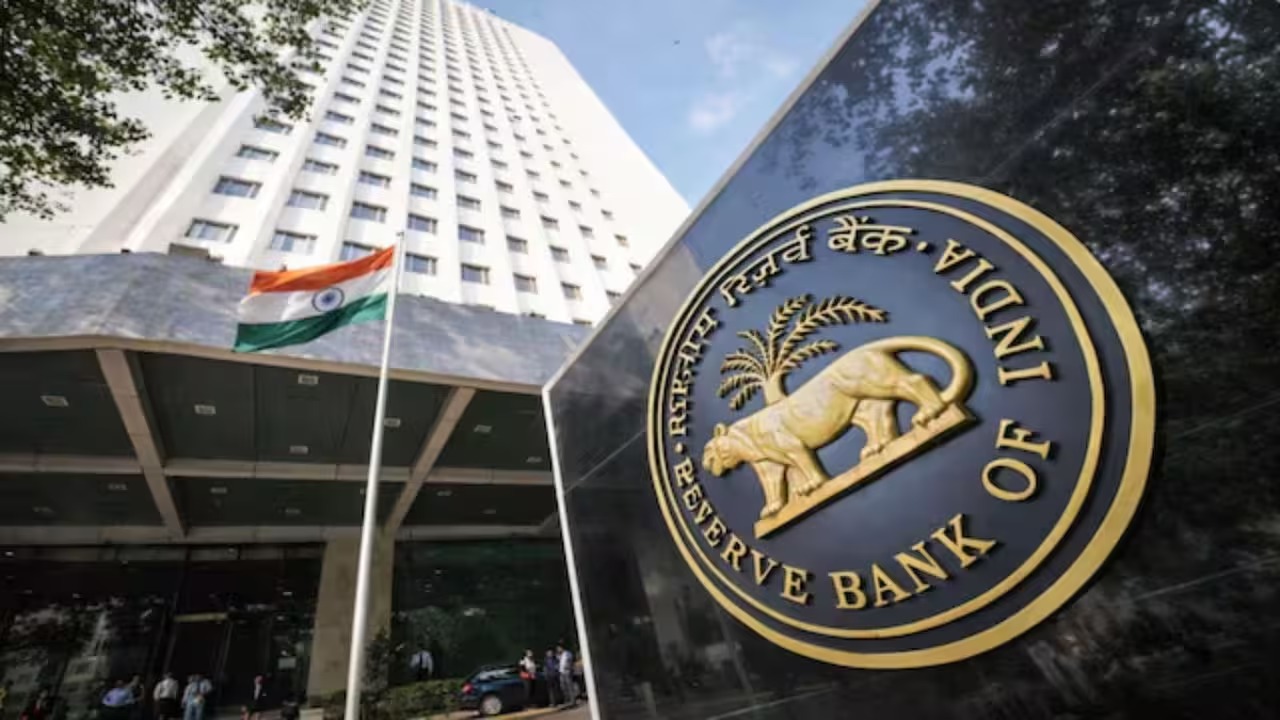
The RBI allotted ₹467.29 billion in its July 9 overnight Variable Rate Repo auction, slightly below the ₹500 billion notified amount. The auction, conducted at a weighted average rate of 5.26%, serves as a fine-tuning tool to keep short-term interest rates anchored to the central bank's policy target.
The Reserve Bank of India continues its liquidity fine-tuning strategy, allotting ₹467.29 billion in the latest variable rate repo auction.
MUMBAI — The Reserve Bank of India (RBI) conducted an overnight Variable Rate Repo (VRR) auction on July 9, 2026, receiving bids totaling ₹467.29 billion. While the central bank had notified an auction amount of ₹500 billion, the final allotment matched the total bids received, reflecting current demand levels within the banking system.
The auction was conducted under the Liquidity Adjustment Facility (LAF) framework, a tool the central bank regularly employs to manage short-term liquidity and keep the Weighted Average Call Rate (WACR) aligned with its policy objectives.
Auction Results and Interest Rates
According to the official results released by the central bank, the RBI accepted all bids submitted by market participants. The auction saw a cut-off rate and a weighted average rate of 5.26%. This marginal premium over the standing repo rate—currently held at 5.25%—indicates the market's immediate cost of short-term capital.
The overnight VRR mechanism is designed to provide banks with a flexible window to meet temporary funding requirements. Unlike fixed-rate repos where the central bank dictates the interest rate, the variable rate format allows the market to discover the cost of funds through competitive bidding.
Contextualizing Liquidity Management
This operation follows a series of liquidity management moves by the Reserve Bank of India throughout the first quarter of the 2026-27 fiscal year. With systemic liquidity remaining in a state of surplus, the RBI has been selectively using VRR auctions to "mop up" or inject liquidity as needed to maintain stability in the interbank money market.
Market analysts observe that the RBI's reliance on these fine-tuning operations—rather than major structural changes—demonstrates its "liquidity housekeeping" approach. By keeping the overnight rates closely anchored to the policy repo rate, the central bank ensures that lending rates for consumers and businesses remain stable despite transient shifts in banking system liquidity.
Official Sources
According to data released by the Reserve Bank of India (RBI), the auction was executed in accordance with the operational guidelines for the Liquidity Adjustment Facility. The central bank stated that its decisions regarding these auctions are based on a "review of current and evolving liquidity conditions."
Why It Matters
For the financial system, these auctions are vital for "plumbing." When overnight money market rates—such as the call rate or the tri-party repo rate—drift away from the RBI’s policy target of 5.25%, the central bank uses these auctions to pull rates back in line. This stability is critical because it prevents sudden, sharp changes in borrowing costs for commercial banks, which in turn helps lenders maintain steady interest rates for retail borrowers, including those with home, auto, and personal loans.
Key Facts at a Glance
Notified Amount: ₹500 billion.
Bids Received/Allotted: ₹467.29 billion.
Cut-off/Weighted Average Rate: 5.26%.
Auction Type: Overnight Variable Rate Repo (VRR).
Objective: Short-term liquidity management under LAF.
FAQ
What does a 5.26% cut-off rate mean?
It is the interest rate at which the RBI provided funds to banks during this auction. It serves as a market-discovered rate, slightly higher than the fixed standing repo rate of 5.25%.
Why did the RBI receive fewer bids than the notified amount?
The ₹467.29 billion bid volume against a ₹500 billion notification suggests that the overall banking system currently possesses sufficient liquidity, and banks did not feel a pressing need to borrow the full offered amount.
Is this a change in monetary policy?
No. This is a routine liquidity management operation under the Liquidity Adjustment Facility (LAF), distinct from the Monetary Policy Committee's (MPC) decisions on the benchmark repo rate.
Source: Reserve Bank of India (RBI)