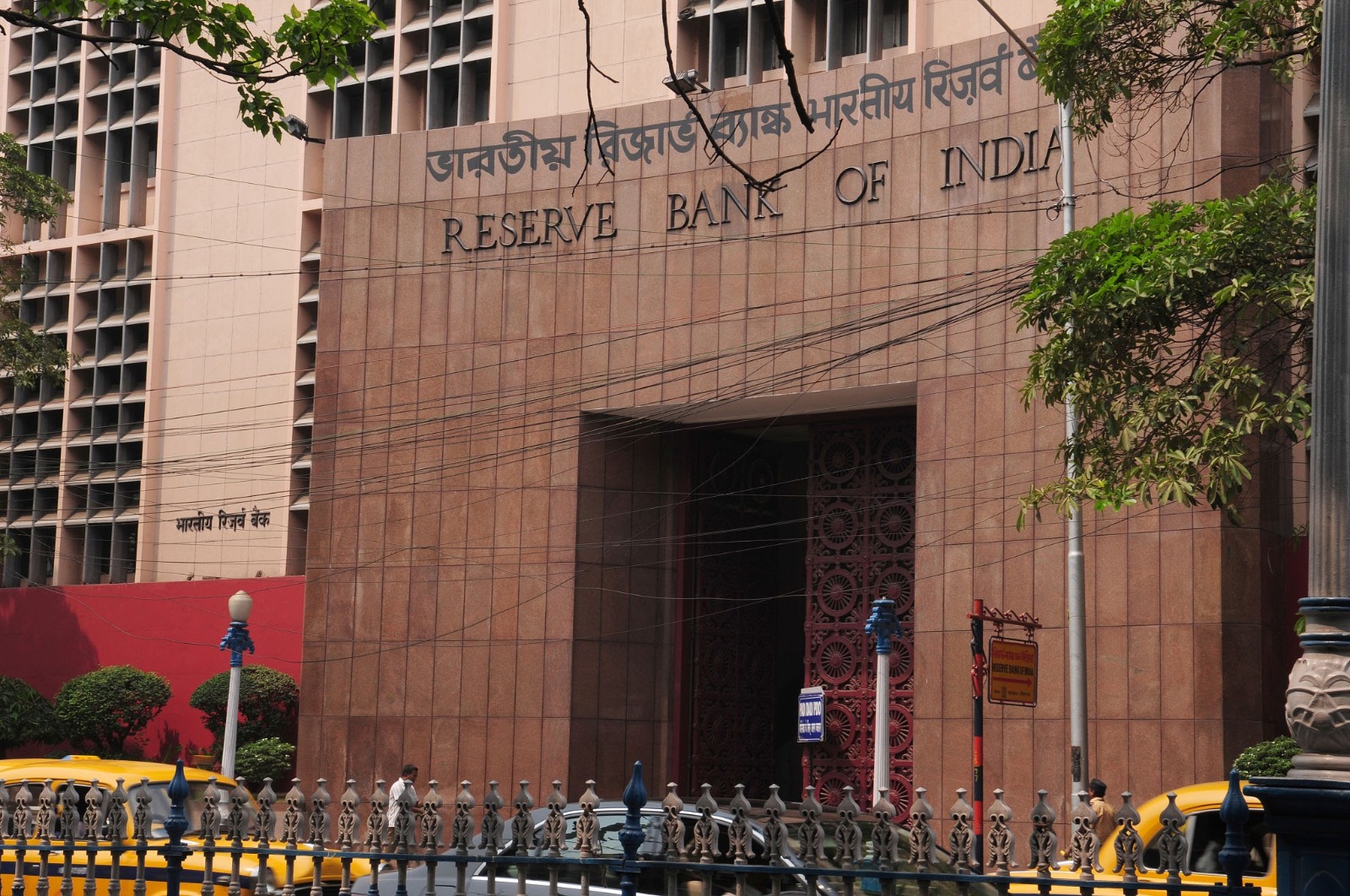
The Reserve Bank of India has invited public comments on a comprehensive draft framework for the harmonisation and consolidation of instructions on control and assurance functions. This regulatory consolidation simplifies old risk management, internal audit, and compliance guidelines to improve corporate governance and reduce administrative redundancies across India's banking sector.
MUMBAI, June 10, 2026 — The Reserve Bank of India (RBI) announced on Wednesday that it is seeking public feedback on a comprehensive draft framework aimed at the harmonisation and consolidation of instructions on control and assurance functions. The initiative represents a significant regulatory overhaul by the central bank to systematically unify existing guidelines governing internal audits, risk management, and compliance across all regulated entities. By seeking inputs from commercial banks, financial institutions, and industry stakeholders, the RBI aims to strengthen corporate governance and remove redundancies within domestic financial systems.
Central Bank Moves to Unify Banking Supervision Architecture
The Reserve Bank of India issued a formal draft paper outlining its vision for the harmonisation and consolidation of instructions on control and assurance functions. This consolidated framework covers three critical operational pillaring components within financial institutions: compliance departments, internal audit teams, and risk management systems.
Over the past decade, the central bank has issued a fragmented array of circulars, master directions, and localized advisories addressing risk control systems. According to the banking regulator, this accumulation of standalone instructions has led to overlapping compliance obligations, inconsistent interpretation across different financial tiers, and structural bottlenecks within the internal review pipelines of regulated entities.
The draft proposal seeks to establish a singular, baseline standard for risk assurance. Under the proposed norms, scheduled commercial banks, non-banking financial companies (NBFCs), and cooperative credit institutions will operate under an identical regulatory lexicon. This structural alignment ensures that risk reporting structures match institutional scale, forcing boards of directors to take greater accountability for systemic operational flaws.
Enhancing Operational Resilience for Financial Institutions
The proposed regulatory realignment addresses growing complexities across India's digital banking landscape. According to the central bank's communication, the draft rules place specialized focus on upgrading internal control systems to combat emerging tech-driven risks, automated lending liabilities, and cybersecurity vulnerabilities.
Key operational changes introduced in the consolidation guidelines include:
Independence of Functions: Establishing clearer boundaries to ensure that internal audit, compliance, and risk offices remain structurally distinct from commercial business generation units.
Direct Board Access: Standardizing direct reporting channels from chief compliance officers and internal audit heads to the board-level Audit Committee and Risk Management Committee.
Proportional Oversight: Introducing a tiered enforcement structure where control mechanisms scale dynamically based on the balance sheet size and asset complexity of the financial institution.
The market regulator has opened a designated window for public feedback, allowing commercial banks, financial analysts, legal bodies, and accounting firms to submit their structured observations. This collaborative feedback cycle ensures the final guidelines balance risk management with operational flexibility.
Official Sources Section
The institutional mandates, supervisory guidelines, and consultation timelines regarding this regulatory consolidation were validated through official draft circulars, press communiqués, and policy frameworks published on the digital portals of the Reserve Bank of India.
Quote Section
"According to officials familiar with the supervisory development, the draft paper represents an essential milestone in modernizing the domestic banking oversight framework. Organizers stated that the feedback received from the ongoing consultation process will directly shape the final master directions scheduled for rollout later this fiscal year."
Why It Matters
For corporate businesses, retail investors, and banking consumers, the harmonisation and consolidation of instructions on control and assurance functions will lead to a more resilient and transparent financial ecosystem. By eliminating ambiguous regulatory overlaps, commercial banks can reduce their administrative compliance burdens, translating to accelerated corporate loan processing times and lower operational overheads.
Furthermore, improved risk assurance frameworks significantly minimize the probability of sudden credit defaults, institutional governance failures, and operational lapses. For daily depositors and retail consumers, these unified guardrails ensure that public capital remains insulated from hidden systemic risks within India's expanding financial network.
Key Facts at a Glance
Regulator Initiative: RBI initiates the public consultation process for streamlining risk supervision.
Primary Scope: Harmonisation and consolidation of instructions on control and assurance functions.
Target Departments: Internal Audit, Compliance, and Risk Management frameworks.
Regulated Entities Impacted: Commercial Banks, NBFCs, and urban cooperative institutions nationwide.
Feedback Mechanism: The central bank has opened an interactive digital channel to collect technical recommendations from industry stakeholders before drafting final guidelines.
FAQ Section
What is the core objective of the RBI’s new draft framework?
The primary goal is the harmonisation and consolidation of instructions on control and assurance functions. The RBI aims to simplify and unify older, fragmented compliance circulars into a single framework to improve internal audits, compliance oversight, and risk management across all Indian financial institutions.
Which financial institutions must comply with these new consolidated guidelines?
Once finalized, the master directions will apply uniformly to all regulated entities under the central bank's purview, including scheduled commercial banks, public and private sectors lenders, non-banking financial companies (NBFCs), and primary cooperative banks.
How can industry stakeholders submit their feedback on the draft rules?
Commercial banks, financial specialists, and the public can submit structured comments, actionable suggestions, and technical modifications through the designated email and postal interfaces provided on the official RBI website within the stipulated consultative timeline.
What specific operational benefits does this consolidation offer to the banking industry?
The framework removes conflicting rules, reduces redundant compliance tasks, and improves reporting paths to bank boards. This structured oversight helps financial institutions detect internal operational flaws, data breaches, and credit risks early.
Source: Official press notifications, supervisory updates, and public policy draft archives disseminated by the Reserve Bank of India at its central office in Mumbai, India.