




Loading market data...
ADVERTISEMENT

Latest Top News
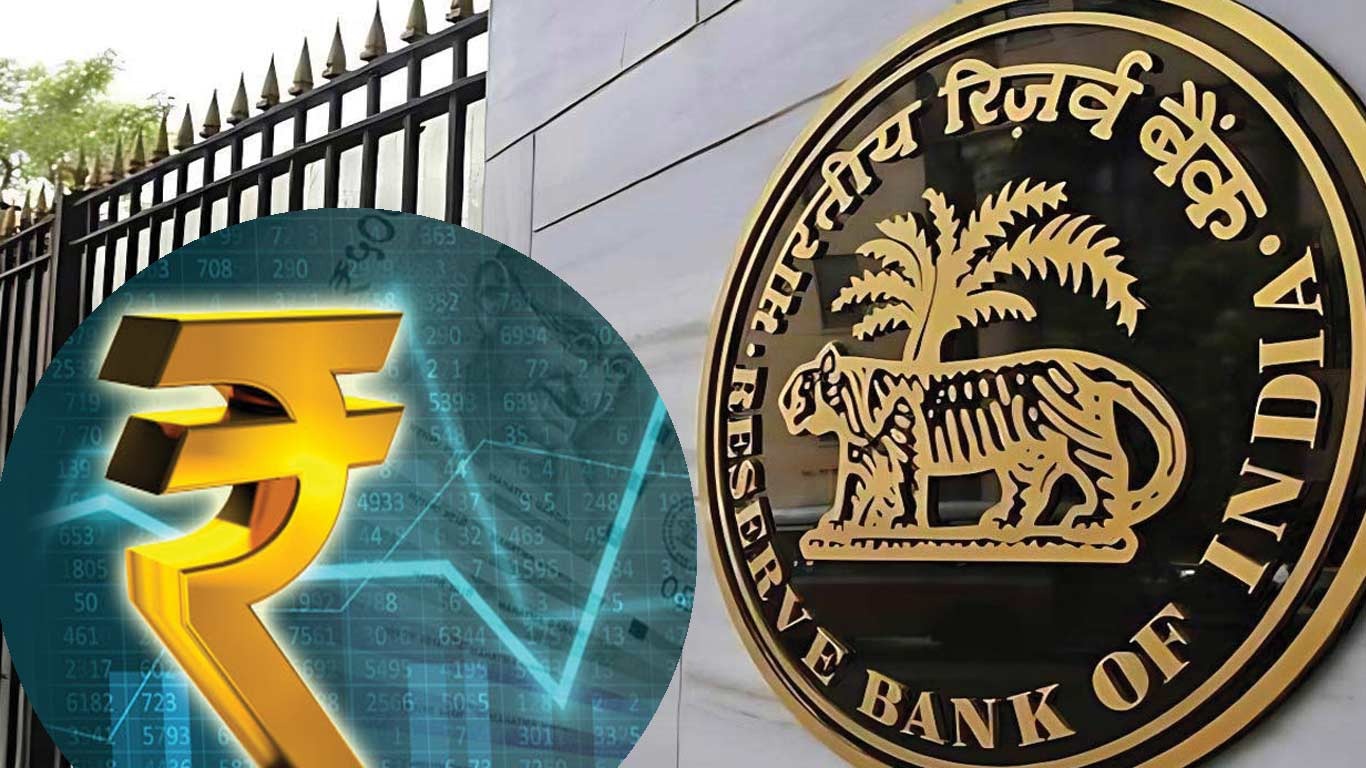
RBI’s New Rule Curbs Speculation, Boosts Rupee Performance
The Reserve Bank of India’s new currency regulation, restricting banks’ exposure to risky forex derivatives, triggered a sharp rally in the rupee. The move curbed speculation, stabilized volatility, and boosted investor confidence, leading to the rupee’s strongest single-day gain in more than a decade.
Stay Ahead – Explore Now! Prism Secures ₹885 Crore Tax Relief Ahead of Planned IPO
ADVERTISEMENT

Latest Updates

Jharkhand Secures GI Tags for Bhagaiya Silk and Tr...
15 Jun 2026, 02:24 PM
Reel Deal: Mumbai International Film Festival 2026...
15 Jun 2026, 10:07 PM
Nepal Tea Trade: Factories Shut Down Over India’s...
15 Jun 2026, 10:03 PM
Motorola’s Foldable Fold-Off: Which New Razr Fits...
15 Jun 2026, 09:59 PM
Pink Wins: Kareena Kapoor Steals the Show in Banar...
15 Jun 2026, 09:56 PMADVERTISEMENT

Top Stories
Jharkhand Secures GI Tags for Bhagaiya Silk and Tr...
15 Jun 2026, 02:24 PM
Reel Deal: Mumbai International Film Festival 2026...
15 Jun 2026, 10:07 PM
Nepal Tea Trade: Factories Shut Down Over India’s...
15 Jun 2026, 10:03 PM