Reliance Industries plans to enter India's adult beverage market by introducing a dedicated line of low-alcohol drinks. Operating entirely separate from its Campa Cola soft drink brand, the company is aiming to acquire a domestic alcohol manufacturing firm to secure immediate production assets and navigate state-level excise licensing frameworks.
The consumer goods arm of Reliance Industries enters the alcobev sector, targeting a distinct product architecture from its carbonated soft drink brands.
MUMBAI — Reliance Industries Limited (RIL) is planning a major entry into India's rapidly evolving alcoholic beverage sector through its fast-moving consumer goods (FMCG) arm. According to institutional retail transition briefs, the conglomerate plans to introduce a dedicated portfolio of low-alcohol drinks across domestic markets.
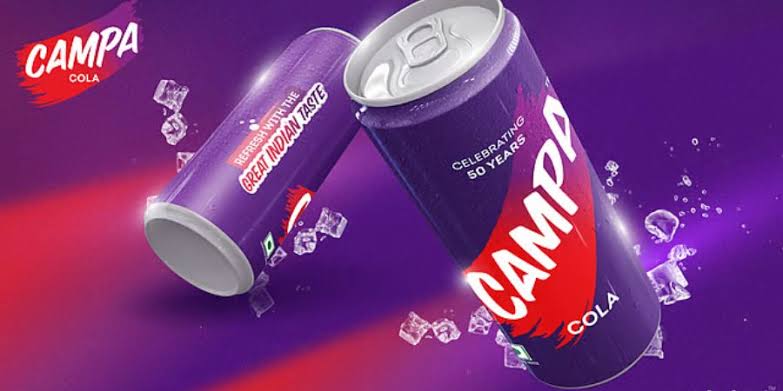
The strategic expansion will operate under a distinct product architecture separate from its flagship carbonated soft drink brand, Campa Cola. To accelerate its entry into this highly regulated market, Reliance is actively aiming to acquire an established domestic alcohol manufacturing firm, marking a profound shift in its fast-growing consumer product playbook.
Strategic Separation From the Carbonated Beverage Arms
According to internal operational parameters reviewed by sector analysts, the low-alcohol drinks division will be insulated from Reliance Consumer Products Limited’s (RCPL) mainstream soft drink channels. The move ensures that the family-centric market identity established by Campa Cola—which recently crossed ₹4,700 crore in gross sales—remains completely unaffected by the group's foray into adult beverages.
Instead of leveraging existing soft drink bottling plants, Reliance plans to establish a completely parallel manufacturing and distribution ecosystem. The low-alcohol portfolio is expected to focus primarily on Ready-to-Drink (RTD) cocktails, flavored malt beverages, and hard seltzers with an Alcohol By Volume (ABV) metric resting below 8%. This targeted product placement directly captures the growing "sober-curious" demographic and younger consumers looking for taste-forward options centered on conscious moderation.
Targeting a Strategic Alcohol Manufacturing Acquisition
To resolve immediate legal hurdles and bypass structural entry barriers across state lines, Reliance is executing an inorganic expansion strategy. Corporate advisory details indicate that the company is actively evaluation several mid-sized domestic alcohol manufacturing firms and independent craft breweries for a full corporate acquisition.
By acquiring an established manufacturing firm, Reliance gains immediate access to complex state-specific liquor manufacturing licenses, existing distillery infrastructure, and structured raw material supply networks. It also provides the group with an active research floor to develop localized flavor profiles, such as fruit-forward infusions and spice-blended formulations tailored to diverse urban consumer preferences.
Navigating India's Evolving Alcobev Regulations
For institutional investors, market analysts, and retail groups, Reliance’s entry into the liquor space represents a calculated move into a high-margin, asset-intensive consumer vertical. However, the expansion will require navigating India's highly fragmented legislative landscape, where alcohol distribution, taxation, and retail licensing are independently governed by individual State Excise Departments.
To fully comply with statutory mandates, Reliance’s upcoming low-alcohol products will be restricted from standard grocery store shelves in numerous states. Instead, distribution will flow through licensed standalone liquor vends, premium alcobev boutiques, and authorized hospitality channels. This logistical isolation safeguards the company’s mainstream FMCG distribution web, which serves millions of general trade mom-and-pop (kirana) stores nationwide.
Official Sources Section
The corporate development strategies, structural segmentations, and product portfolio parameters detailed in this report follow operational briefings compiled via Reliance Industries Limited’s corporate strategy desks. Market growth trends, sector performance indicators, and financial revenue benchmarks are mapped in accordance with consolidated consumer datasets monitored by the Securities and Exchange Board of India (SEBI) and industrial performance logs managed by the Ministry of Consumer Affairs, Food and Public Distribution.
Quote Section
"According to officials familiar with the development, the upcoming low-alcohol line will maintain an entirely separate commercial identity from the core soft drink ecosystem, ensuring that retail operations comply fully with individual state excise frameworks while tapping into premium consumer segments."
Why It Matters
The entry of a major player like Reliance into the low-alcohol segment is poised to disrupt India's premium beverage landscape. For agricultural suppliers and flavor houses, it opens up predictable, high-volume demand for local ingredients. For modern consumers, it introduces standardized, high-quality choices into the expanding ready-to-drink space. Furthermore, the reliance on a dedicated manufacturing acquisition ensures the group can scale production smoothly without stretching the supply chains of its everyday food and grocery businesses.
Key Facts at a Glance
New Vertical: Reliance plans to introduce a specialized portfolio of low-alcohol beverages across India.
Brand Isolation: The adult beverage line will maintain a completely separate identity from the Campa Cola brand.
M&A Target: The conglomerate is actively looking to acquire a domestic alcohol manufacturing firm to secure immediate infrastructure and licensing.
Product Focus: Initial product pipelines will prioritize low-ABV ready-to-drink cocktails and flavored malt blends.
Compliance Framework: Distribution will operate strictly through authorized excise channels, independent of traditional grocery retail networks.
FAQ Section
Q1: Is Reliance launching alcoholic variants under the Campa Cola brand name? A1: No. Reliance plans to maintain a strict separation between its family-focused carbonated soft drinks like Campa Cola and its upcoming low-alcohol portfolio, utilizing entirely different brand identities.
Q2: Why is Reliance looking to acquire an existing alcohol manufacturing firm? A2: Acquiring an established domestic manufacturer allows Reliance to instantly secure complex state-level liquor licenses, specialized production facilities, and mature supply chains, reducing go-to-market timelines.
Q3: Where will these upcoming low-alcohol drinks be sold to consumers? A3: In accordance with statutory state laws, the low-alcohol products will be distributed exclusively through licensed excise outlets, specialized liquor boutiques, and authorized hospitality venues.
Source: Securities and Exchange Board of India (SEBI), Reliance Corporate Strategy Repository, Ministry of Consumer Affairs