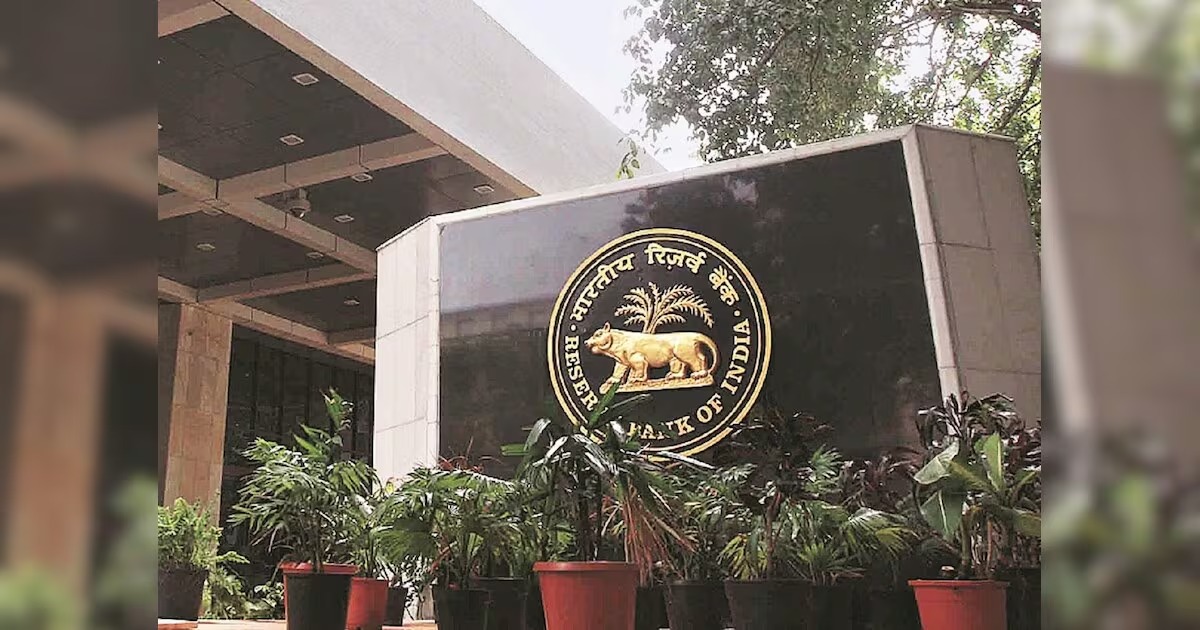
The Reserve Bank of India scheduled a 1.00 trillion rupees overnight Variable Rate Reverse Repo auction under the Liquidity Adjustment Facility to absorb surplus banking system liquidity, stabilize short-term money market rates, and ensure smooth monetary policy transmission on August 17, 2026.
On August 17, 2026, the Reserve Bank of India (RBI) announced that it will conduct a Variable Rate Reverse Repo (VRRR) auction. The central bank aims to absorb 1.00 trillion rupees (₹1,00,000 crore) from the domestic financial system under the Liquidity Adjustment Facility (LAF). This routine monetary policy operation is designed to manage evolving banking system liquidity and align short-term interest rates with the prevailing policy repo rate.
Mechanics of the Liquidity Operation
The central bank utilizes the VRRR framework to pull excess cash out of commercial banks. By inviting competitive bids through the LAF window, the RBI allows market participants to park surplus funds safely.
The operation serves as a vital instrument to prevent short-term money market rates from slipping significantly below the policy corridor floor. Financial institutions participate directly by submitting bids matching their short-term holding capacities, ensuring that excess liquidity does not distort broader credit pricing.
Background and Context
Surplus liquidity in India's banking sector frequently fluctuates due to factors such as government spending cycles, foreign capital inflows, and shifting credit demands.
The RBI routinely monitors these variations to calibrate its liquidity management stance. When structural or transient surpluses emerge, the central bank deploys VRRR auctions of varying tenors—ranging from overnight windows to multi-day term repo arrangements—to sterilize excess cash.
Impact on Financial Markets and Stakeholders
Commercial Banks: Banks with idle capital utilize the auction to earn risk-free returns on surplus funds.
Investors and Borrowers: By maintaining a tight grip on short-term liquidity, the RBI ensures smoother transmission of monetary policy signals through the financial ecosystem.
Money Markets: Call money rates and other short-term debt instruments remain anchored close to the target policy rate, avoiding excessive volatility.
Official Sources Section
According to official announcements and press releases issued by the Reserve Bank of India, the central bank executes these operations pursuant to its standing operational guidelines for the Liquidity Adjustment Facility framework. Regulatory filings indicate that regular reviews of current and evolving liquidity conditions dictate the notified amounts and tenors of these interventions.
"Organizers stated that operations under the Liquidity Adjustment Facility are conducted dynamically to align short-term liquidity with the monetary policy stance."
Why It Matters
For businesses, investors, and consumers, central bank liquidity operations have indirect yet meaningful implications. Effective absorption of excess funds prevents asset price bubbles in short-term debt markets and supports overall macroeconomic stability. By curbing excessive money supply fluctuations, the central bank maintains orderly conditions that help anchor consumer inflation expectations.
Key Facts at a Glance
Event: Variable Rate Reverse Repo (VRRR) Auction under LAF
Notified Amount: 1.00 Trillion Rupees (₹1,00,000 Crore)
Executing Authority: Reserve Bank of India (RBI)
Objective: Absorption of surplus liquidity and short-term rate stabilization
FAQ Section
What is a Variable Rate Reverse Repo (VRRR) auction?
A VRRR auction is a monetary policy tool used by the RBI to absorb surplus liquidity from commercial banks. Unlike fixed-rate instruments, the interest rate on a VRRR is determined competitively through market bidding.
Why does the RBI conduct VRRR auctions?
The central bank conducts these auctions when the banking system experiences excess liquidity, helping pull out cash to prevent short-term rates from falling below target policy thresholds.
How do commercial banks participate?
Eligible financial institutions submit bids for the notified amount during the specified operational window, offering to park their surplus funds with the central bank for a designated tenor.
Does this impact retail loan interest rates?
While VRRR operations primarily target short-term wholesale money markets and liquidity management, they indirectly support the broader transmission of monetary policy set by the central bank.
Source: Reserve Bank of India (RBI)