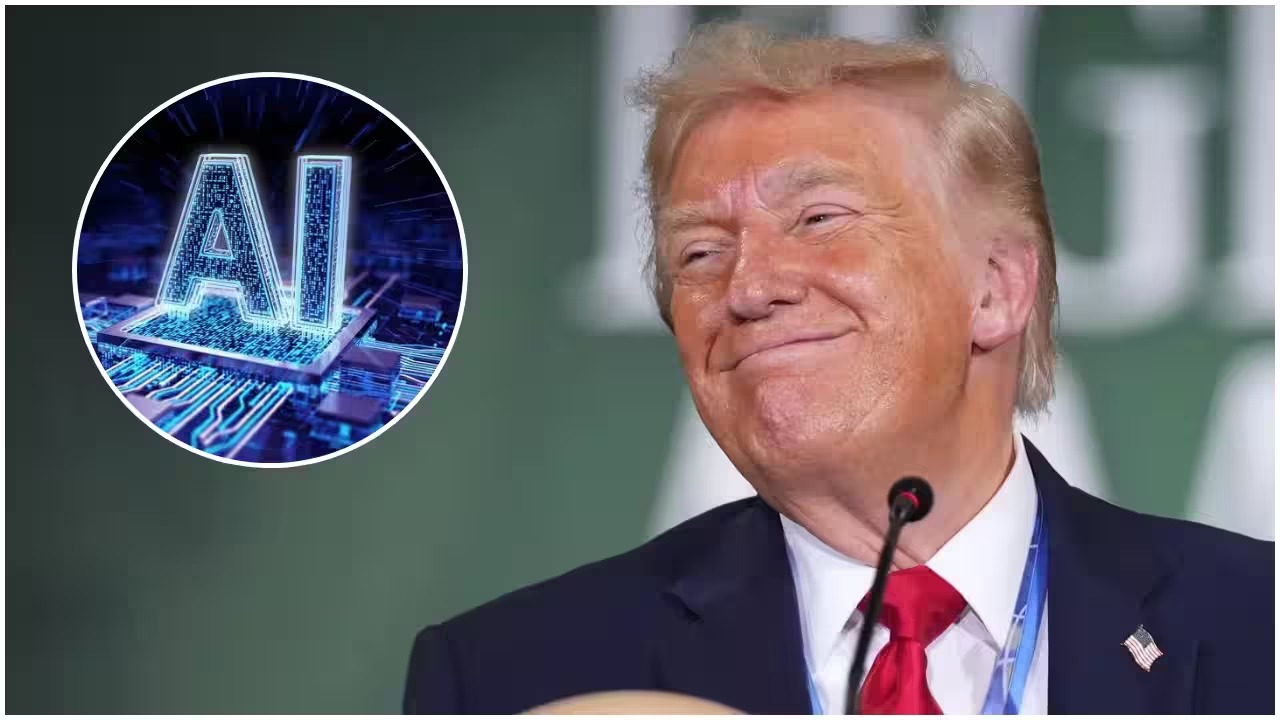
US President Donald Trump has rejected industry calls to slow down artificial intelligence development, insisting that maintaining America's technological edge over China remains vital. Speaking during a weekend trip to Ireland, Trump declared that "whoever wins AI wins," prioritizing national security dominance over regulatory expansion.
Rejecting Industry Restrictions in the Global AI Race
US President Donald Trump has pushed back against growing pressure from technology executives and safety advocates to moderate the pace of artificial intelligence deployment. Speaking to reporters during a visit to his resort in Doonbeg, Ireland, on September 13, 2026, Trump insisted that the United States must aggressively protect its technological advantage over Beijing.
When questioned about potential regulatory frameworks or sector slowdowns, Trump dismissed warnings regarding existential risks, attributing them to exaggerated narratives. Asserting that Washington currently leads Beijing in technological sophistication, the US president emphasized that strategic dominance in this sector dictates long-term geopolitical supremacy. "We can put guardrails, we can do this and that, but I think you have a lot of negative forces that are bringing it up that shouldn't be bringing it up... whoever wins with AI wins," Trump stated.
Geopolitical Context and Safety Debates
The presidential remarks arrive amid an intense domestic and international debate concerning frontier artificial intelligence models. Prominent industry figures, including Anthropic chief executive Dario Amodei and OpenAI leader Sam Altman, recently published proposals urging frontier laboratories to voluntarily moderate development speeds to allow safety evaluations to keep pace. However, the administration and key congressional leaders have argued that halting domestic momentum would hand an unearned strategic advantage to foreign competitors.
Discussions regarding technological boundaries also precede upcoming bilateral meetings between Washington and Beijing. Administration officials maintain that while baseline protocols are necessary to prevent misuse, ensuring that American enterprises outpace international rivals remains paramount to national security.
Official Sources Section
According to official statements, press briefings, and interviews released by the White House Office of the Press Secretary and public remarks made during presidential travels, executive priorities focus squarely on preserving international technological leadership.
"According to officials, maintaining superiority in advanced computing infrastructure is critical to safeguarding national interests and securing global economic competitiveness against state competitors."
Why It Matters
The friction between artificial intelligence safety advocacy and rapid deployment highlights a core dilemma for modern economies. Prioritizing speed over strict precautionary controls impacts everything from domestic energy grids and data center expansion to global defense capabilities, determining which superpower dictates international standards for emerging digital technologies.
Key Facts at a Glance
Strategic Priority: President Trump asserted that the United States leads Beijing in artificial intelligence and must maintain that advantage.
Rejection of Slowdowns: The administration dismissed calls from tech executives to decelerate frontier model development.
Core Philosophy: Trump emphasized the definitive geopolitical stakes of the sector, declaring that "whoever wins AI wins".
Bilateral Context: The statements emerge ahead of high-level diplomatic engagements scheduled between Washington and Beijing.
Frequently Asked Questions
What was President Trump's stance on slowing down artificial intelligence development?
President Trump rejected calls to slow down AI innovation, arguing that the United States must maintain its technological lead over China.
How did the administration characterize the global AI race?
The administration framed artificial intelligence supremacy as a critical national security imperative, stating that "whoever wins AI wins" global dominance.
What prompted the recent debate over AI development speeds?
Discussions intensified following safety proposals issued by tech executives and researchers urging a temporary pause in frontier capability scaling.
Where can citizens review official executive policy updates on emerging technologies?
Official administrative policies, executive orders, and briefing transcripts are published regularly through the portal of the White House Office of the Press Secretary.
Source: The White House, Associated Press (AP), Financial Times