Russian President Vladimir Putin recently emphasized Russia's strong relations with several key global players, notably China, India, and Indonesia, underscoring the importance of these partnerships in shaping a multipolar world order. Highlighting Russia's collaborative stance, Putin poi...
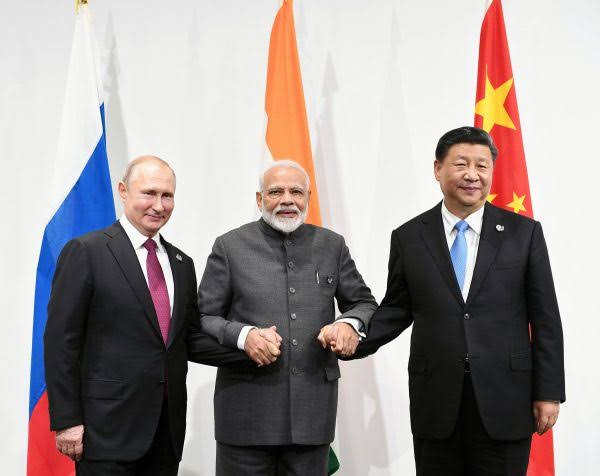
Russian President Vladimir Putin recently emphasized Russia's strong relations with several key global players, notably China, India, and Indonesia, underscoring the importance of these partnerships in shaping a multipolar world order. Highlighting Russia's collaborative stance, Putin pointed to the many mutual interests shared especially with China, reinforcing the strategic bond between the two nations.
Key Highlights:
Putin described Russia's relations with China, India, and Indonesia as good and evolving positively.
He underlined the comprehensive cooperation and common goals Russia shares with China, marking their partnership as exemplary.
Russia views India and Indonesia as important partners who contribute to global balance, resisting domination by any single power.
The remarks came amidst ongoing economic tensions with the West, particularly sanctions and tariffs affecting trade relations.
Putin conveyed confidence that geopolitical tensions would eventually ease, allowing for normalization of political dialogue.
Russia’s Multipolar World Vision
Putin's statements reinforce Russia’s stance favoring a multipolar global order where no single country dominates. He stressed the importance of equal rights for all nations in this evolving system. This view responds critically to Western sanctions, particularly those imposed by the US, which have complicated Moscow's economic ties with countries like India and China. Putin warned that coercive economic pressure tactics from the West could backfire, particularly against large nations with strong domestic political systems such as India and China.
Deepening Russia-China Cooperation
The Russia-China partnership remains at an "unprecedentedly high level," according to Putin, further reflected in recent high-level meetings between Putin and Chinese President Xi Jinping. The two leaders effectively coordinate on strategic, economic, and diplomatic fronts to counterbalance Western influence. Joint efforts include significant energy agreements, increased trade cooperation, and ongoing alignment on core political interests. China’s commitment to supporting Russia’s development and vice versa strengthens their bilateral ties, promoting "mutually beneficial cooperation" and advancing flagship projects.
Strengthening Ties with India and Indonesia
Russia continues to prioritize its partnership with India, described by Putin and Indian Prime Minister Narendra Modi as "special" and "privileged." Their cooperation spans decades, encompassing regional security, trade, and energy collaboration. Despite US-imposed tariffs on Indian imports linked to oil purchases from Russia, both countries reaffirm their mutual trust and partnership at recent summits. Indonesia is also identified as a key regional partner contributing to a multipolar balance, reflecting Russia’s broader engagement in Asia.
Geopolitical Context and Outlook
The announcements coincide with ongoing global geopolitical tensions, including the Ukraine conflict and fluctuating US relations with Asian powers. Putin has maintained that economic sanctions will not succeed in isolating Russia or its partners. While recognizing challenges, he expressed optimism about future diplomacy and normalization of political relationships. These comments come alongside moves by Russia to develop strategic resources like rare earth metals, aiming to consolidate its economic resilience.
Conclusion
President Putin's recent remarks vividly illustrate Russia’s strategic map in global diplomacy, highlighting strong, cooperative ties with China, India, and Indonesia. By reinforcing these partnerships against Western economic pressures, Russia strives to shape a stable multipolar world order based on equality and mutual benefit. The Russia-China relationship, in particular, remains a cornerstone of this vision, supported by China’s active engagement and shared development goals.
Source: Reuters