




Loading market data...
ADVERTISEMENT

Latest Top News
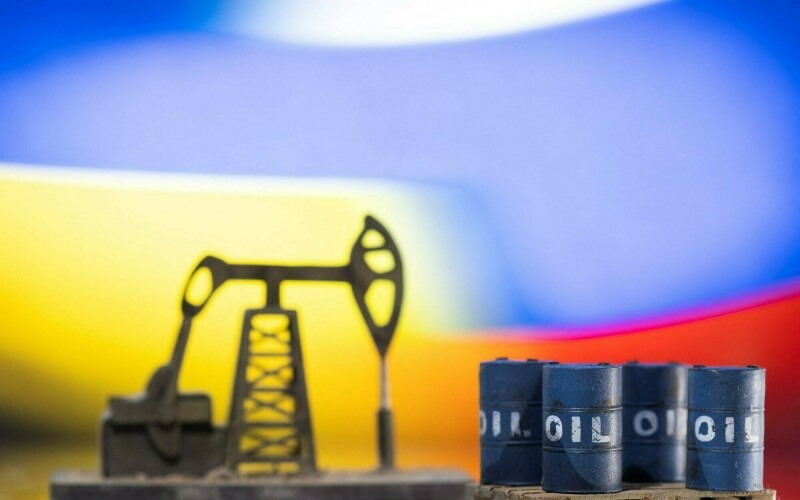
Russia’s Western Oil Exports Revised Down To 1.7 Million Bpd In March
Russia’s western oil exports are projected to fall to 1.7 million barrels per day (bpd) in March 2026, down from preliminary plans of 1.8 million bpd. Industry sources and shipping data suggest logistical challenges, sanctions pressure, and seasonal conditions are driving the decline.
Stay Ahead – Explore Now! GIFT Nifty Surges to 23,520; Signals Strong Opening for Indian Equities
ADVERTISEMENT

Latest Updates

Track to Uttarakhand: Namo Bharat Expansion Nears...
15 Jun 2026, 10:18 PM
From Silt to Sustainability: BMC Starts Rejuvenati...
15 Jun 2026, 02:01 PM
Jharkhand Secures GI Tags for Bhagaiya Silk and Tr...
15 Jun 2026, 02:24 PM
Reel Deal: Mumbai International Film Festival 2026...
15 Jun 2026, 10:07 PM
Nepal Tea Trade: Factories Shut Down Over India’s...
15 Jun 2026, 10:03 PMADVERTISEMENT

Top Stories
Track to Uttarakhand: Namo Bharat Expansion Nears...
15 Jun 2026, 10:18 PM
From Silt to Sustainability: BMC Starts Rejuvenati...
15 Jun 2026, 02:01 PM
Jharkhand Secures GI Tags for Bhagaiya Silk and Tr...
15 Jun 2026, 02:24 PM