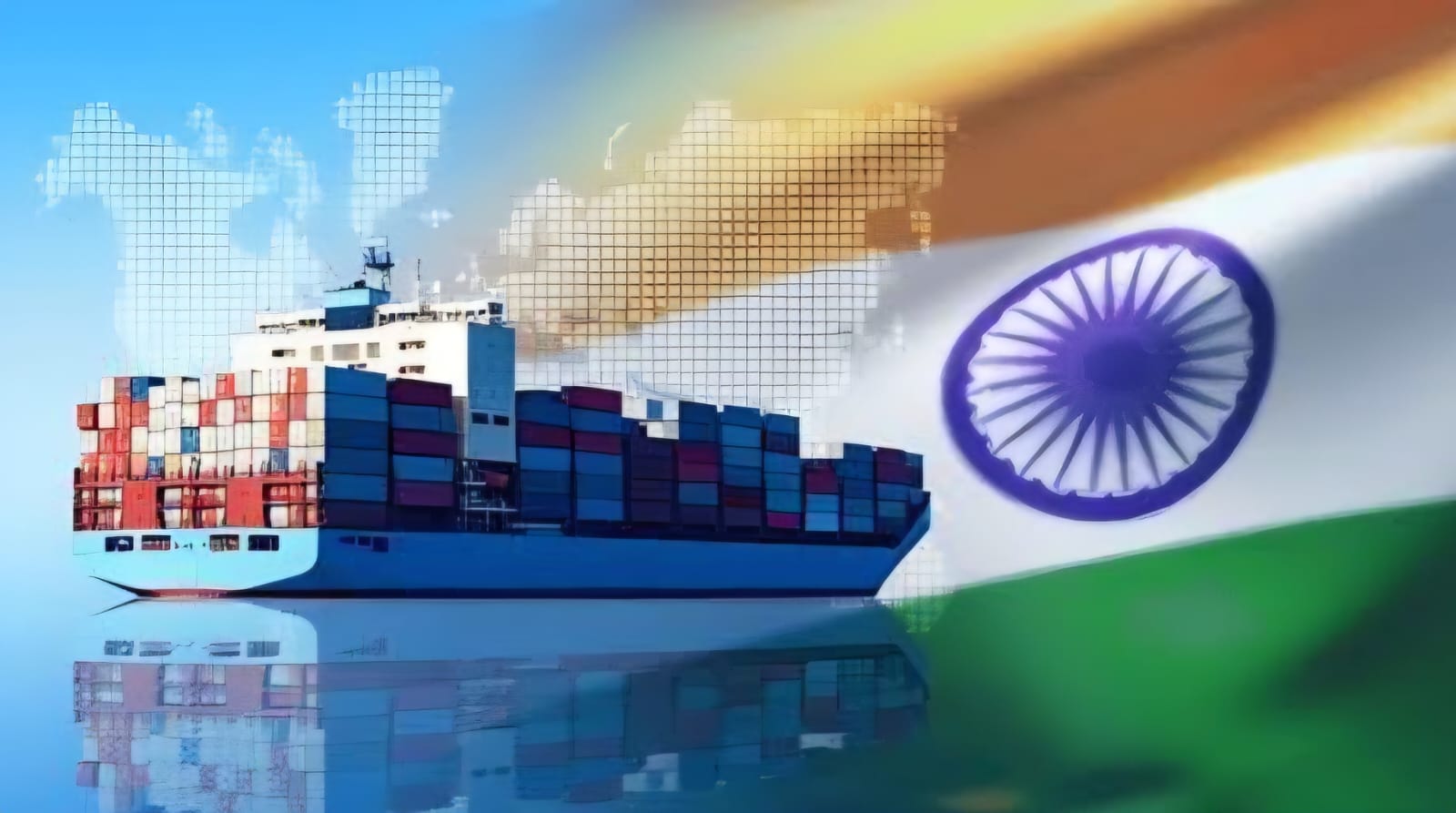
India has announced plans to add 100 flagged merchant vessels over the next five years to reduce its $75 billion annual foreign freight bill. Unveiled by Shipping Minister Sarbananda Sonowal at the Sagar Samvad, the policy addresses a 16-20% domestic operating cost gap through tax, regulatory, and financing reforms.
NEW DELHI — Union Minister for Ports, Shipping, and Waterways Sarbananda Sonowal announced on Tuesday, August 25, 2026, that India plans to add 100 flagged merchant vessels over the next five years. The initiative aims to expand domestic maritime capacity, significantly cut foreign exchange outflows, and reduce the nation's reliance on foreign shipping lines for essential imports.
Speaking at the inaugural 'Sagar Samvad' conference organized by the National Shipping Board (NSB) in New Delhi, Sonowal outlined the policy framework designed to align with Maritime India Vision 2030 and Maritime Amrit Kaal Vision 2047. The Ministry of Ports, Shipping, and Waterways emphasized that building domestic tonnage is critical to retaining freight revenues within the country's financial system.
Foreign Freight Costs and Economic Vulnerability
According to statements by Union Minister of State for Ports, Shipping, and Waterways Shantanu Thakur, India spends nearly $75 billion annually in foreign exchange to pay overseas shipping lines for cargo transport. The vast majority of India's bulk imports—including crude oil, natural gas, coal, and agricultural fertilizers such as urea—are currently moved on foreign-flagged vessels, creating structural exposure to external freight rate volatility and supply chain disruptions.
Official maritime data indicates that India's registered fleet stands at approximately 1,600 seagoing vessels. While total gross tonnage crossed 14.2 million in early 2026, domestic vessels carry less than 10 percent of India's total international trade by volume, forcing the country to export substantial foreign currency reserves to fulfill basic freight requirements.
Bridging the 16-20% Cost Gap for Indian Shipowners
During the National Shipping Board sessions, industry representatives highlighted a persistent structural disadvantage facing domestic operators: running a vessel under the Indian flag is currently 16 to 20 percent more expensive than operating under foreign flags of convenience.
Panellists attributed this cost differential to several domestic factors, including:
Import taxes levied on commercial ships and maintenance services.
Tax deductions on seafarer wages and domestic freight revenues.
High interest rates on local capital relative to global maritime financing standards.
To resolve these barriers, the NSB presented a five-pillar action plan focused on fiscal reforms, assured cargo allocation for domestic flag carriers, access to low-cost competitive financing, regulatory streamlining, and improved ease of doing business.
Official Sources Section
Policy directives, fleet statistics, and economic data were verified through official government channels:
Statement from Shipping Officials
"According to officials and maritime representatives at the National Shipping Board, expanding the Indian-flagged merchant fleet by 100 vessels within five years is essential for reducing the $75 billion annual foreign freight bill and ensuring long-term national trade security."
Why It Matters
Expanding India's flagged fleet retains billions of dollars in foreign exchange within the domestic economy, protecting national trade routes from geopolitical shocks and global shipping cartels. For domestic businesses and exporters, a larger national fleet ensures stable freight pricing, while the growth in vessel registry drives job creation for Indian seafarers and shipbuilding yards.
Key Facts at a Glance
Five-Year Target: India plans to register 100 new flagged merchant vessels over the next five years.
Financial Impact: The initiative targets a reduction in India's annual $75 billion foreign freight expenditure.
Cost Disadvantage: Operating under the Indian flag is currently 16% to 20% more expensive than under foreign flags.
Policy Roadmap: The National Shipping Board proposed a five-pillar reform plan addressing taxation, financing, and regulatory rules.
Fleet Baseline: India currently operates approximately 1,600 registered seagoing ships across domestic and foreign routes.
Frequently Asked Questions
Why is India focusing on adding 100 more flagged vessels?
The Indian government aims to reduce its dependency on foreign shipping lines, retain freight earnings within the domestic economy, and lower its $75 billion annual foreign exchange payout.
What commodities are primarily transported by foreign shipping lines?
Key bulk commodities include crude oil, natural gas (LNG), coal, and agricultural inputs such as urea.
Why do Indian shipowners face higher operating costs?
Indian-flagged ships incur 16% to 20% higher costs due to taxes on ship imports, taxation on seafarers' wages, higher domestic borrowing rates, and regulatory compliance expenses compared to foreign flags.
What is the Sagar Samvad initiative?
Sagar Samvad is a policy forum organized by the National Shipping Board to bring together government officials, shipowners, and industry leaders to chart strategies under Maritime India Vision 2030 and Maritime Amrit Kaal Vision 2047.
Source: Ministry of Ports, Shipping and Waterways, National Shipping Board, Ministry of Commerce and Industry