This comprehensive news report explores how modern medical science validates ultra-short, one-minute morning meditation routines as highly effective tools against chronic stress and workplace burnout. Utilizing structural clinical data from the NIH, NCCIH, and Mayo Clinic, the text details the exact neurological mechanisms, neurological shifts, and practical steps required to optimize daily emotional resilience.
WASHINGTON — In an era dominated by chronic workplace fatigue and digital distractions, clinical studies are shifting attention toward ultra-short therapeutic exercises. New data confirms that dedicating just one minute to a structured morning meditation routine significantly alters the body’s physiological response to stress, presenting an accessible tool for professional performance and personal well-being.
The Neural Mechanics of the 60-Second Reset
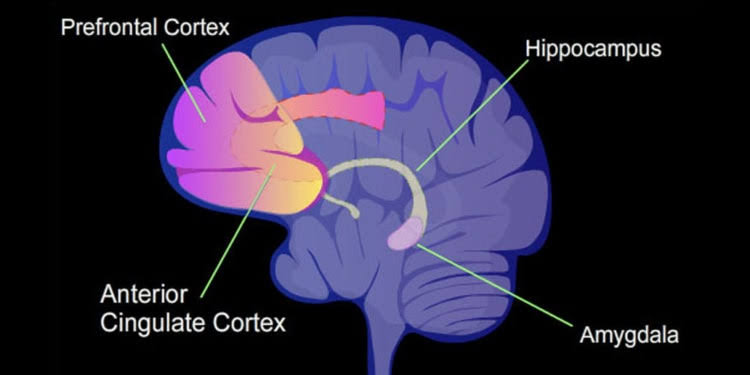
According to neurological research compiled by the National Center for Complementary and Integrative Health (NCCIH), regular mindfulness practices fundamentally alter brain structures involved in emotional regulation. Imaging data reveals that focused deep breathing exercises quickly downregulate activity within the amygdala—the brain’s primary region for processing fear and anxiety—while simultaneously increasing functional connectivity in the prefrontal cortex, which governs executive decision-making.
Clinical trials evaluating Mindfulness-Based Stress Reduction (MBSR) models demonstrate that even brief, minute-long micro-breaks stimulate the parasympathetic nervous system. This activation slows the resting heart rate and curtails the secretion of cortisol, the body's primary stress hormone, effectively mitigating the physiological impacts of chronic daily tension.
Quantifiable Impact on Productivity and Burnout
The practical application of short-duration morning meditation directly influences professional and personal environments. A study tracking medical field professionals published via the National Institutes of Health (NIH) PMC Journal Repository revealed that morning mindfulness interventions correlate with elevated positive affect and diminished mental health exhaustion by the end of standard work shifts.
The data indicates that this preventative cognitive strategy is especially vital following nights of poor sleep quality, acting as a crucial recovery mechanism that restores baseline focus before external stressors accumulate.
Implementation Framework for Daily Routines
Establishing a sustainable micro-mindfulness routine requires systematic execution rather than prolonged duration. Clinical instructors at institutional wellness centers outline a foundational three-step methodology to maximize the efficiency of a 60-second morning practice:
Environmental Alignment: Select a designated, quiet space immediately upon waking. Maintaining physical structural consistency trains the mind to associate the specific location with immediate cognitive deceleration.
Controlled Diaphragmatic Respiration: Engage the diaphragm muscle located between the chest and abdomen. Inhale deeply for a count of four, hold for two seconds, and exhale smoothly for a count of four to structurally stabilize blood pressure.
Objective Cognitive Observation: Allow passing thoughts or emergent anxieties to cross the consciousness without analytical judgment. Rather than attempting to suppress mental activity, practitioners are instructed to view thoughts as objective data points and redirect attention back to the breath.
Official Sources Section
Global health systems and research institutes maintain a definitive consensus regarding the efficacy of daily meditation. The American Heart Association (AHA) notes that regular meditation serves as a valid complementary intervention for reducing cardiovascular strain and managing resting blood pressure. Additionally, data reviews by the American Psychological Association (APA) underscore that consistent mindfulness exercises systematically decrease clinical markers associated with depression and persistent cognitive worry.
Quote Section
"Spending even a few minutes in meditation can help restore your calm and inner peace," stated clinical representatives from the Mayo Clinic. "These structural cognitive benefits do not simply conclude when your meditation session ends; rather, the practice structurally guides an individual more calmly through the complexities of their entire daily environment."
Why It Matters
For corporate professionals, remote workers, and individuals navigating high-stress environments, a one-minute meditation routine dismantles the primary barrier to mental health care: time constraint. By scaling mindfulness into a 60-second operational framework, individuals can build foundational psychological resilience, lower systemic inflammation caused by stress, and optimize daily cognitive output without disrupting dense professional schedules.
Key Facts at a Glance
Amygdala Regulation: Brief morning mindfulness directly reduces the size and operational reactivity of the brain's fear centers.
Cortisol Reduction: Structured breathing activates the parasympathetic nervous system, halting the overproduction of harmful stress hormones.
Sleep Buffering: Micro-meditations actively counteract the cognitive deficits and irritability associated with poor sleep from the night prior.
Enhanced Executive Function: One minute of focused attention increases blood flow to the prefrontal cortex, improving daily focus and problem-solving.
Frequently Asked Questions
Can a single minute of meditation actually produce tangible health results?
Yes. Clinical neurological tracking shows that a 60-second conscious breathing pattern instantly initiates the body's relaxation response, slowing heart rate and lowering blood pressure markers. Over time, these daily micro-interventions build permanent neural pathways that improve stress tolerance.
What is the best time of morning to practice this routine?
Medical experts recommend practicing immediately upon waking up and before engaging with electronic devices or digital communication. This ensures the brain establishes a stable, calm baseline prior to encountering external stimuli.
What should I do if my mind wanders during the one-minute session?
Mind-wandering is a standard neurological response. Do not attempt to forcefully stop your thoughts. Instead, acknowledge the distraction objectively without frustration, and gently guide your awareness back to the physical sensation of your breathing.
Source: National Center for Complementary and Integrative Health (NCCIH), National Institutes of Health PMC Journal Repository, American Heart Association, American Psychological Association, Mayo Clinic Department of Medicine.