Haleon is scaling its operations in India, now reaching over one million retail outlets. While currently utilizing contract manufacturing, the healthcare giant is signaling a future transition to company-owned manufacturing facilities to support its ambition of adding 400 million new Indian consumers in the coming years.
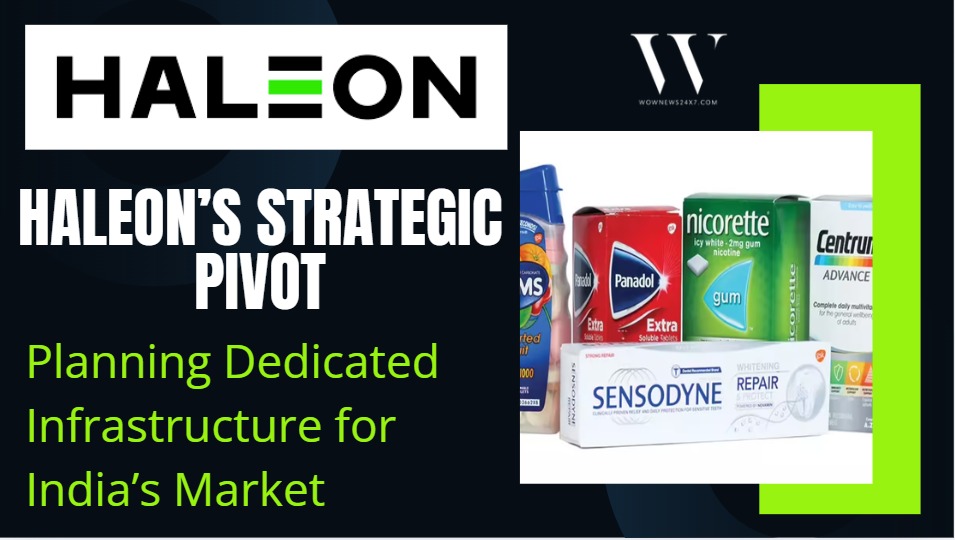
Haleon, the maker of popular brands such as Sensodyne, Advil, and Centrum, is contemplating a future transition toward establishing its own manufacturing infrastructure in India. While the company currently relies primarily on contract manufacturing to meet local demand, leadership has indicated that the scale of the Indian market is nearing a tipping point that will necessitate a dedicated local setup.
Scaling for a Growing Consumer Base
India has emerged as a primary growth engine for Haleon, with the company aiming to add 300 to 400 million new consumers in the country over the next three to four years. According to Kedar Lele, CEO and President of the India Subcontinent at Haleon, the company’s "Win as One" strategy is focused on accelerating growth in the high double digits.
"We do believe that there will be a scale and time where we would have to put in some of our own manufacturing setup," Lele stated, highlighting that India could eventually serve as both a domestic supplier and an export hub for specific products.
Strategic Importance of the Indian Market
The shift toward potential self-owned manufacturing comes as Haleon deepens its reach into the Indian consumer health segment. Key developments driving this growth include:
Retail Expansion: The company has nearly doubled its controlled retail coverage to one million outlets over the past 18 months, with a significant push into rural regions.
Accessibility Initiatives: Haleon has introduced smaller, more affordable access packs, such as the ₹20 Sensodyne SKU, to penetrate deeper into kirana stores and rural markets.
Localized Innovation: Beyond toothpaste, the company is successfully scaling adjacent categories like Centrum Recharge energy sachets, priced at ₹10, to broaden its appeal to cost-conscious consumers.
Supply Chain Resilience
Currently, Haleon’s Indian operations remain relatively insulated from global supply chain disruptions because the vast majority of its products sold locally are manufactured within India. While the company faces some exposure to fluctuating packaging costs linked to crude oil derivatives, its localized production model has provided a stable foundation for consistent growth.
Why It Matters
A shift to company-owned manufacturing would represent a significant milestone in Haleon’s commitment to the Indian market. By moving away from a reliance on contract manufacturers, Haleon would gain greater control over its supply chain, accelerate innovation cycles, and better align its production capacity with the country's rising middle-class demand for preventive oral care.
Key Facts at a Glance
Market Ambition: Haleon aims to reach 300–400 million additional consumers in India within the next three to four years.
Operational Footprint: The company has expanded its controlled retail coverage to one million outlets.
Strategic Shift: Leadership is actively evaluating the transition from contract manufacturing to self-owned facilities as domestic scale increases.
Growth Driver: Rural markets currently contribute 20-25% of Haleon's business in India, with significant runway for future expansion.
FAQ Section
Q: Does Haleon currently own manufacturing plants in India?
A: Currently, most of Haleon’s products in India are produced through contract manufacturers, though the company is evaluating the potential for its own manufacturing setup as scale increases.
Q: What is Haleon’s growth target for India?
A: Haleon is aiming for high double-digit growth in India, with the goal of adding 300 to 400 million consumers in the next three to four years.
Q: How is Haleon reaching rural consumers in India?
A: The company is expanding its distribution network to one million outlets and introducing affordable, smaller-sized packaging, such as ₹20 Sensodyne packs and ₹10 vitamin sachets, to improve accessibility.
Source: Haleon Annual Report 2025, Fortune India - "Why Haleon sees India as a key battleground..."