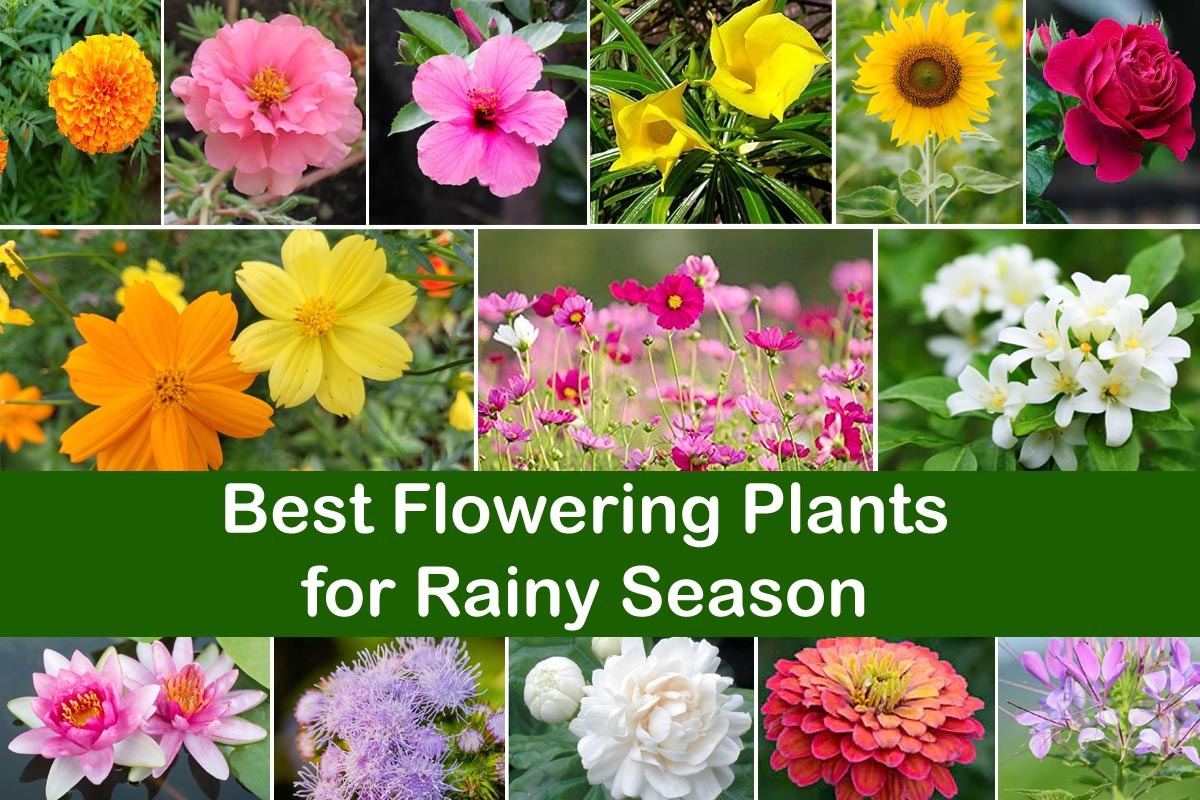
The Indian monsoon transforms gardens by triggering vibrant blooming cycles in resilient varieties like Rain Lilies, Balsam, and Hibiscus. Horticultural authorities recommend prioritizing these heat-and-humidity-loving tropical plants while ensuring proper pot drainage to establish successful, low-maintenance urban balcony gardens throughout the heavy rainy season.
NEW DELHI — The arrival of the southwest monsoon has initiated a dramatic botanical transformation across India, triggering mass flowering cycles in several climate-adapted plant species. Horticultural extensions and agricultural universities have released updated monsoon urban planting guidelines for July 2026, highlighting specific varieties that leverage high atmospheric humidity and seasonal rainfall to thrive. By shifting production from delicate summer annuals to hardy wet-weather flora, local gardeners are turning waterlogged balconies and open terraces into dense, colorful micro-ecosystems.
The Biological Catalyst of the Rainy Season
While heavy downpours frequently trigger root rot and physical damage in standard ornamental plants, specific tropical cultivars rely on the unique atmospheric conditions of the monsoon to activate their main reproductive phases.
According to botanical research data from the Indian Council of Agricultural Research (ICAR), the combination of prolonged cloud cover, increased soil moisture, and elevated relative humidity—often exceeding 80%—accelerates metabolic nutrient uptake in these specialized cultivars. This environmental shift results in rapid vegetative growth followed by abundant flowering that lasts until the onset of autumn.
Seven Essential Varieties for the Monsoon Landscape
Domestic nursery networks and landscaping experts have identified seven key flowering varieties that display exceptional resilience and performance during the peak rainy months:
1. Rain Lily (Zephyranthes): True to its name, this low-maintenance bulbous plant reacts almost overnight to seasonal rainfall. The sudden drop in barometric pressure combined with direct moisture triggers rapid bud emergence, yielding delicate white, pink, or yellow star-shaped flowers that blanket container gardens.
2. Balsam (Impatiens balsamina): Locally known as Gulmehndi, this resilient annual is exceptionally easy to propagate from seed during the wet months. It bears dense, camellia-like blossoms in vivid shades of pink, scarlet, and violet along a thick, water-absorbing stem that withstands persistent wind and rain.
3. Tropical Hibiscus (Hibiscus rosa-sinensis): Though it grows year-round in tropical India, the monsoon marks its peak flowering period. The increased nitrogen content in rainwater promotes large, trumpet-shaped blooms that serve as crucial food sources for local pollinators and butterflies.
4. Periwinkle (Vinca / Sadabahar): Highly recommended for beginner gardeners, the hybrid Vinca series handles intense, continuous rainfall with minimal risk of petal damage. It flowers continuously in shades of lavender, rose, and pure white while remaining largely free from common pests.
5. Crape Jasmine (Tabernaemontana divaricata): Characterized by pinwheel-shaped white flowers and deep green glossy leaves, this shrub thrives in warm, humid weather. The absolute contrast between its snow-white clusters and rich green foliage makes it a staple for monsoon hedges.
6. Ixora (West Indian Jasmine): This robust woody shrub produces large, compact spheres of red, bright orange, and yellow blooms. It thrives in acidic soil environments and benefits directly from the naturally acidic properties of rainwater.
7. Blue Butterfly Pea (Aparajita): A fast-growing sacred vine that climbs rapidly up balcony grilles and trellises during the wet season. It produces distinct, deep blue flowers that are widely harvested for culinary uses, such as brewing antioxidant-rich blue herbal teas.
Critical Adjustments for Urban Balcony Drainage
Horticulturalists warn that the primary cause of plant loss during the monsoon is not the rain itself, but inadequate container drainage. Urban residents utilizing pots and balcony planters must check that all drainage holes are clear of compacted mud and debris.
The National Botanical Research Institute (NBRI) recommends incorporating coarse sand or expanded clay aggregate into potting mixes to prevent water stagnation, which quickly suffocates root systems. Additionally, gardeners should pause routine watering schedules and remove drip trays beneath pots to prevent standing water from attracting breeding mosquitoes.
Official Sources Section
The plant lists, growth parameters, and drainage guidelines detailed in this report are based on public extension releases from the Indian Council of Agricultural Research (ICAR), data sheets from the CSIR-National Botanical Research Institute, and regional urban forestry circulars distributed by state departments of agriculture.
Quote Section
"The monsoon season is the natural spring of the Indian subcontinent. Choosing native and adapted tropical varieties like Vinca, Balsam, and Rain Lilies allows home gardeners to achieve maximum color with minimal chemical intervention, working with the season rather than against it."
— Dr. B. K. Murthy, Senior Horticultural Research Officer
"Organizers stated that selecting species with strong root structures and flexible stems is essential for urban balcony gardens to prevent physical structural damage during high-velocity monsoon windstorms."
Why It Matters
For urban apartment dwellers and commercial property managers, building a resilient monsoon garden helps lower the ambient temperature of concrete structures while supporting local biodiversity during the heavy rainy season. Transitioning to hardy, rain-loving plants cuts down on the cost of replacing dead flora after a storm. Furthermore, incorporating functional plants like Aparajita adds value by providing fresh, homegrown ingredients for health-conscious consumers.
Key Facts at a Glance
Humidity Performance: Varieties like Crape Jasmine and Ixora rely on high humidity levels above 75% to trigger peak blooming.
Rapid Response: Rain Lily bulbs are unique in their ability to flower within 48 hours of initial monsoon showers.
Drainage Priority: Overwatering and water stagnation are the leading causes of plant mortality during the rainy season.
Ecological Value: Heavy summer flowers like Hibiscus serve as vital feeding zones for urban pollinators.
FAQ Section
Why do my plants rot during the monsoon season?
Plant rot is usually caused by waterlogged soil and poor container drainage. When water collects around the roots without draining, it cuts off oxygen supply, leading to fungal infections and root rot.
How often should I water my balcony plants when it rains?
You should adjust your schedule to water only on an "as-needed" basis. Check the top two inches of soil with your finger; if it feels damp from the rain or high humidity, skip watering entirely.
Can the Blue Butterfly Pea (Aparajita) grow in a small pot?
Yes, it grows well in medium to small pots provided it has a trellis, fence, or balcony railing to climb as it grows rapidly during the rainy months.
Source: ICAR-Directorate of Floricultural Research, CSIR-National Botanical Research Institute,