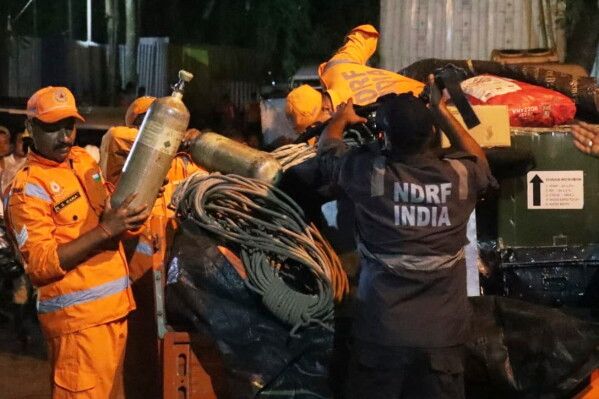
A suspected methane gas explosion at an under-construction hydropower tunnel in Sikkim's Teesta basin left 12 dead and 13 missing. Rescue teams utilizing specialized oxygen equipment are battling hazardous concentrations of toxic gases inside the shaft to locate trapped workers and utility officials.
A suspected methane gas explosion at an under-construction hydropower project in Sikkim leaves 12 dead and 13 missing as rescue teams battle toxic air.
A suspected gas explosion triggered a partial collapse of an under-construction tunnel at a major hydropower facility in India's northeastern Himalayan state of Sikkim, leaving at least 12 people dead and 13 missing. According to official statements released on Tuesday, July 21, 2026, the disaster occurred on Monday afternoon at Samardung village, located approximately 40 kilometers from the state capital, Gangtok.
The blast ripped through the tunnel while construction workers were excavating the site for the 500-megawatt Teesta Stage VI Hydroelectric Project. State Chief Minister Prem Singh Tamang, who visited the disaster zone near the border region, confirmed that preliminary findings point to a dangerous accumulation of methane gas trapped within fragile underground rock formations.
Hazardous Rescue Operations in the Teesta Basin
According to local civil officials and emergency coordinators, two laborers managed to escape the tunnel immediately after hearing the powerful explosion. However, as news of the accident spread, six officials from the state-owned National Hydroelectric Power Corporation (NHPC)—which is overseeing construction—entered the tunnel to assist in rescue efforts but became trapped when conditions rapidly deteriorated.
Rescue personnel from the National Disaster Response Force (NDRF), local police, and emergency services have been operating around the clock. According to NDRF official Nitin Kumar, rescue teams detected lethal concentrations of methane, carbon monoxide, and hydrogen sulfide inside the blocked shaft. Due to the extreme toxicity of the air, emergency workers equipped with specialized oxygen breathing gear can only enter the disaster zone in brief 15-minute shifts.
Geological Pressures and Safety Implications
The tragic incident underscores the severe engineering challenges associated with rapid infrastructure development across seismically active Himalayan terrains. Geological experts note that the Teesta River basin features young, fractured rock strata prone to pockets of trapped ancient gases and unstable tectonic plates.
For construction firms, government planners, and project investors, the accident highlights the critical need for advanced gas-monitoring technology and rigorous ventilation protocols. Similar underground incidents—such as the 2023 tunnel collapse in Uttarakhand and coal mine accidents in Meghalaya—have previously driven calls for stricter safety compliance across India's heavy engineering sector.
Why It Matters
For India's expanding energy infrastructure, navigating fragile geological formations in the Himalayas requires uncompromising safety standards. The Sikkim tunnel disaster emphasizes the urgent necessity for advanced gas detection and stringent ventilation systems to protect construction workers and emergency responders in high-risk underground environments.
Key Facts at a Glance
Incident Location: Samardung village, near Gangtok, Sikkim (Teesta Stage VI Hydroelectric Project).
Casualties & Status: At least 12 dead and 13 missing following a tunnel collapse.
Suspected Cause: Buildup and ignition of trapped methane gas within rock formations.
Rescue Challenges: High concentrations of toxic gases (methane, carbon monoxide, hydrogen sulfide) restricting rescue shifts to 15 minutes.
Frequently Asked Questions
What caused the tunnel disaster at the Sikkim hydropower project?
Official assessments indicate that the disaster was triggered by a suspected explosion caused by an accumulation of methane gas within underground rock formations.
How many people were affected by the explosion?
The blast and subsequent tunnel collapse left 12 people dead and 13 missing, including construction laborers and utility officials who entered to assist in rescue efforts.
Why are rescue operations facing severe delays?
Rescuers are contending with hazardous concentrations of toxic gases—including methane, carbon monoxide, and hydrogen sulfide—forcing teams to use oxygen gear and limit entry shifts to 15 minutes.
Source: Sikkim Chief Minister Prem Singh Tamang, National Disaster Response Force (NDRF), National Hydroelectric Power Corporation (NHPC), The Associated Press