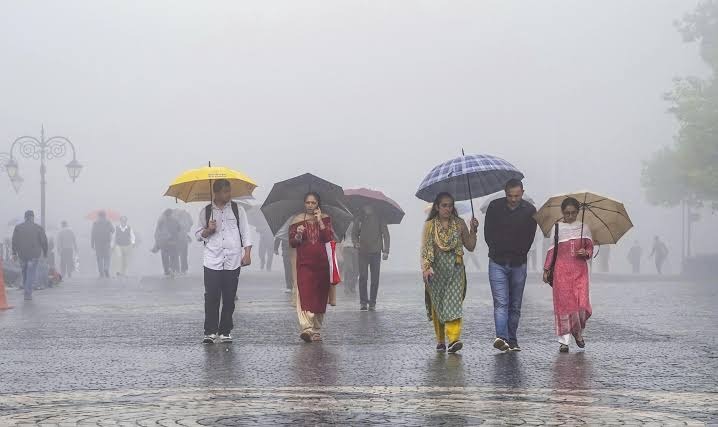
Extended-range weather forecasts indicate that India’s southwest monsoon is on the verge of a sharp slowdown. With limited rainfall anticipated over the next two weeks across major regions, meteorological models point toward an unusually dry September favoring the early withdrawal of seasonal rains starting from northwestern parts of the country.
Overview of the Monsoon Weakening
As August progresses toward its final stretch, weather monitoring agencies have identified clear signals of a rapid decline in moisture feeds and convective activity across the subcontinent. Extended-range numerical models evaluated by meteorologists reveal that the seasonal systems driving India's summer rainfall are losing momentum much faster than usual.
According to weather updates, the anticipated dry phase marks the preliminary stage of monsoon withdrawal. While isolated heavy spells may persist in eastern and central pockets due to localized low-pressure systems, the broader national landscape is transitioning into a prolonged dry spell.
Regional Impacts and Agricultural Concerns
The sudden deceleration in rainfall activity carries significant practical implications for key agricultural belts, water reservoir management, and rural economies:
Crop Vulnerability: Extended dry spells during September threaten late-sown kharif crops, particularly in states heavily dependent on late-season soil moisture.
Reservoir Levels: Reduced precipitation could impact water storage levels ahead of the upcoming rabi sowing season, putting pressure on irrigation systems.
Withdrawal Timeline: Official withdrawal typically commences from extreme northwestern India after September 1, contingent on the cessation of continuous rainfall and the establishment of lower-tropospheric anticyclones. Current atmospheric patterns suggest this transition could proceed on schedule or even accelerate.
Official Sources Section
"According to officials and extended-range weather models, the southwest monsoon is showing signs of a sharp seasonal slowdown, with precipitation expected to remain subdued across major parts of the country as September approaches."
Why It Matters
The early tapering of the monsoon cycle alters water availability for both agrarian communities and urban municipal bodies. When September experiences widespread dryness following uneven seasonal distribution, it influences everything from commodity price trends and ground-water recharge rates to domestic power generation and rural consumer demand.
Key Facts at a Glance
Current Status: Extended-range models project limited rainfall over the upcoming fortnight.
Seasonal Outlook: September is anticipated to trend significantly drier than normal.
Trigger Conditions: Cessation of rainfall activity and establishment of lower-tropospheric anticyclones over northwest India.
Primary Concern: Potential moisture stress on kharif crops during their crucial ripening stage.
Frequently Asked Questions
When does the monsoon normally begin its withdrawal from India?
The withdrawal of the southwest monsoon from the extreme northwestern parts of the country is officially not attempted before September 1.
What weather conditions signal the withdrawal of the monsoon?
Key meteorological features include the cessation of rainfall over an area for five consecutive days, a significant reduction in moisture content, and the establishment of a lower-tropospheric anticyclone.
How will a dry September impact agriculture?
A dry finish can reduce residual soil moisture during the critical maturity phase of kharif crops and necessitate higher reliance on irrigation for upcoming agricultural cycles.
Source: India Meteorological Department (IMD), Ministry of Earth Sciences, Skymet Weather