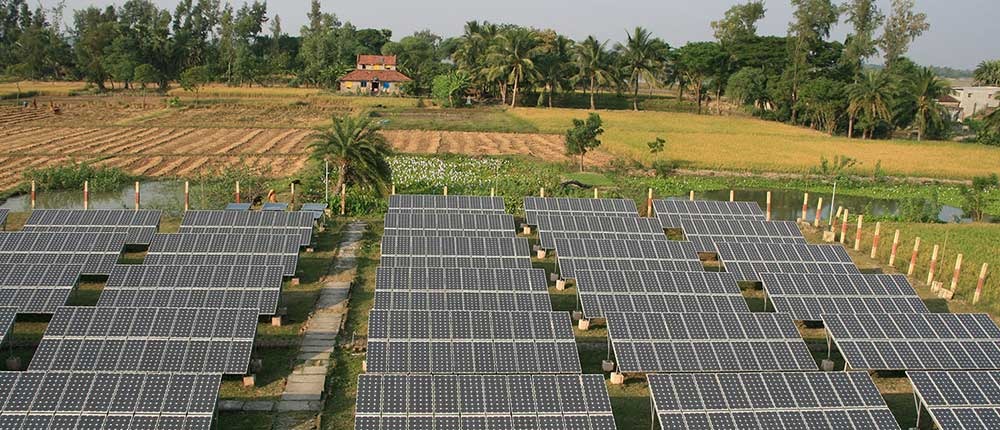
Energy assessments show that incorporating solar-integrated rail and road infrastructure can unlock 150 GW of clean power across India. By utilizing existing transportation pathways, this land-neutral technology brings clean energy generation closer to logistics substations and highway EV stations, accelerating India's transition to net-zero emissions.
NEW DELHI — In a major development for sustainable development planning, clean tech specialists have outlined how solar-integrated rail and road infrastructure can power India's transition to clean energy. According to a comprehensive national assessment compiled under the Indo-German Solar Partnership, the strategic integration of solar photovoltaic (PV) networks directly onto existing transit assets holds a massive potential capacity exceeding 150 gigawatts (GW). The emerging deployment model presents a land-neutral answer to the country's accelerating clean energy demand.
The Shift to Rail and Road Photovoltaics
The underlying clean tech architecture formally categorized as Rail and Road-Integrated Photovoltaics (RIPV) focuses on deploying solar systems along underutilized public properties. This includes setting up panels across highway dividers, structural medians, railway track buffer corridors, and elevated transit viaducts.
The defining feature of RIPV systems is their ability to bypass traditional land acquisition constraints. In a land-constrained country, dedicating thousands of hectares of arable or ecologically sensitive terrain to sprawling utility-scale solar farms frequently faces local pushback. By utilizing existing rights-of-way, RIPV brings electricity generation directly adjacent to primary consumption points, significantly lowering localized transmission and distribution power losses.
Evaluating National Transit Corridor Capacity
According to dataset findings published by the Indo-German Solar Partnership, the aggregate 150 GW capacity potential is split almost equally between the country’s two prominent logistics networks:
To turn these numbers into reality, central transportation agencies have initiated localized pilot frameworks. The Ministry of Railways has already commissioned over 898 MW of localized solar power plants across its network to help hit its target of becoming a net-zero carbon emitter by 2030. This includes testing India's first removable solar panel configurations fitted directly between active tracks at the Banaras Locomotive Works (BLW) in Varanasi.
Concurrently, the National Highways Authority of India (NHAI) has joined forces with the Solar Energy Corporation of India (SECI). The authority is mapping out the installation of continuous solar arrays over elevated corridors, starting with the Delhi-Dehradun Expressway ecosystem.
Official Sources Section
The infrastructure statistics, project milestones, and energy metrics detailed within this report have been verified using the official research briefs of the Indo-German Solar Partnership Network alongside corporate operational statements published via the Press Information Bureau (PIB) Delhi Bureau.
Quote Section
"According to officials and clean energy specialists, the primary hurdles facing large-scale RIPV adoption across India are no longer tied to basic solar cell technology. Instead, current efforts must focus on establishing unified design standards, structured safety guidelines, and clear public-private financing frameworks to scale these pilot projects nationally."
Why It Matters
For citizens and retail vehicle operators, the widespread expansion of highway solar integration provides the dedicated energy backing needed to power the rapid rollout of public electric vehicle (EV) charging grids. For commercial logistics firms and industrial investors, cleaner transport infrastructure ensures long-term protection against fossil-fuel market shocks, while simultaneously lowering the carbon footprint of domestic freight transportation.
Key Facts at a Glance
Total Assessed Capacity: More than 150 GW of localized RIPV generation potential.
Core Distribution: 79 GW across railway corridors and 75 GW along national highways.
Net-Zero Goal Timeline: Indian Railways targets net-zero operational status by 2030.
Land-Neutral Advantage: Uses existing rights-of-way, eliminating the need to acquire dedicated land.
FAQ Section
What exactly is Rail and Road-Integrated Photovoltaics (RIPV)?
RIPV is an engineering method where solar panels are fitted directly into existing transit infrastructure landscapes, such as highway medians, sound barriers, track margins, and station awnings.
How do these solar systems survive heavy vibrations along railway tracks?
Modern pilot projects, such as the one in Varanasi, utilize heavy-duty rubber pads and industrial epoxy adhesives to fix bifacial panels securely between tracks, protecting the electronics from the continuous shockwaves of passing trains.
Will this energy transition help lower the cost of public transport?
Yes. By generating clean electricity locally next to rail traction substations and highway EV hubs, transit operators can curb transmission costs and lower their reliance on expensive grid power.
Source: Press Information Bureau (PIB), Indo-German Solar Partnership Research Archive, Ministry of New and Renewable Energy.