President Donald Trump's push for interest rate cuts to stimulate the economy has stalled as stubborn inflation, surging Treasury yields, and geopolitical tensions keep borrowing costs high. The trend strains federal debt servicing and consumer mortgages, defying the administration's economic targets.
Persistent inflation, geopolitical conflict, and rising bond yields are defying White House pressure, keeping interest rate cuts out of reach.
WASHINGTON — President Donald Trump is facing an uphill battle in his push to lower borrowing costs, as financial markets and persistent inflation continue to defy White House pressure for economic stimulus. Despite months of public appeals urging the Federal Reserve to slash benchmark rates—which the administration argued would act as "Rocket Fuel!" for growth—interest rates have instead climbed to levels that threaten both consumer affordability and government debt servicing.
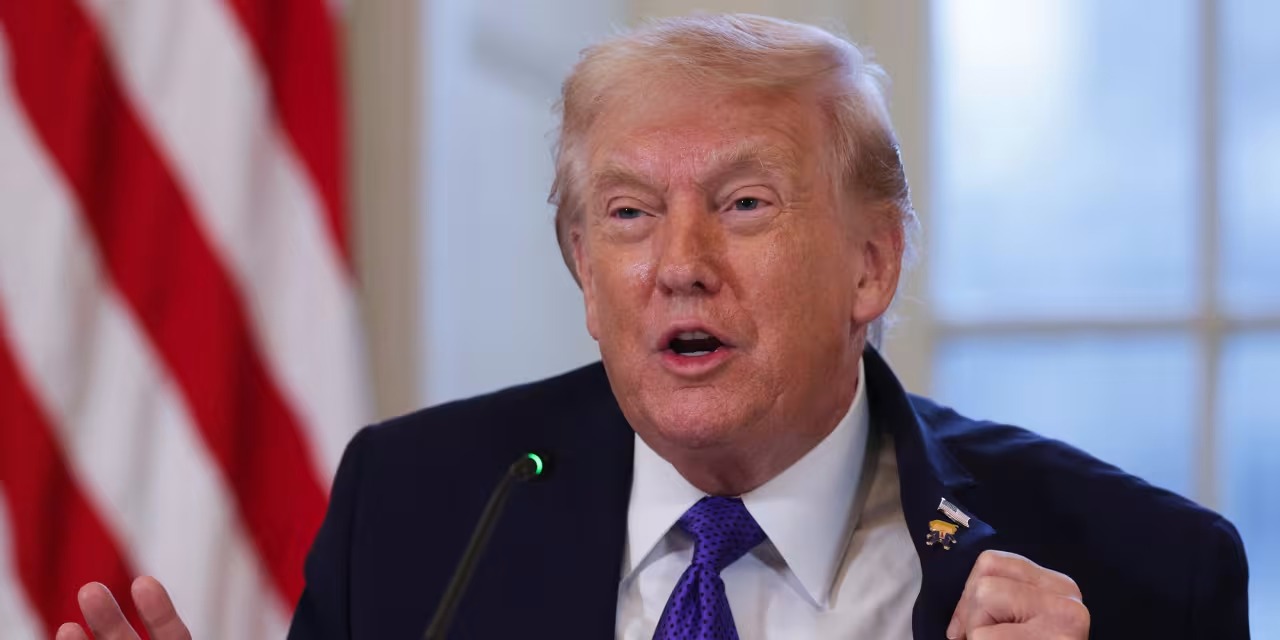
Speaking at a Cabinet meeting at Camp David, President Trump maintained an upbeat outlook, describing the national investment environment as historic. However, economic data released in mid-2026 highlights a different reality. With 30-year U.S. Treasury bonds hitting their highest marks in nearly two decades and 10-year Treasury notes climbing past 4.7%, the administration’s strategy of achieving cheap credit has encountered formidable market obstacles.
Rising Yields and Market Realities
The disconnect between White House expectations and macroeconomic trends stems from a confluence of global pressures. According to regulatory briefings and financial analyses, the ongoing conflict in the Middle East that escalated earlier in the year has driven up oil prices, feeding inflationary loops. Concurrently, heavy domestic spending—including capital moving toward artificial intelligence data center bonds and broader federal outlays—has increased the supply of government debt, forcing investors to demand higher premiums.
Federal Reserve Chair Kevin Warsh, appointed earlier this year, noted during a press briefing that inflation remains uncomfortably high. Rather than aggressively intervening to force rate cuts, Warsh emphasized a policy of allowing financial markets greater autonomy in determining borrowing costs. "Market participants are learning to play the ball, not the referee," Warsh stated, signaling that the central bank intends to let market fundamentals guide monetary policy.
Impact on Consumers, Housing, and Public Debt
The elevated interest rate environment has created direct financial strain across multiple sectors. Mortgage rates remain elevated, with Freddie Mac reporting that 30-year fixed home loans average 6.66%, stalling a robust recovery in housing affordability and frustrating prospective buyers.
At the federal level, the high-rate environment has ballooned the cost of managing the national debt. According to official fiscal reports, the U.S. government has spent $827 billion so far this fiscal year just to service its national debt—surpassing total allocations for national defense. While the administration previously directed government-backed mortgage entities to support housing liquidity, broader economic headwinds have muted the impact of these interventions.
Official Sources Section
Federal Reserve: Official statements and press briefings from Fed Chair Kevin Warsh regarding monetary policy and inflation.
White House Briefings: Public remarks and policy statements from President Donald Trump and White House spokesman Kush Desai.
Freddie Mac: Weekly primary mortgage market surveys tracking average U.S. home loan rates.
U.S. Department of the Treasury: Fiscal data regarding national debt service expenditures.
Quote Section
"According to official statements from White House spokespersons and Federal Reserve briefings, ongoing geopolitical tensions and stubborn inflation continue to dictate market-driven borrowing costs, complicating the administration's goals for interest rate relief."
Why It Matters
The failure to secure lower interest rates carries profound practical implications for everyday consumers and political stakeholders alike. For ordinary citizens, stubbornly high mortgage rates and auto loan costs erode purchasing power, overshadowing broader reports of steady employment. For businesses and investors, higher capital costs mean tighter profit margins and more expensive project financing, dampening the anticipated economic acceleration.
Key Facts at a Glance
Surging Yields: Rates on 30-year U.S. Treasury bonds reached their highest levels in nearly two decades, countering White House pledges of cheap credit.
Debt Servicing Costs: The federal government has spent $827 billion this fiscal year to service the national debt, outpacing national defense spending.
Mortgage Pressures: Freddie Mac data shows 30-year mortgage rates holding near 6.66%, keeping housing affordability constrained.
Fed Independence: Newly appointed Fed Chair Kevin Warsh indicated comfort with letting financial markets set rates based on inflation data rather than political pressure.
FAQ Section
Why are interest rates rising despite White House pressure to cut them?
Interest rates are climbing due to persistent inflation, higher energy costs stemming from geopolitical conflicts, and market-driven premiums on U.S. government debt.
How do high interest rates affect the housing market?
Elevated yields push mortgage rates higher—averaging around 6.66% for 30-year loans—making home purchases less accessible for everyday buyers.
What is the Federal Reserve's stance on lowering rates?
Fed leadership has emphasized that monetary policy must respond to ongoing inflation risks rather than political timelines, leaving markets to dictate pricing premiums.
How much is the government spending on national debt?
Federal reports show that debt-servicing costs have reached $827 billion for the current fiscal year, exceeding total defense expenditures.
Source: Associated Press, Federal Reserve Press Releases, Freddie Mac Economic Reports, U.S. Department of the Treasury