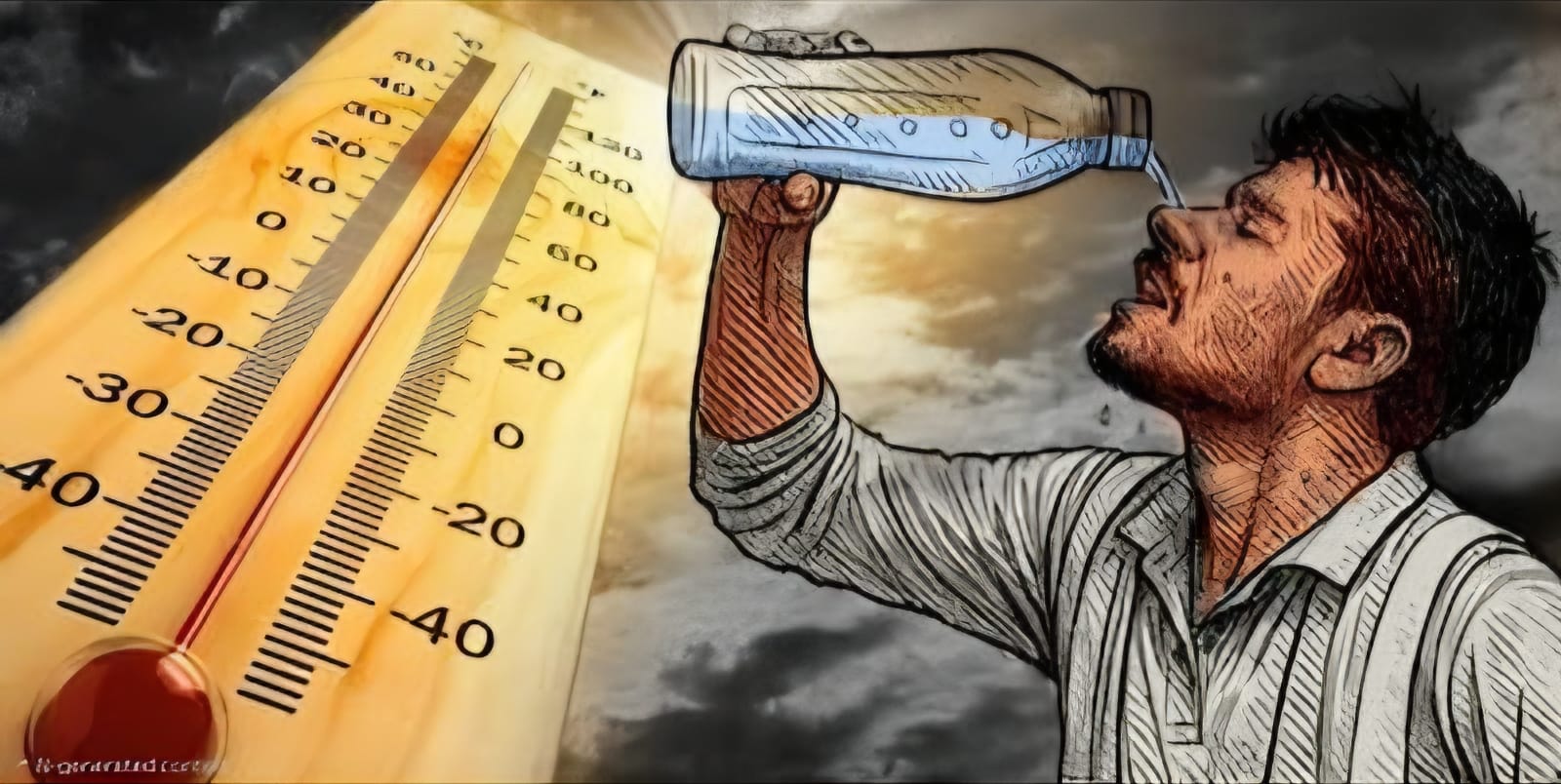
Delhi recorded its warmest August night-time temperature in three years on August 3, 2026, with the minimum temperature at Safdarjung reaching 28.4°C. High humidity and elevated daytime temperatures around 35.6°C elevated thermal discomfort across the capital, despite localized rainfall reported across select stations.
NEW DELHI — New Delhi recorded its warmest August night-time temperature in three years on Monday, August 3, 2026, as overnight weather conditions remained unseasonably hot and humid. According to official data released by the India Meteorological Department (IMD), the minimum temperature at the Safdarjung observatory—Delhi's primary weather base station—settled at 28.4°C, marking a notable departure above normal seasonal benchmarks. The elevated night-time reading, coupled with elevated humidity levels and scattered daytime showers, has amplified muggy conditions across the National Capital Region (NCR), increasing urban heat stress and domestic power demands.
Observatory Breakdown and Temperature Variations Across NCR
Meteorological observations recorded across peripheral stations in Delhi highlighted consistent overnight warmth across urban microclimates. While Safdarjung registered the baseline minimum temperature of 28.4°C, other key monitoring hubs recorded varying readings and minor localized rainfall activity:
Safdarjung Station: Minimum temperature settled at 28.4°C, while the maximum temperature touched 35.6°C—1.2 notches above the seasonal average. No measurable rainfall was recorded at Safdarjung during daytime hours.
Lodhi Road: Minimum temperature stood at 27.8°C (2 notches above normal), while daytime maximum temperatures reached 34.8°C—1.8 notches above normal.
Palam Observatory: Minimum temperature settled at 26.2°C (1.2 notches above normal), with maximum temperatures peaking at 34.4°C.
Ayanagar & Ridge: Ayanagar recorded a minimum temperature of 27.5°C and logged 13.3 mm of daytime rainfall between 8:30 AM and 5:30 PM. Ridge station recorded a minimum of 24.4°C and registered trace rainfall.
| Weather Station | Minimum Temp (°C) | Departure from Normal | Maximum Temp (°C) | Daytime Rainfall |
| Safdarjung (Base) | 28.4°C | Above Normal | 35.6°C | Nil |
| Lodhi Road | 27.8°C | +2.0°C | 34.8°C | Nil |
| Palam | 26.2°C | +1.2°C | 34.4°C | Nil |
| Ayanagar | 27.5°C | +1.1°C | 34.0°C | 13.3 mm |
| Ridge | 24.4°C | +2.1°C | 33.7°C | Trace |
Meteorological Drivers and Urban Heat Island Effects
Meteorologists from the India Meteorological Department attribute the surge in overnight temperatures to a combination of high relative humidity, persistent cloud cover during early hours, and reduced surface heat dissipation. High humidity limits the body's natural cooling through evaporation, exacerbating perceived heat index values during late evening hours.
Furthermore, the Urban Heat Island (UHI) effect in Delhi plays a substantial role during the monsoon transition periods. Dense concrete structures, asphalt roads, and vehicle emissions absorb daytime heat and re-radiate thermal energy throughout the night, keeping minimum temperatures elevated across densely populated residential sectors.
Despite elevated night-time warmth, Delhi’s air quality remained manageable. The 24-hour average Air Quality Index (AQI) recorded at 4:00 PM settled in the "Satisfactory" category with a reading of 76, according to monitoring data published by the Central Pollution Control Board (CPCB).
Official Sources Section
Weather observations, regional forecasts, and climate warnings are published directly by the Regional Meteorological Centre New Delhi under the India Meteorological Department (IMD). Air quality tracking and environmental data are independently logged and published by the Central Pollution Control Board (CPCB).
Official Quotes and Meteorological Warnings
According to officials, monsoon patterns across Northwest India often experience localized lulls where moisture entrapment raises night-time temperatures.
"According to officials, light to moderate rainfall is expected across parts of the National Capital Region over the next 24 to 48 hours," stated an IMD representative. "The sky condition will remain generally cloudy, which should bring temporary relief by pulling daytime and night-time temperatures back toward seasonal normals."
For Tuesday, the IMD has predicted a generally cloudy sky with moderate rain, with minimum and maximum temperatures expected to range between 24°C and 32°C, respectively.
Why It Matters
Sustained high night-time temperatures prevent physiological recovery from daytime heat exposure, posing heightened health risks for vulnerable populations, including senior citizens, outdoor workers, and individuals with cardiovascular or respiratory conditions. Financially, warm nights drive up residential electricity demand as cooling appliances run continuously, placing additional strain on power distribution networks across Delhi, Noida, and Gurugram.
Key Facts at a Glance
Three-Year Record: Safdarjung recorded a minimum temperature of 28.4°C, the highest August night-time temperature since 2023.
Daytime Peak: Maximum temperature reached 35.6°C at Safdarjung, 1.2 notches above the seasonal baseline.
Uneven Rainfall: Ayanagar received 13.3 mm of rain during daytime hours, while Safdarjung and Palam registered no rain.
Satisfactory Air: Delhi's 24-hour average AQI was recorded at 76, staying in the "Satisfactory" band.
Forecast Outlook: The IMD predicts moderate rainfall for Tuesday, with temperatures expected between 24°C and 32°C.
Frequently Asked Questions (FAQ)
What was the minimum temperature recorded in Delhi on August 3, 2026?
The base station at Safdarjung recorded a minimum night-time temperature of 28.4°C, making it the warmest August night recorded in three years.
Did all parts of Delhi receive rainfall on Monday?
No. While Ayanagar recorded 13.3 mm of rainfall and Ridge logged trace precipitation, major weather stations including Safdarjung, Palam, and Lodhi Road recorded no rain during daytime hours.
What is the weather forecast for Delhi in the coming days?
The IMD forecasts a generally cloudy sky with moderate rainfall for Tuesday, with maximum and minimum temperatures settling between 32°C and 24°C, respectively.
How was Delhi's air quality during this warm period?
Delhi's air quality remained in the "Satisfactory" category on August 3, 2026, with a 24-hour average Air Quality Index (AQI) of 76 recorded by the CPCB.
Source: India Meteorological Department (IMD) | Central Pollution Control Board (CPCB)