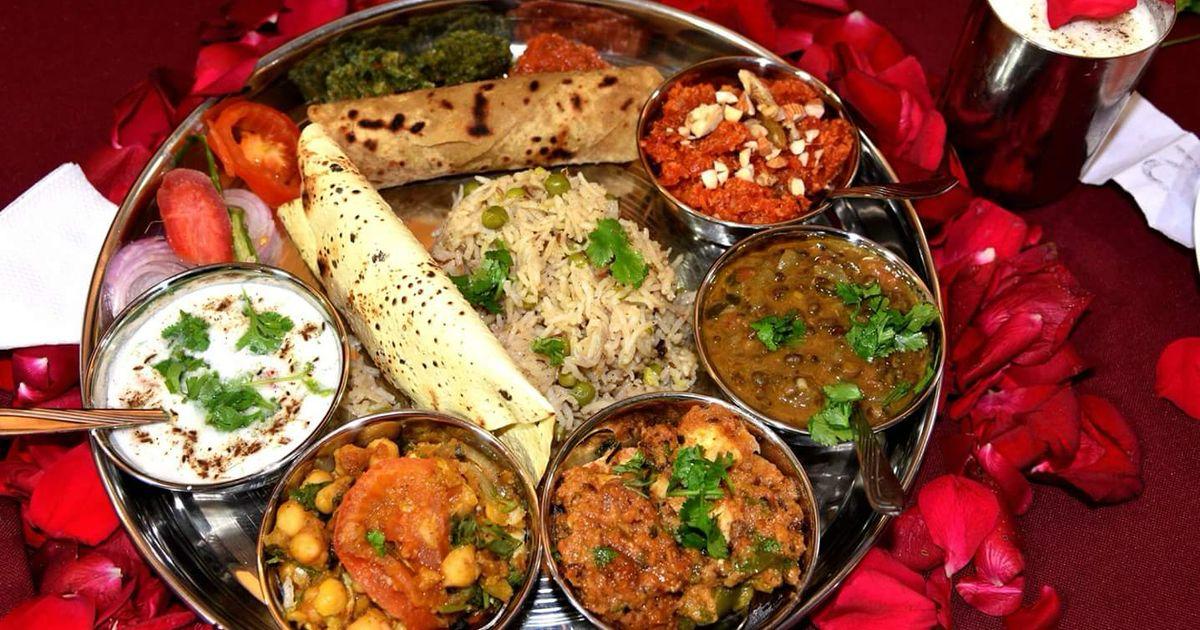
A North Indian thali is a celebration of flavors and textures, intricately designed to offer a complete, balanced meal on a single platter. Rooted in tradition and culinary expertise, the thali brings together an array of dishes that complement each other, including lentils, breads, vegetables, a...
A North Indian thali is a celebration of flavors and textures, intricately designed to offer a complete, balanced meal on a single platter. Rooted in tradition and culinary expertise, the thali brings together an array of dishes that complement each other, including lentils, breads, vegetables, and sweets—each serving a purpose in nourishment and taste harmony. For anyone looking to experience or recreate the essence of North Indian cuisine, these six elements are essential to mastering the thali experience.
Key Highlights of a Classic North Indian Thali
A balanced thali satisfies every palate with a mixture of spicy, tangy, sweet, and savory flavors.
It features vegetarian dishes predominantly, but non-vegetarian versions exist depending on the region and preference.
Each element plays a nutritional and cultural role, ensuring a wholesome, fulfilling meal.
The presentation on a round metal platter with multiple small bowls (katoris) is traditional, allowing diners to savor each dish individually or mixed.
Six Indispensable Components of a North Indian Thali
Dal (Lentil Curry)
The soul of a North Indian thali, dal offers protein-rich comfort with earthy spices and a tempering (tadka) of cumin, mustard seeds, garlic, and ghee. Popular varieties include Toor Dal Tadka, Dal Makhani, and Yellow Moong Dal. Dal balances the meal with its creamy texture and mild heat, making it essential for flavor harmony and protein intake.
Sabzi (Vegetable Curry)
Vegetables such as aloo gobi (potato and cauliflower), baingan bharta (mashed eggplant), or paneer-based dishes like Paneer Makhani provide varied texture and spice profiles. These curries are lightly to richly spiced depending on the recipe, adding color and diversity to the platter.
Roti or Paratha (Indian Flatbreads)
Bread is crucial for scooping curries and dal. Whole wheat rotis, lachha parathas, or stuffed parathas (like aloo or paneer) bring warmth and wholesomeness. The bread’s softness and subtle flavor offset the robust, spiced gravies.
Rice (Plain or Jeera)
Steamed basmati rice or cumin-flavored jeera rice completes the meal, soaking up liquid curries for additional flavor layers. Rice also offers a neutral counterpoint and variety in grain texture to the plate.
Accompaniments (Raita, Pickles, and Papad)
Cooling raita—yogurt mixed with cucumber, boondi, or spices—refreshes the palate between rich bites. Pickles (achar) add a burst of tang and intensity, while crispy papads lend crunch and textural contrast.
Sweet Dish (Dessert)
No thali is complete without a dessert such as gulab jamun, kheer, or kesar phirni. The sweet finish balances the spices and rounds off the meal with a comforting, indulgent note.
Why These Elements Matter
Each component enriches the dining experience with balanced nutrition, including carbohydrates, proteins, fats, vitamins, and probiotics.
The flavors and textures combine to fulfill the sensory craving for spice, sweetness, and cooling freshness.
The combination reflects centuries of culinary evolution, cultural preferences, and regional ingredient availability.
Serving and Eating Traditions
Traditionally, the thali is served on a rounded metal plate with small bowls arranged around the edges, allowing an inviting visual appeal. The meal is eaten by mixing certain elements or enjoying them individually, often with the hands to fully experience the textures and aromas. The sequence may start with lighter items like dal and rice, moving to richer curries, finishing with the cooling raita and sweet dessert.
Elevating the North Indian Thali Experience
Modern interpretations of the thali maintain authenticity while experimenting with seasonal vegetables, fusion breads, and innovative desserts. Ready-to-eat versions and restaurant thalis may vary but always aim to retain the harmony of these six basic elements. The thali remains a cherished symbol of hospitality and culinary richness across India and among Indian food lovers worldwide.
In essence, this combination of dal, sabzi, roti/paratha, rice, accompaniments, and dessert composes a symphony of flavors and nutrition that defines the North Indian thali—an unmissable culinary experience.
Sources: Everest Tandoori, Poonam Bachhav Blog, Bombay Basket