The Delhi government is set to approve a comprehensive drone policy designed to create over 1,000 jobs, establish dedicated research clusters, and regulate commercial flight operations. Overseen by the IT Department, the framework balances public sector surveillance, traffic management, and commercial incentives with strict security protocols for Delhi's restricted airspace.
NEW DELHI — The Delhi government’s proposed policy framework for unmanned aerial vehicles (UAVs) is expected to receive formal cabinet approval within a month, promising to create over 1,000 new technical and operational jobs across the National Capital Territory (NCT). Announced by Delhi Information and Technology Minister Pankaj Singh on August 8, 2026, the upcoming Delhi drone policy establishes a regulated operational ecosystem, integrating drone technology into public sector operations while fostering private sector innovation and commercial drone applications.
Strategic Framework and Infrastructure Investment
Drafted primarily by the Department of Information Technology, the Delhi drone policy focuses on building state-of-the-art technological infrastructure to support drone operations across the capital. Key policy pillars include the establishment of specialized drone research clusters, dedicated flight-testing facilities, and Remote Pilot Training Organisations (RPTOs).
According to government projections, the Delhi administration plans to allocate a dedicated budget to fund drone infrastructure development. To encourage private sector participation and technology startups, the state framework proposes financial subsidies, research grants, and state Goods and Services Tax (SGST) reimbursements for companies operating within the regional drone ecosystem.
The policy is also designed to integrate directly with the Directorate General of Civil Aviation’s (DGCA) Digital Sky platform, ensuring that commercial flight plans, pilot licenses, and airspace permissions align seamlessly with central civil aviation protocols.
Public Sector Deployment and Operational Scope
Beyond encouraging commercial technology hubs, the Delhi drone policy lays down standard operating procedures (SOPs) for government agencies to utilize UAVs across daily urban administration.
State authorities plan to deploy drones for critical municipal and law enforcement functions, including:
Traffic Management: Monitoring real-time vehicle congestion along major arterial corridors to optimize signal timing.
Law Enforcement & Security: Assisting Delhi Police in crowd monitoring, event security, and perimeter surveillance.
Disaster Response & Mapping: Rapid assessment during urban flooding, structural fires, or emergency search-and-rescue operations.
Commercial Applications: Streamlining survey work across real estate development, telecommunications tower maintenance, and media production.
Managing High-Security "No-Drone Zones"
A crucial aspect of the Delhi drone policy addresses the geographical constraints of the nation's capital. Official surveys indicate that approximately 60 percent of Delhi's total geographic area is currently designated as a "no-drone zone" due to the heavy concentration of diplomatic enclaves, parliament buildings, defense installations, and VVIP residences.
To operate effectively within these constraints, a specialized committee chaired by the Secretary of the IT Department worked on feasibility solutions to establish clear digital fencing, prominent zoning signage, and robust counter-drone protocols. The upcoming policy will clearly define permitted flight corridors to ensure commercial drone usage does not compromise government security.
Impact on Employment, Industry, and Skill Development
The implementation of the Delhi drone policy is expected to generate direct and indirect employment for certified drone pilots, maintenance engineers, software developers, and GIS mapping technicians.
To prepare the local workforce, the government plans to institute capacity-building programs, introducing drone awareness workshops in secondary schools, creating university-level centers of excellence, and supporting standardized pilot certification courses through accredited training institutes.
Official Sources Section
According to official briefings from Delhi IT Minister Pankaj Singh, releases from the Delhi Department of Information Technology, and feasibility reports generated by the IT Department Secretary Committee, the draft cabinet note is fully prepared for upcoming ministerial review.
Quote Section
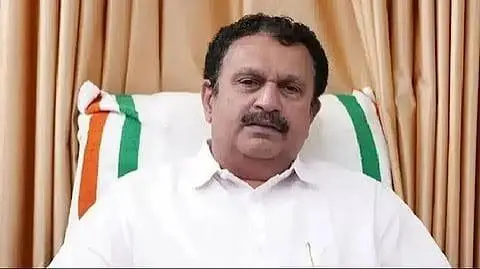
According to Delhi IT Minister Pankaj Singh, "A comprehensive drone policy is being planned to ensure safe and regulated drone operations, along with job opportunities. The policy is ready; we plan to table it for cabinet approval in a month."
Officials involved in drafting the policy added, "In Delhi, almost 60 per cent of the area is a 'no drone zone' due to several VIP installations, so keeping those limitations in mind, the policy is designed that way."
Why It Matters
The formal rollout of the Delhi drone policy provides a legal, structured framework for commercial drone adoption while opening skilled technical career paths for youth. For urban citizens, automated drone applications will improve emergency response speeds, enhance public safety monitoring, and reduce traffic bottlenecks across the national capital territory.
Key Facts at a Glance
Job Creation: Expected to generate over 1,000 skilled jobs in piloting, research, and technical services.
Cabinet Approval Timeline: Scheduled for formal cabinet presentation and approval within one month.
Financial Incentives: Proposes research subsidies, infrastructure budget allocations, and state GST reimbursements.
Security Compliance: Custom-designed to navigate Delhi's 60% "no-drone zone" airspace restriction safely.
FAQ Section
How many jobs will the new Delhi drone policy create?
The proposed Delhi drone policy is projected to create over 1,000 new direct and indirect jobs across technical, manufacturing, training, and operational sectors.
When will the Delhi drone policy take effect?
Delhi IT Minister Pankaj Singh confirmed that the policy document is fully prepared and will be presented for state cabinet approval within a month.
How does the policy address security restrictions in VIP areas?
Because roughly 60 percent of Delhi is classified as a "no-drone zone," the framework establishes standard operating procedures, counter-drone measures, and clear zoning guidelines to ensure operations do not infringe on restricted airspace.
Source: Official statements from Delhi IT Minister Pankaj Singh, Delhi Department of Information Technology Feasibility Report, Directorate General of Civil Aviation (DGCA) Digital Sky Guidelines, Press Trust of India (PTI) bulletins.