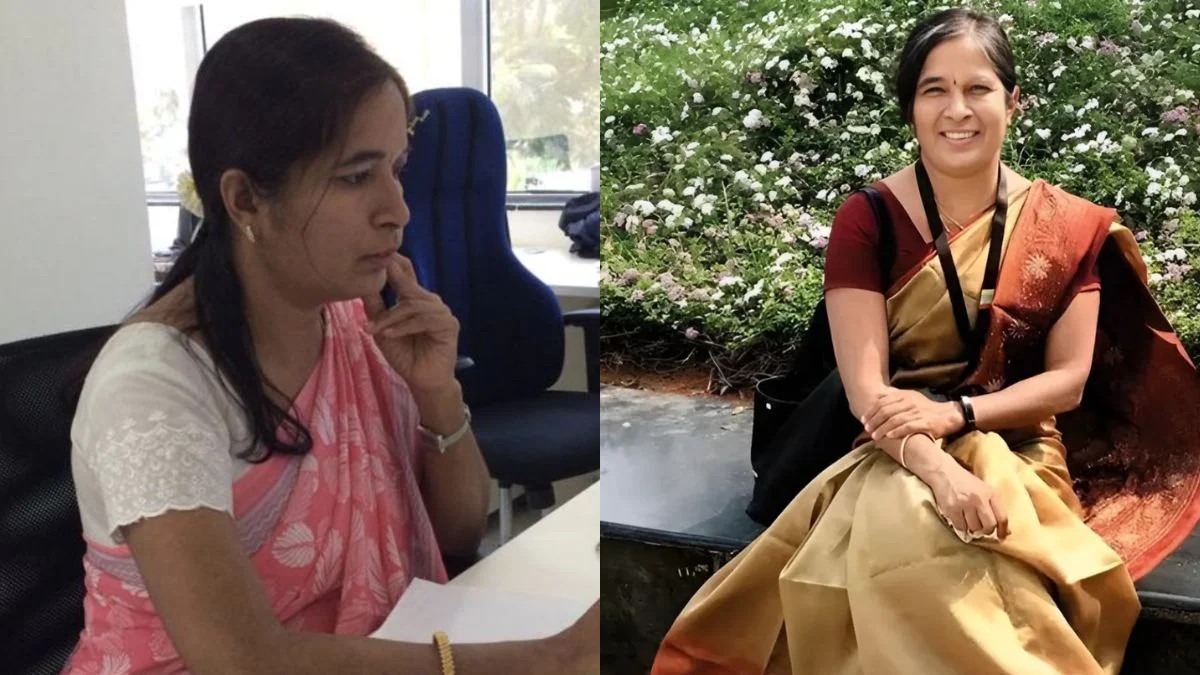
India’s low-profile tech billionaire Savitri Jindal and her family are drawing global attention for retaining unusually high ownership in their business empire. Unlike many Silicon Valley founders diluted by investors, the Jindal family continues to hold commanding stakes across sectors, highlighting India’s unique family-led corporate culture and long-term wealth strategy.
India’s billionaire landscape is once again making headlines - but this time, it’s not because of flashy startups or unicorn valuations. The spotlight is on one of the country’s most discreet business dynasties, whose ownership strategy is now being compared with some of the world’s biggest tech founders.
While Silicon Valley CEOs often surrender equity during fundraising rounds, India’s industrial families continue to prioritize control, legacy, and long-term wealth preservation.
The Ownership Formula Silicon Valley Can’t Match
The Jindal family, led by Savitri Jindal, reportedly owns a massive share of the conglomerate spanning steel, power, cement, and infrastructure. This level of promoter ownership stands in sharp contrast to global tech firms, where founders frequently hold single-digit stakes after years of venture capital dilution.
Experts say the Indian business ecosystem still favors tightly controlled family enterprises. This allows founders and promoters to maintain strategic influence while benefiting from long-term capital appreciation.
Why This Matters Globally
The rise of Indian billionaires with concentrated ownership is reshaping global conversations around wealth creation and corporate governance. Investors increasingly view promoter-led businesses as more stable during volatile market conditions.
At a time when global tech companies face pressure from activist investors and shareholder battles, India’s family-run empires continue to operate with centralized decision-making and generational continuity.
Business World Takeaways
- Family-led Indian conglomerates are retaining higher ownership than most global tech founders
- Promoter control remains a defining feature of India’s corporate ecosystem
- Global investors are increasingly studying India’s long-term wealth creation models
- The trend highlights the contrast between venture-funded startups and legacy business houses
- India’s billionaire wealth narrative is shifting from startup hype to ownership power
The Bigger Picture For India Inc.
India’s rapidly expanding economy is creating a new class of ultra-wealthy business leaders who are balancing modernization with legacy ownership. As global markets closely watch India’s growth story, promoter-driven enterprises may become one of the country’s strongest economic differentiators.
Sources: Bloomberg, Forbes, Business Standard, Economic Times