From J.P. Dutta’s upcoming Border 2 to Sidharth Malhotra’s compelling turn in Shershaah, Bollywood actors who aced the uniform on screen continue to intrigue audiences. Supported by intense boot-camp training and Ministry of Defence oversight, these performances explore the fascinating mystery of how actors embody real-life military heroes.
MUMBAI, INDIA — What transforms a piece of tailored olive-drab or navy cloth into an electrifying force on the silver screen? Across decades of Hindi cinema, an intriguing phenomenon has endured: when Bollywood stars step into the shoes of defense personnel, the relationship between actor, audience, and narrative fundamentally shifts.
As excitement builds for upcoming war epics like Border 2, and audiences continue to dissect the legacy of biographical triumphs like Shershaah, film historians and fans alike are asking deeper questions about what it truly takes to command the uniform. Is it simply physical transformation, or a psychological leap into the minds of real-world heroes?
The Longewala Mystique: From Border to Border 2
When J.P. Dutta released Border in 1997, it did more than dramatize the 1971 Battle of Longewala; it cracked a hidden code of Indian storytelling. Sunny Deol’s portrayal of Major Kuldip Singh Chandpuri didn't just rely on dramatic dialogue—it captivated viewers by capturing the unseen tension of command under absolute isolation.
Decades later, the riddle continues. Border 2, directed by Anurag Singh and produced by Bhushan Kumar, Krishan Kumar, J.P. Dutta, and Nidhi Dutta, seeks to unearth new layers of military history. With Sunny Deol returning alongside Varun Dhawan, Diljit Dosanjh, and Ahan Shetty, industry watchers are watching closely to see how a new generation of actors decodes the physical and emotional weight of modern service.
Cracking the Code of Reality: Sidharth Malhotra in Shershaah
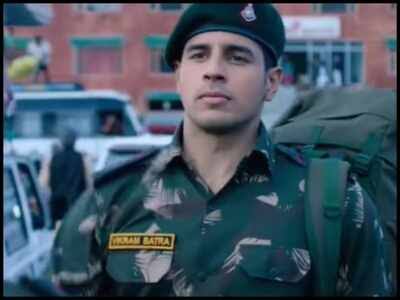
How does an actor bridge the gap between performance and the memory of a fallen hero? In Dharma Productions’ Shershaah (2021), Sidharth Malhotra faced the daunting task of channeling Param Vir Chakra recipient Captain Vikram Batra during the 1999 Kargil War.
The secret behind the film's critical impact lay in hyper-detailed authenticity. According to production records from Dharma Productions, Malhotra spent months in intense boot camps under military supervision. Every subtle movement—from the tilt of the beret to the crisp execution of tactical maneuvers in high-altitude terrain—was engineered to mirror real-life combat conditions, leaving audiences wondering where acting ended and reality began.
Icons Under Inspection: Stars Who Solved the Uniform Equation
The quest for military precision has driven several top performers to redefine their craft through distinct roles:
Vicky Kaushal (Uri: The Surgical Strike): To embody Major Vihaan Singh Shergill, Kaushal immersed himself in intense Special Forces tactical training, transforming his posture and movement to convey military focus.
Hrithik Roshan (Lakshya & Fighter): Farhan Akhtar’s 2004 film Lakshya explored the psychological evolution of a drifting cadet becoming a disciplined officer—a transformation Roshan revisited decades later as a Sukhoi-30 MKI pilot in Fighter (2024).
Shah Rukh Khan (Main Hoon Na & Jab Tak Hai Jaan): Bringing quiet stoicism to the screen, Khan portrayed an Army officer navigating covert ops in Main Hoon Na and an elite Bomb Disposal officer in Jab Tak Hai Jaan.
Akshay Kumar (Holiday, Baby, & Rustom): Known for his physical discipline, Kumar’s precise execution of military posture in Rustom earned him a National Film Award.
Jahnvi Kapoor (Gunjan Saxena: The Kargil Girl): Explored the uncharted territory of female flight lieutenants navigating combat zones in the Indian Air Force.
Behind the Protocol: What Official Channels Reveal
Behind every uniform seen on screen lies a rigorous process of authorization and protocol. Official statements from production houses confirm that Indian filmmakers work within a strict framework established by the Ministry of Defence (MoD).
Scripts, costume designs, and tactical depictions are scrutinized to ensure that rank insignia, medal placements, and combat behaviors strictly conform to official regulations.
"Wearing the uniform on camera isn't just about wardrobe design; it's a sacred trust," noted producer Nidhi Dutta during preliminary discussions for Border 2. "If a single badge is out of place, the magic breaks, and the respect owed to our forces is compromised."
Why It Matters
The enduring fascination with military characters reveals a deeper consumer appetite for authenticity and real-world stakes. When actors dedicate months to tactical drills and protocol mastery, it elevates cinema from simple entertainment to a shared cultural reflection on duty, sacrifice, and history.
Key Facts at a Glance
Next-Gen War Epics: Border 2 expands the classic franchise with a multi-generational cast featuring Sunny Deol, Varun Dhawan, Diljit Dosanjh, and Ahan Shetty.
Method Preparation: Modern actors undergo rigorous multi-month military drills to master real-world combat posture and weapon handling.
Biographical Integrity: Performances like Sidharth Malhotra's in Shershaah rely on exact historical and regimental fidelity.
Strict Oversight: All defense-focused film productions require script clearance and uniform approval from India's Ministry of Defence.
Frequently Asked Questions
Why do actors undergo real military training for these roles?
To project natural muscle memory, tactical awareness, and authentic posture, casting directors bring in military advisors to condition actors before cameras roll.
How do filmmakers ensure uniforms are legally accurate?
Filmmakers must submit detailed wardrobe plans and scripts to the Ministry of Defence for formal clearance before filming begins.
What makes military cinema so captivating to modern audiences?
The intersection of true historical stakes, intense physical discipline, and deep emotional conflict creates a unique dramatic tension rarely matched in other genres.
Source: Official Press Statements from Dharma Productions, T-Series, JP Films, and Ministry of Information and Broadcasting Archives.