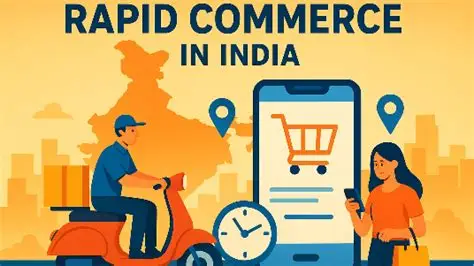
E-commerce giants are racing to capture surging demand outside India's metros ahead of the festive season. By launching fulfillment centers and expanding rapid delivery networks into tier-2 and tier-3 cities, platforms are transforming small-town logistics, ensuring consumers nationwide enjoy fast, seamless shopping experiences.
NEW DELHI — Walk into any regional sorting facility across central or eastern India this September, and the hum of automated scanners tells a quiet story of retail transformation. E-commerce majors and logistics networks are no longer fighting solely for zip codes in Mumbai, Bengaluru, or South Delhi.
As the autumn festive calendar approaches in September 2026, the real battlefield has shifted decisively outward. Driven by soaring aspirations in smaller towns, digital marketplaces are aggressively racing beyond metros, competing intensely on delivery speed, hyper-local fulfillment, and same-day reliability to capture the next wave of festive shoppers.
The Non-Metro Rush: Where Bharat Shops Now
For years, online retail growth was anchored strictly by top metropolitan centers. Today, industry trade data and supply-chain disclosures reveal a fundamental inversion: non-metro regions—collectively referred to as Tier-2 and Tier-3 cities—account for well over half of total e-commerce order volumes during peak festive cycles.
Cities like Raipur, Ranchi, Varanasi, and Salem are no longer secondary considerations. They are the primary growth engine. Consumers in these emerging urban pockets are matching metropolitan shopping expectations, demanding everything from festive apparel and consumer electronics to artisanal home decor delivered at breakneck speeds.
Market participants note that this behavioral evolution has forced digital platforms to rethink supply-chain physics. Waiting four to five days for festive deliveries is no longer acceptable to a consumer base accustomed to instant updates and rapid transit.
Infrastructure Expansion and Speed Wars
To outmaneuver rivals ahead of peak consumer spending, major supply-chain operators are deploying aggressive infrastructure scaling. Industry leaders have rolled out massive network enhancements—launching dozens of new fulfillment centers, specialized sort hubs, and thousands of last-mile delivery touchpoints specifically targeted at tier-2 and tier-3 geographies.
Key operational shifts defining this pre-festive race include:
Deep Regional Penetration: Establishing first-ever dedicated fulfillment facilities in historically underserved districts to slash transit miles.
Multimodal Freight Integration: Leveraging freight corridors and expanded regional air networks to ensure continuous trunk-route velocity.
Ultra-Fast Formats: Scaling quick-commerce and minutes-delivery infrastructure into hundreds of new cities, bringing instant gratification far beyond metro perimeters.
Impact on Local Sellers and Consumers
For regional micro-entrepreneurs, artisans, and small-scale manufacturers, this logistics revolution offers a golden window. Sellers based outside major industrial capitals can now list products on national storefronts with the confidence that their goods will reach buyers thousands of kilometers away within 24 to 48 hours.
For consumers, the leveling of delivery speeds bridges the historical gap between metro and small-town shopping experiences, turning regional festivities into fully integrated digital commerce events.
Official Sources Section
Operational expansions, market trends, and infrastructure metrics verified via official corporate announcements from Amazon India, retail logistics filings, and industry supply-chain association reports released in September 2026.
Quote Section
According to company statements detailing operational network readiness ahead of the festive season, "scaling specialized fulfillment infrastructure deep into non-metro regions ensures that customers across every corner of the country experience reliable, ultra-fast delivery when shopping seasonal demand."
Why It Matters
When e-commerce platforms compete on delivery speed in tier-2 and tier-3 markets, they unlock dormant domestic consumption potential. Faster fulfillment reduces cart abandonment, lowers return friction, and integrates regional economies seamlessly into the national digital marketplace.
Key Facts at a Glance
Geographic Shift: Tier-2 and Tier-3 cities drive the majority of incremental e-commerce order volume.
Network Scaling: Major operators are adding dozens of new fulfillment centers and hundreds of last-mile stations ahead of festive shopping.
Speed Benchmarks: Same-day and next-day delivery footprints are expanding rapidly into dozens of previously unserved districts.
Core Drivers: Rising digital literacy, UPI adoption, and consumer demand parity in smaller towns.
Frequently Asked Questions
Why are e-commerce companies focusing heavily on tier-2 and tier-3 cities now?
Because non-metro markets represent the fastest-growing segment of online shoppers, accounting for more than half of overall e-commerce demand during seasonal peaks.
How are companies improving delivery speeds in smaller towns?
By establishing local fulfillment centers, expanding last-mile delivery networks, and utilizing dedicated rail and air freight corridors.
What categories benefit the most from this rapid logistics expansion?
Fashion, consumer electronics, packaged goods, and festive gifting items experience the sharpest spikes in speed-sensitive delivery demand.
Source: Amazon India operational release (September 2026); retail logistics industry tracking reports; trade infrastructure briefs.