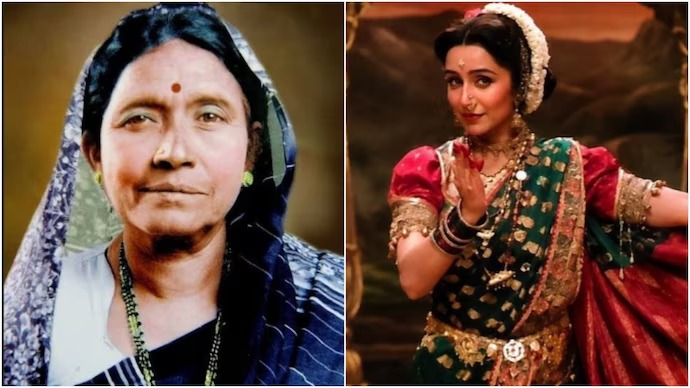
Eetha, a biographical film starring Shraddha Kapoor and directed by Laxman Utekar, honors the life of the legendary Marathi Tamasha artist Vithabai Narayangaonkar. The film chronicles her rise to fame, her immense contributions to traditional folk theatre, and the personal hardships she faced, aiming to preserve her legacy for a new generation.
Vithabai Narayangaonkar, a name synonymous with the traditional Marathi folk art form Tamasha, is the real-life inspiration behind the upcoming Bollywood film Eetha, starring Shraddha Kapoor. As the film nears its highly anticipated August release, audiences are revisiting the extraordinary life of the performer famously known as the "Tamasha Samradini" (Empress of Tamasha).
A Life Dedicated to Tamasha
Born in Pandharpur in 1935, Vithabai Narayangaonkar grew up in a family of performing artists. From a young age, she demonstrated an innate talent for Lavani, Gavlan, and Bhedik—traditional song and dance forms integral to Tamasha, a vibrant theatre tradition in Maharashtra.
Vithabai’s career was defined by her unyielding commitment to her troupe and the art form. Unlike many of her contemporaries who transitioned to cinema, she famously turned down numerous film offers, fearing that leaving her troupe would deprive the many artists who relied on it for their livelihoods. Her dedication earned her the highest honors, including medals from the President of India in 1957 and 1990.
The Legend Behind the Performance
One of the most enduring anecdotes from her life, which is reportedly depicted in the upcoming film, highlights her legendary resilience. While at the peak of her popularity, Vithabai continued performing even while in the advanced stages of pregnancy. According to accounts of the event, she went into labor during a show, moved backstage to deliver the child, and returned to the stage shortly after to complete her performance, leaving audiences stunned by her fortitude.
Despite her immense professional success and the prestige she brought to Tamasha, her personal life was fraught with challenges. Reports and theatrical accounts of her life suggest she suffered significant financial distress and domestic hardship, dying in relative isolation in 2002.
The Film Adaptation: 'Eetha'
Eetha, directed by Laxman Utekar, aims to capture this emotional trajectory—from Vithabai’s rise to fame to the later hardships that marked her final years. Shraddha Kapoor, who leads the project, underwent extensive preparation to portray the nuances of the iconic performer. The production, which wrapped filming in May 2026, features a montage song that charts the protagonist’s journey across decades.
The film is set for an August 28 release and features a supporting cast including Randeep Hooda and Mohammed Zeeshan Ayyub. Producers and creative teams involved in the project emphasize that the film serves as a tribute to her undying passion for the folk art that she championed until the end of her life.
Why It Matters
The story of Vithabai Narayangaonkar is critical to understanding the history of regional performance art in India. The government of Maharashtra honored her memory by instituting the "Vithabai Narayangaonkar Lifetime Achievement Award" in 2006, which recognizes artists who contribute to the preservation and propagation of Tamasha. The film Eetha is expected to bring renewed national attention to the significance of this folk theatre tradition and the woman who became its most recognizable face.
Key Facts at a Glance
Icon of Art: Vithabai Narayangaonkar (1935–2002) was a celebrated Tamasha and Lavani artist from Maharashtra.
Presidential Honors: She was honored with medals by the President of India in 1957 and 1990.
Film Inspiration: The upcoming film Eetha, starring Shraddha Kapoor, is a cinematic portrayal of her life and struggles.
Legacy: The Maharashtra government instituted the "Vithabai Narayangaonkar Lifetime Achievement Award" in 2006 to honor contributions to Tamasha.
FAQ
Who is the primary inspiration for the film Eetha?
The film is based on the life of Vithabai Narayangaonkar, a legendary Tamasha and Lavani dancer.
When is Eetha scheduled to be released?
The film is slated for release on August 28, 2026.
What was Vithabai’s contribution to the arts?
She was instrumental in popularizing and sustaining the Tamasha folk theatre tradition, earning the title "Tamasha Samradini" (Empress of Tamasha).
Is there an award in her name?
Yes, the Maharashtra government established the Vithabai Narayangaonkar Lifetime Achievement Award in 2006 for artists dedicated to the folk art of Tamasha.
Source: Wikipedia, The Indian Express, Times of India, GKToday