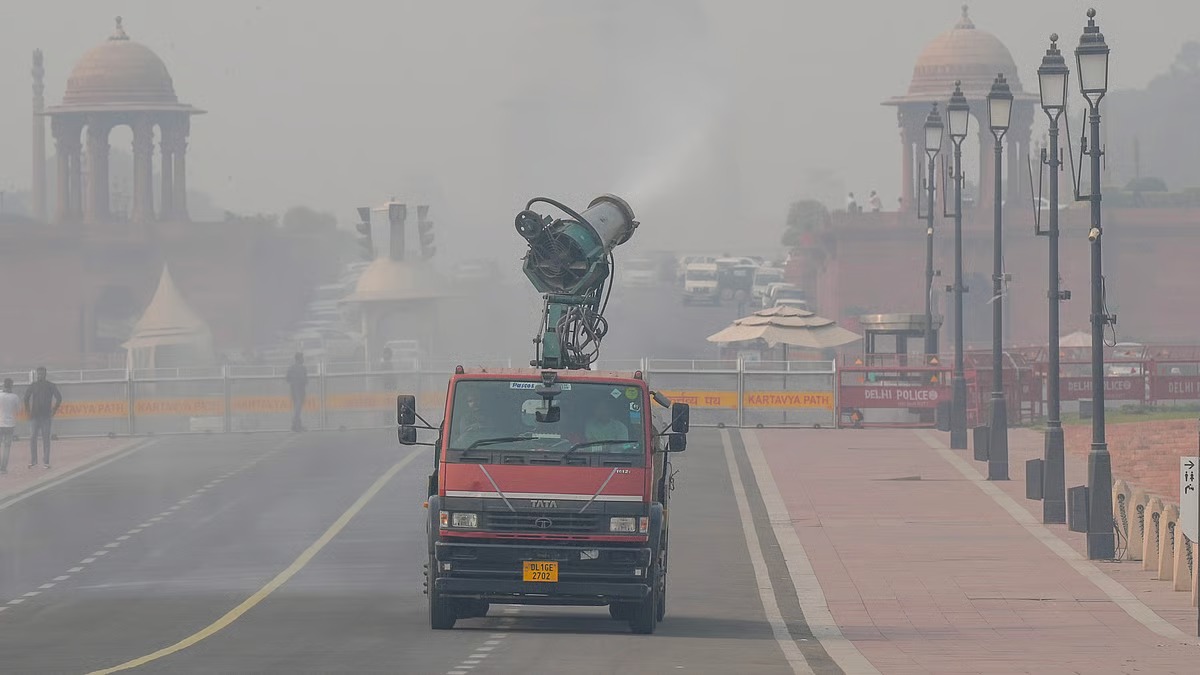
India’s air pollution crisis persists because it rarely influences voter behavior. Politicians rely on short-term optics like smog towers and traffic restrictions, while fragmented governance and uneven public pressure dilute accountability. Without electoral incentives, long-term structural reforms remain sidelined despite severe health and environmental consequences.
Context
Air pollution in India has reached alarming levels, with Delhi and other northern cities frequently recording Air Quality Index (AQI) readings far above safe limits. Yet, despite the health risks, cleaning up the air has not become a political priority. Analysts argue that the issue lacks electoral salience, meaning politicians face little pressure to act decisively.
Key Highlights
-
Delhi’s AQI often spikes to levels 20–30 times higher than WHO standards, drawing global concern
-
Governance is fragmented across municipal, state, and central agencies, diffusing responsibility and slowing coordinated action
-
Quick fixes such as smog towers, water sprinkling, and odd-even traffic rules dominate headlines but fail to deliver lasting improvements
-
Public pressure is uneven: wealthier citizens insulate themselves with purifiers, while poorer communities lack the resources to protest or demand systemic change
-
Electoral incentives remain weak, as pollution does not directly sway voting patterns compared to issues like jobs, inflation, or caste based politics
Political Dynamics
Politicians prefer visible but temporary measures that signal responsiveness without imposing heavy costs on industries, agriculture, or transport. Structural reforms such as stricter emissions enforcement, crop residue management, or urban planning overhauls require long-term commitment and risk alienating powerful interest groups. This makes them politically unattractive despite their necessity.
Governance And Policy Gaps
India’s air quality management suffers from overlapping jurisdictions and weak accountability. Without a unified framework, enforcement remains inconsistent. Seasonal smog cycles trigger reactive measures, but once winter passes, momentum fades. This cyclical approach prevents sustained progress and leaves citizens vulnerable year after year.
Public Health And Economic Costs
Exposure to high levels of PM2.5 and other pollutants contributes to respiratory illnesses, cardiovascular problems, and reduced life expectancy. Children and the elderly are particularly at risk. Economically, pollution reduces productivity and increases healthcare costs, yet these burdens remain underweighted in political calculations.
What Lies Ahead
Unless air pollution becomes a stronger electoral issue, India’s leaders will continue to prioritize short-term optics over long-term solutions. Greater public awareness, transparent accountability, and cross-state coordination are essential to shift the political calculus and make clean air a genuine priority.
Sources: The Straits Times, The Hindu, DNA India