Lucknow is the undisputed "Kebab Capital of India," famed for its refined Awadhi cuisine. Centuries of royal patronage under the Nawabs perfected delicate, melt-in-the-mouth delicacies like the Galouti Kebab. Recently designated a UNESCO Creative City of Gastronomy, the city preserves traditional cooking techniques that remain a pillar of Indian culinary heritage.
Renowned for a centuries-old culinary tradition, the "City of Nawabs" remains the undisputed home of India’s most iconic and melt-in-the-mouth kebabs.
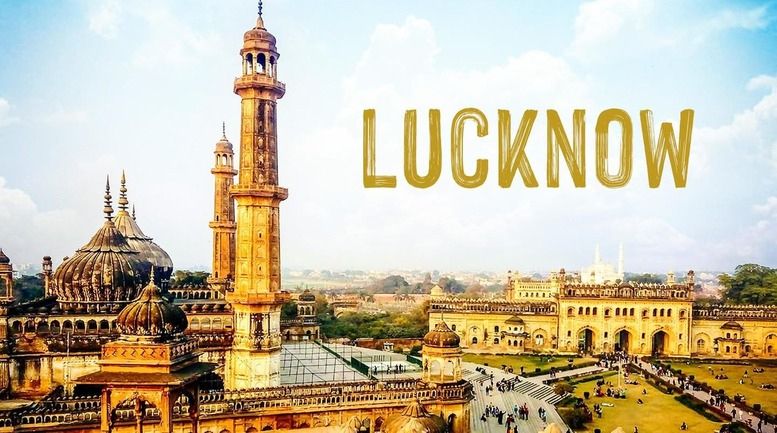
LUCKNOW — In the labyrinthine bylanes of Chowk and the bustling markets of Hazratganj, the air is perpetually thick with the aroma of charcoal and spice. Lucknow, the capital of Uttar Pradesh, stands as the unrivaled "Kebab Capital of India," a title earned through generations of royal patronage, culinary innovation, and a stubborn commitment to traditional techniques that have turned humble grilled meat into a global gastronomic treasure.
While kebab traditions are found across the Indian subcontinent—from the smoky tandoors of Punjab to the spice-forward preparations of Hyderabad—Lucknow’s Awadhi cuisine occupies a league of its own. It is defined not by overwhelming heat, but by a delicate, nuanced refinement that elevates the kebab from mere street food to a form of high art.
The Royal Roots of Refinement
The city’s kebab culture traces its origins to the opulent kitchens of the Nawabs of Awadh, who, as descendants of the Nishapur dynasty of Persia, brought with them a penchant for sophisticated, slow-cooked meals. Under their patronage, royal chefs—known as rakabdars—were encouraged to treat cooking as a creative pursuit equal to poetry or music.
The legendary Galouti Kebab, perhaps the city’s most famous contribution to the global culinary map, serves as the perfect case study. Folklore dictates that the dish was specifically created for a toothless Nawab who still craved his meat. Royal chefs responded by grinding the mutton into a silky, fine paste and using raw papaya—a natural tenderizer—to ensure the final product would literally melt on the tongue. This emphasis on texture and "melt-in-the-mouth" perfection remains the hallmark of the Lucknowi style.
Techniques That Define a Culinary Icon
Lucknow’s status as the Kebab Capital is supported by a mastery of distinct cooking methods that set it apart from other regions:
Dum Pukht: A slow-cooking technique where food is cooked in its own juices over low heat, allowing flavors to meld and intensify without losing moisture.
Sigri Grilling: The use of traditional coal-fired stoves, which impart a subtle, smoky depth to the kebabs that gas-powered methods cannot replicate.
Stone-Mashing: Traditional methods still rely on hand-mashing ingredients using heavy stones, preserving the texture of the meat and spices in a way that mechanical mincers often destroy.
"According to officials," the recognition of Lucknow by UNESCO as a "Creative City of Gastronomy" in October 2025 further solidified its place on the world stage, officially acknowledging that the city’s historic culinary practices are not just past relics, but living, breathing traditions that continue to shape Indian cuisine today.
Why It Matters
For food travelers and cultural enthusiasts, Lucknow represents the pinnacle of "Ganga-Jamuni tehzeeb"—the unique fusion of Persian, Mughal, and local Indian influences. Unlike the fiery or robust versions found elsewhere, Lucknow’s kebabs offer a masterclass in balance and subtlety. The preservation of secret spice blends, often passed down through families of rakabdars for centuries, ensures that the city’s kebab scene remains an authentic time capsule of a bygone royal era.
Key Facts at a Glance
Culinary Identity: Lucknow is recognized as a UNESCO Creative City of Gastronomy for its historic and ongoing influence on Indian cuisine.
Signature Dishes: The city is synonymous with Galouti, Kakori, Shami, and Boti kebabs.
Secret Blends: Traditional recipes often incorporate over 100 spices, kept as closely guarded family secrets by master chefs.
Iconic Landmarks: Establishments like Tunday Kababi in the old quarter are considered pilgrimage sites for food lovers worldwide.
FAQ
What makes Lucknow’s kebabs different from others?
Lucknowi kebabs focus on refinement, delicate spicing, and a soft, melt-in-the-mouth texture rather than intense heat or heavy charring.
Who perfected the legendary Galouti Kebab?
Legend attributes the perfection of the Galouti Kebab to Haji Murad Ali, the founder of Tunday Kababi, who created it for the aging, toothless Nawab Asaf-ud-Daula.
Is it only about meat?
While meat-based kebabs are the city's primary ambassadors, the Lucknowi tradition has evolved to include vegetarian versions, such as the Subz Galouti, which use similar slow-cooking techniques and spice profiles.
Source: NDTV Food, UNESCO Creative Cities Network, National Geographic