




Loading market data...
ADVERTISEMENT

Latest Top News
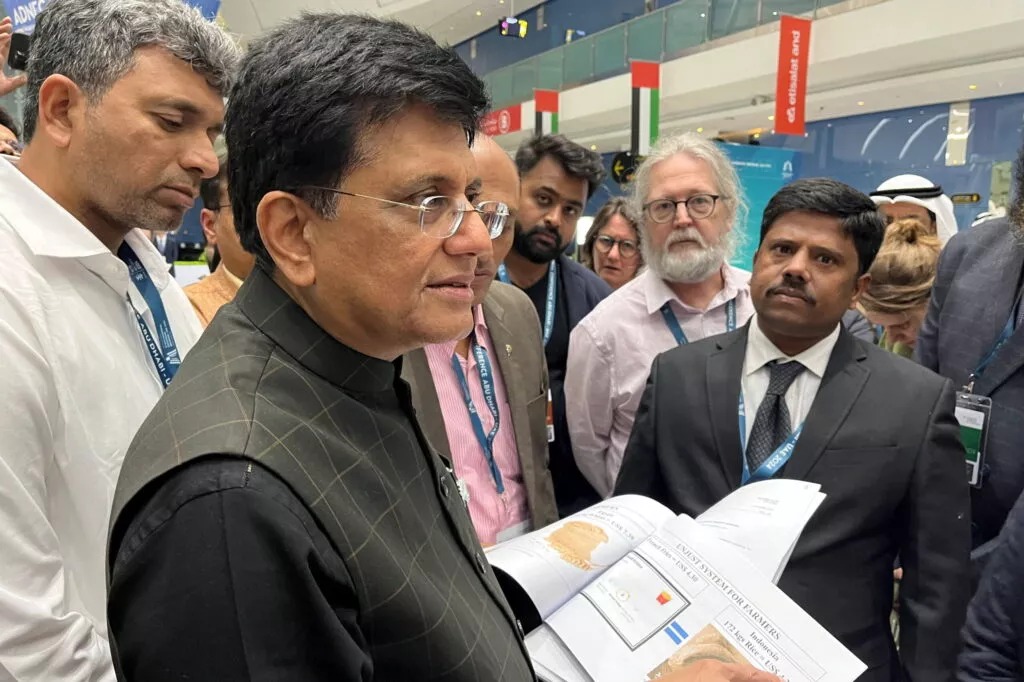
The Power Of No: India Challenges WTO’s Investment Facilitation Framework
India opposed the WTO’s Investment Facilitation for Development (IFD) pact, with Commerce Minister Piyush Goyal asserting that the agreement undermines multilateral principles and could restrict policy space for developing nations. This marks India as the only country to reject the deal.
Stay Ahead – Explore Now! Indian VCs Redirect AI Portfolios to US Startups for Higher Returns
ADVERTISEMENT

Latest Updates

Haryana Urges Private Sector to Adopt Work-From-Ho...
16 Jun 2026, 11:37 AM
UPSC Declares Civil Services Prelims 2026 Results
16 Jun 2026, 11:30 AM
Highway Infrastructure Limited Contract Terminated...
16 Jun 2026, 11:27 AM
Neeraj Chopra to Make Competitive Return at Doha D...
16 Jun 2026, 11:07 AM
Marine Electricals Bags Contracts Totaling ₹763.8...
16 Jun 2026, 11:04 AMADVERTISEMENT

Top Stories
Haryana Urges Private Sector to Adopt Work-From-Ho...
16 Jun 2026, 11:37 AM
UPSC Declares Civil Services Prelims 2026 Results
16 Jun 2026, 11:30 AM
Highway Infrastructure Limited Contract Terminated...
16 Jun 2026, 11:27 AM