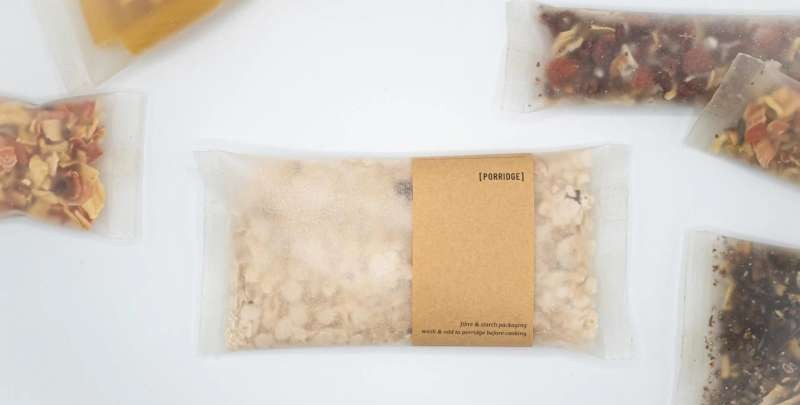
In a pioneering move towards sustainability, the packaging sector is adopting a new-fangled solution: edible seaweed packaging. Not only does this new method help eliminate plastic waste, but it also provides customers with the novel experience of eating their packaging as they eat their food. Se...
In a pioneering move towards sustainability, the packaging sector is adopting a new-fangled solution: edible seaweed packaging. Not only does this new method help eliminate plastic waste, but it also provides customers with the novel experience of eating their packaging as they eat their food. Seaweed, which is a rapidly growing and renewable material, is being utilized to produce edible and biodegradable packaging materials that are set to revolutionize how we perceive packaging.
The Issue with Conventional Packaging
Conventional plastic packaging has been a primary source of pollution in the environment, with millions of tons dumped into landfills and oceans annually. Plastic sachets, which are used to hold condiments among other products, are especially at issue because of their tiny size and non-recyclability. This has prompted a worldwide movement to seek out sustainable substitutes for plastic that can match functionality.
Seaweed: The Sustainable Alternative
Seaweed presents a strong solution to this issue. It is a very renewable crop that grows very quickly, frequently at rates of up to 60 cm per day, without the need for freshwater, fertilizers, or pesticides. This makes it a perfect substitute for land crops utilized in bioplastics, which frequently compete with agricultural land and resources. Seaweed takes in CO2 and emits oxygen, which aids in carbon sequestration and assists in the fight against climate change.
Innovations in Seaweed Packaging
A number of companies are leading the way in creating seaweed-based packaging. A London startup, Notpla, developed a seaweed-coated fast-food pack, replacing plastic coats. Evoware, an Indonesian company, makes a series of edible and biodegradable products such as seasoning sachets, burger wraps, and flavored cups. Sway, which is based in California, provides home-compostable alternatives to single-use plastics and is built on the dynamics of a circular economy.
Advantages of Seaweed Packaging
Seaweed packaging has a number of advantages compared to conventional plastics:
Biodegradability: Seaweed packaging biodegrades in weeks naturally without any residual harm or microplastics.
Edibility: Certain types of seaweed packaging are edible, so people can eat the food and the package without waste generation.
Sustainability: Seaweed is grown without taking land, freshwater, or fertilizers, so its environmental impact is minimized.
Antimicrobial Properties: Seaweed has natural antimicrobial agents that can be used to extend shelf life and improve food safety.
Challenges and Solutions
Seaweed packaging is a promising solution, but there are some challenges to be overcome. Durability is one of the main challenges; seaweed-based materials tend to be less strong and resilient than traditional plastics. This is being addressed by scientists through the creation of hybrid materials, where seaweed is blended with other polymers to enhance strength and resilience.
Another is scalability. Global demand for packaging means mass seaweed cultivation, which must be achieved sustainably to prevent disturbing marine ecosystems. Advances in AI-powered satellite imaging and subsea sensors are assisting in maximizing seaweed growth and harvesting to achieve greater yields with less environmental footprint.
The Future of Seaweed Packaging
As consumers continue to seek out sustainable products, growth in the uptake of seaweed packaging is anticipated. Regulatory structures, including EU and Canadian bans on single-use plastics, are compelling businesses to move towards biodegradable and compostable packaging. Seaweed packaging is set to contribute significantly to this transition, with brands being given a competitive edge that resonates with conscious consumers.
India's Emerging Role
India, with its long coastline and varied seaweed species, is poised to become a key player in the seaweed packaging market. Indian startups such as Zerocircle and Sea6 Energy are leading the way in creating eco-friendly seaweed-based packaging solutions. Zerocircle produces industrial packaging materials from sustainably cultivated seaweed, while Sea6 Energy is working on automating ocean farming to make sustainable harvesting and replanting possible.
Conclusion
The increase of seaweed packaging is a key turning point towards sustainability in packaging. With the help of products that have biodegradable, edible wraps, customers can actively help lower plastic waste and contribute to environmental preservation. With improving technology and economies of scale, seaweed packaging will soon be a mainstream choice, providing a cleaner, greener future for generations to come.
Source: Sustainable Packaging News Network