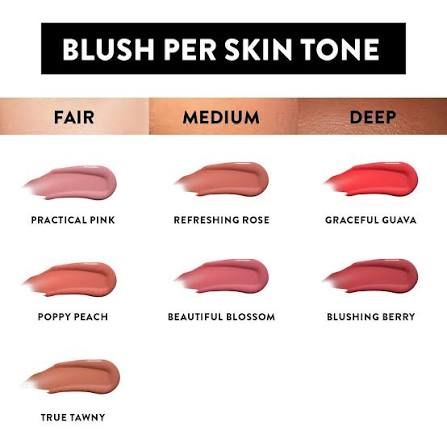
Beauty experts highlight that selecting the right blush requires matching formulas to specific skin types—such as creams for dry skin and powders for oily skin—while coordinating shades with natural undertones to ensure a seamless, daylight-friendly glow.
Beauty experts reveal that choosing the right blush formula and shade depends heavily on individual skin types and undertones.
Achieving a natural, healthy glow involves much more than picking a trendy color off a retail shelf. According to recent beauty and cosmetic guides published by industry professionals, finding the ideal blush requires careful consideration of individual skin biology, texture, and seasonal changes. Dermatologists and makeup artists emphasize that mismatched formulas can cause cosmetics to look patchy, chalky, or slide off prematurely. Understanding whether skin leans oily, dry, or combination dictates whether a liquid, cream, gel, or powder formulation will deliver seamless, long-lasting wear throughout the day.
Matching Formulas to Complexion Needs
Selecting a product that harmonizes with a specific skin type ensures smooth application and prevents common makeup pitfalls.
Dry Skin Solutions: Cream and liquid blushes infused with hydrating agents like shea butter or hyaluronic acid melt smoothly into dry complexions, offering a dewy, non-cakey finish.
Oily Skin Management: Traditional powder blushes work best for oilier skin types by absorbing excess sebum and locking color in place without sliding.
Undertone Coordination: Warm golden and olive undertones match best with peach, terracotta, and warm coral pigments, while cool undertones pop with soft pinks, mauves, and berry hues.
Practical Implications for Everyday Beauty Consumers
Navigating cosmetic vanity kits with skin science in mind saves consumers from purchasing incompatible products. Beauty specialists note that natural daylight drastically alters how pigments appear on the skin compared to indoor lighting, making correct shade and texture matching essential for daily wear. By aligning product choices with actual physiological needs, makeup wearers achieve a more effortless, naturally radiant flush.
Why It Matters
For everyday consumers building a functional vanity kit, understanding skin compatibility prevents wasted purchases and makeup application errors. Tailoring blush selections to specific skin types ensures a longer-lasting, natural finish that enhances features without emphasizing texture or dryness.
Key Facts at a Glance
Core Principle: Blush effectiveness is determined by skin type, texture, and underlying tones.
Dry Skin Preference: Cream and liquid tints provide necessary hydration and dewy radiance.
Oily Skin Preference: Powder variants provide mattifying control and extended wear.
Daylight Impact: Natural sunlight intensifies pigment visibility, requiring balanced application.
Frequently Asked Questions
Why does my blush look different outdoors compared to indoors?
Natural sunlight reveals true color saturation and undertones much more clearly than indoor lighting, often making heavily pigmented or glittery blushes appear much stronger.
Which blush formula works best for dry skin?
Cream, gel, and liquid blushes are ideal for dry skin because they blend seamlessly and add a hydrated, dewy finish without clinging to flaky patches.
How do I choose the right blush shade for my undertone?
Warm undertones look best with peach, terracotta, and warm coral, while cool undertones are complemented by soft pinks, berries, and mauves.
Source: Nykaa, BeBeautiful, Patrick Ta