Mumbai Customs officers at Chhatrapati Shivaji Maharaj International Airport successfully intercepted a wildlife smuggling attempt on August 8, 2025, arresting a passenger arriving from Bangkok with a suitcase harboring live exotic animals illegally brought into India. The seizure highlights ongo...
Mumbai Customs officers at Chhatrapati Shivaji Maharaj International Airport successfully intercepted a wildlife smuggling attempt on August 8, 2025, arresting a passenger arriving from Bangkok with a suitcase harboring live exotic animals illegally brought into India. The seizure highlights ongoing concerns over illegal wildlife trafficking via air travel and the active enforcement of India’s wildlife protection laws.
Key Highlights: Incident Overview and Species Seized
The arrested individual, Sharukkhan Mohammed Hussain, was detained following a tip-off and thorough inspection of his dark grey trolley bag after arriving on an IndiGo flight from Bangkok.
Customs officials uncovered two kinkajous, also known as honey bears—arboreal mammals native to Central and South American rainforests, recognized for their rarity and protected status under Appendix III of the Convention on International Trade in Endangered Species (CITES).
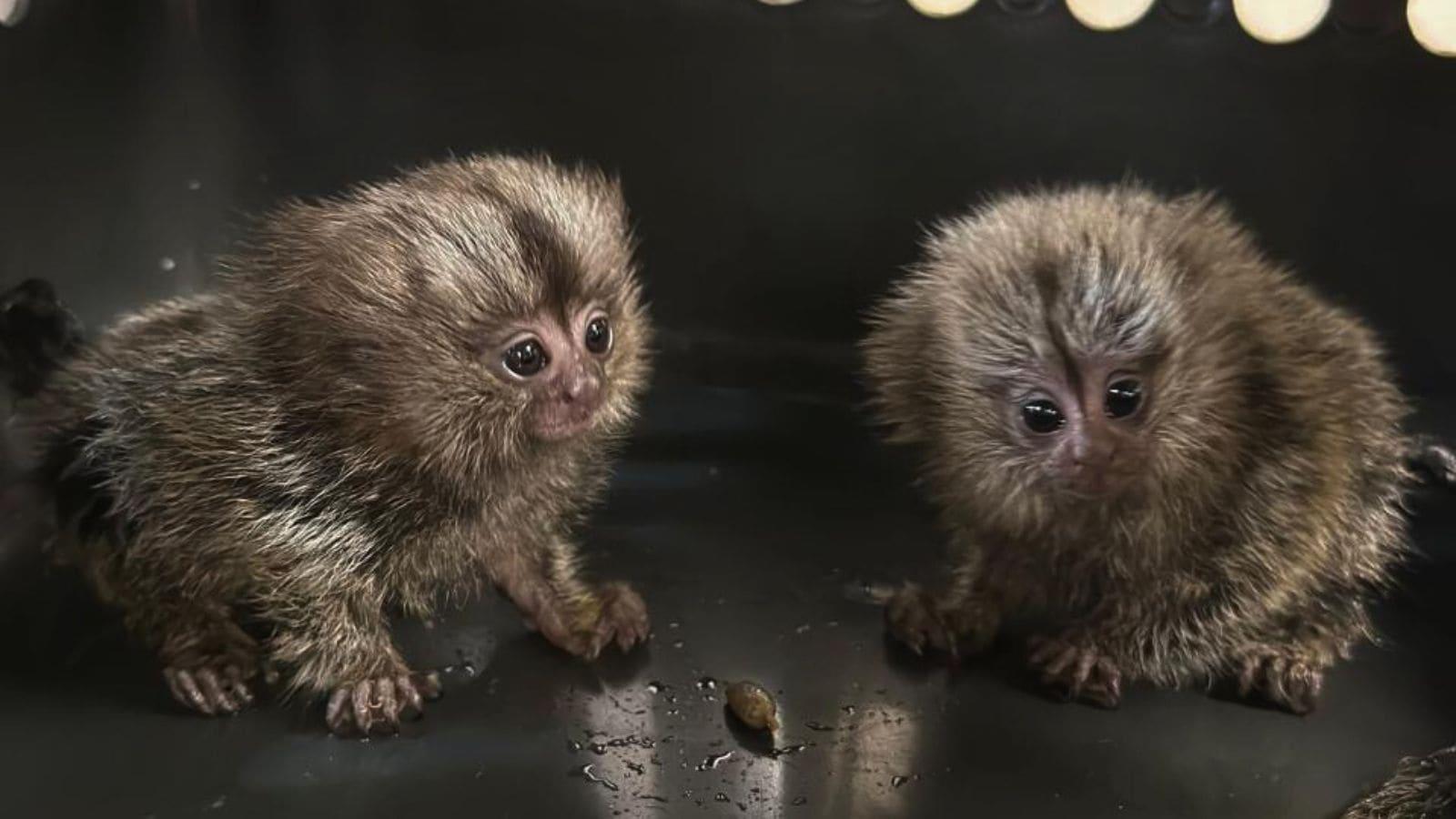
Additionally, two pygmy marmosets—the world’s smallest monkey species native to South America and listed under Appendix II of CITES and Schedule IV of the Wildlife (Protection) Act, 1972—were found concealed along with 50 live albino red-eared slider turtles, a distinctive pale-color variant of a common aquatic turtle, though not currently listed under CITES.
All animals were found alive, concealed in a manner intended to evade detection, underscoring the passenger’s intent to smuggle protected wildlife.
Legal Framework and Enforcement Actions
The passenger has been charged under the Customs Act, 1962, coupled with the Wildlife (Protection) Act, 1972, which regulate the illegal import and trade of wildlife species and provide for severe penalties.
The case was handled in close coordination with the Wildlife Crime Control Bureau (WCCB) and wildlife rescue experts from the Resqink Association for Wildlife Welfare (RAWW), ensuring proper handling and welfare of the seized animals.
Immediate directions were issued to repatriate the animals safely back to Bangkok following protocols prescribed by CITES and national laws, preventing illegal trade from being facilitated through Indian airports.
This interception reflects Mumbai Customs’ intensified crackdown efforts against wildlife smuggling amidst rising global challenges in preserving biodiversity and curtailing illicit wildlife trade networks.
Context of Wildlife Trafficking at Mumbai Airport
Mumbai Customs Zone-III has actively thwarted multiple wildlife smuggling attempts in the past six months involving other threatened species such as meerkats, star tortoises, siamang gibbons, and exotic reptiles, reflecting a pattern where international flights from Southeast Asia serve as major trafficking routes.
These operations significantly contribute to India’s commitments under wildlife conservation conventions and national objectives to protect endangered species and biodiversity.
The seizures expose how traffickers exploit transit hubs, packing live animals in luggage using illicit concealment methods to smuggle them out for exotic pet trade, medicinal use, or other illegal markets.
Broader Implications and Future Directions
This incident underscores the importance of vigilant customs screening, intelligence-based operations, and inter-agency cooperation to combat illegal wildlife trade.
It highlights the need for continued awareness raising among travelers, stricter regulatory compliance, and enhanced technological tools at points of entry.
Mumbai Customs aims to sustain and strengthen enforcement to protect threatened species, supporting India’s broader environmental conservation goals and international biodiversity commitments.
In summary, the Mumbai airport officials’ successful interception of rare and endangered animals—including the world’s smallest monkey, the honey bear, and exotic turtles—foils yet another illicit wildlife trafficking attempt. The arrests and recoveries emphasize a steadfast law enforcement response safeguarding India’s ecological heritage from illegal smuggling networks operating through international air travel.
Sources: Times of India, NDTV, Financial Express