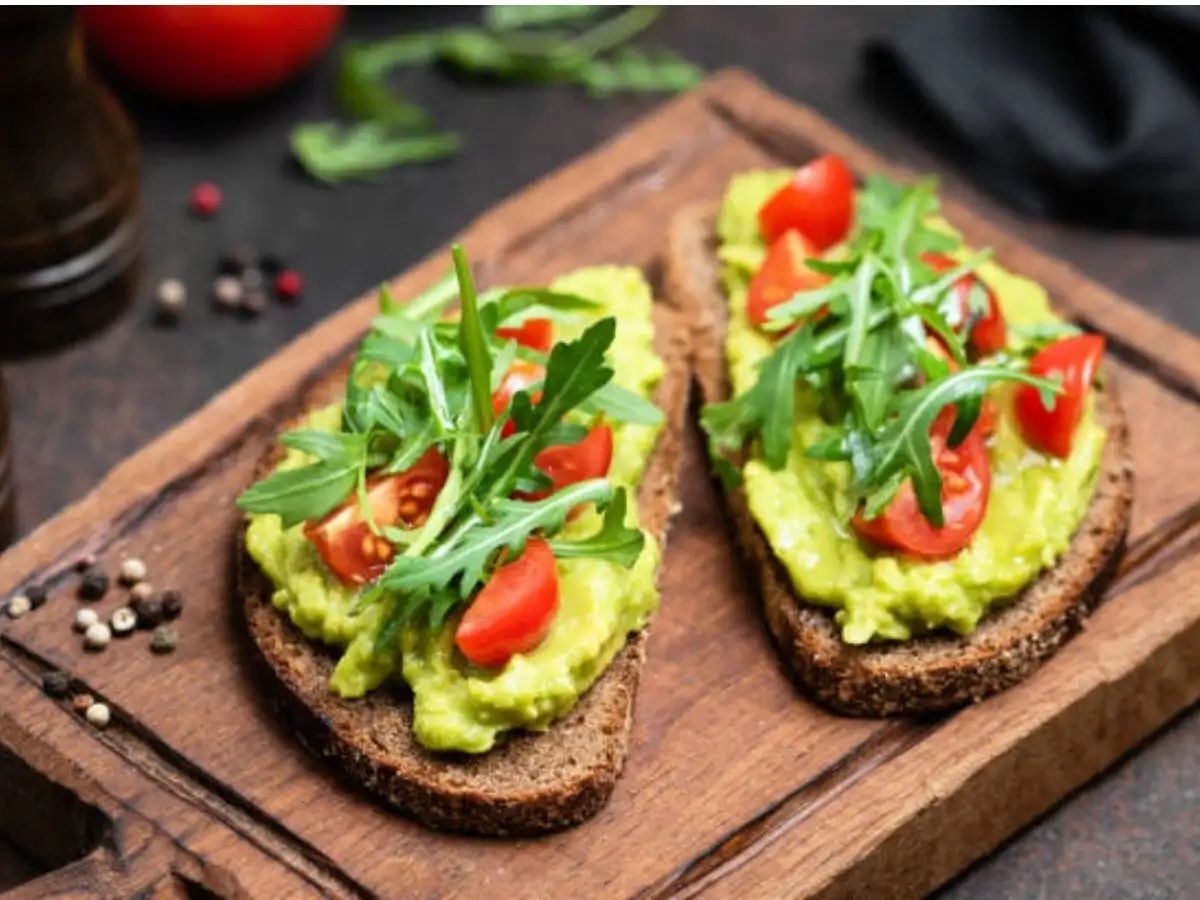
Viral commentary by a Bengaluru content creator highlights how Gen Z frequently splurges on small luxuries like Rs 500 avocado toast while remaining priced out of traditional housing markets. Market studies attribute this trend to the economic "lipstick effect," where youth prioritize immediate quality-of-life treats over unattainable long-term assets.
Analyzing viral social commentary and economic data, financial analysts reveal that young urban professionals favor immediate lifestyle indulgences because traditional milestones like homeownership have grown out of reach.
As housing costs escalate across metropolitan centers in India, a viral social media debate initiated by Bengaluru-based content creator and marketer Ishan Sharma has cast a sharp spotlight on contemporary youth consumption. The discussion addresses a prominent paradox: why many Generation Z professionals comfortably splurge on lifestyle treats such as a Rs 500 avocado toast or artisanal matcha while remaining unable to purchase major assets like a home or a car. According to consumer behavioral analyses and economic reports published in September 2026, this spending behavior reflects a calculated psychological adaptation to modern economic pressures rather than mindless extravagance.
Evaluating Urban Cost Pressures, the 'Lipstick Effect', and Consumer Psychology
Analyzing the financial reality facing young metropolitan earners reveals a widening gap between average salaries and real estate valuations. According to market insights and sociological studies released in September 2026, core factors driving these consumption patterns include:
The Real Estate Income Gap: Industry data indicates that the average cost of residential property in Tier-1 Indian cities now runs roughly 30 times the average annual entry-level salary, compared to a much lower 10-to-12-fold ratio for previous generations.
The 'Lipstick Effect' Phenomenon: In challenging economic climates where major capital investments seem mathematically impossible, consumer spending shifts away from big-ticket items toward modest, affordable indulgences.
Coping with Economic Uncertainty: Surveys from market research firms like PwC and NCSolutions indicate that small treats—ranging from specialty coffees to scented candles—serve as accessible psychological stress relievers and micro-motivators.
Redefining Success Metrics: With traditional markers of financial adulthood postponed or deferred, younger consumers increasingly prioritize experiential gratification that enhances their immediate quality of life and digital presence.
Why It Matters
The practical implications of understanding Gen Z spending habits shed light on broader structural shifts in urban economies, retail marketing, and real estate accessibility. For young citizens navigating high cost-of-living environments, prioritizing experiential spending provides mental health relief amidst financial stagnation. For businesses and investors, recognizing the pivot toward affordable indulgences helps explain resilient demand in food-service, café, and wellness sectors even as durable goods markets fluctuate.
Key Facts at a Glance
The Core Paradox: Gen Z frequently purchases high-end lifestyle items like avocado toast while deferring major capital investments.
Property Cost Multiplier: Real estate in Tier-1 Indian cities currently averages roughly 30 times an average annual salary.
Behavioral Driver: The economic "lipstick effect" motivates consumers to redirect savings from unattainable assets toward affordable micro-luxuries.
Psychological Role: Small treats function primarily as stress relievers and accessible psychological rewards during periods of economic tightening.
FAQ Section
Why do young professionals spend money on avocado toast instead of saving for a house?
With real estate prices in Tier-1 cities multiplying far faster than entry-level salaries, traditional milestones like homeownership seem mathematically unattainable, prompting youth to spend on immediate lifestyle comforts instead.
What is the 'lipstick effect' in consumer spending?
The lipstick effect is a well-documented economic phenomenon where consumers forgo expensive capital purchases during financially challenging times and instead spend modest amounts on affordable luxuries.
Is Gen Z's spending on cafes and dining out considered mindless?
Market studies show that these purchases are rarely reckless; rather, they act as psychological stress relievers and coping mechanisms against broader economic uncertainties.
How do current property prices compare to past generations for young buyers?
While older generations faced housing costs roughly 10 to 12 times their annual salary, modern urban workers face property valuations exceeding 30 times their annual earnings.
Where can readers find the full analysis on urban spending habits?
Detailed commentary and consumer trend breakdowns are accessible via The Economic Times Panache Portal.
Source: The Economic Times Panache, PwC Consumer Insights, NCSolutions Retail Data