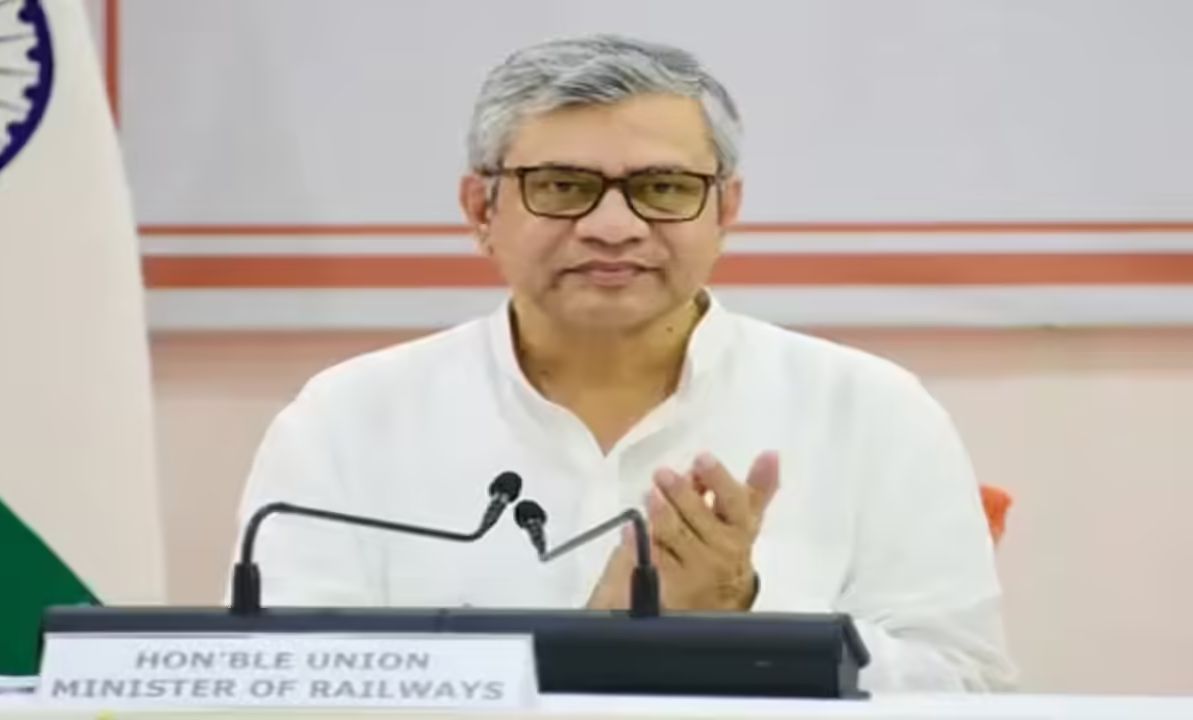
Union Railway Minister Ashwini Vaishnaw reviewed the RRB recruitment process, confirming that Indian Railways hired 43,781 candidates in FY 2025-26 against 47,084 vacancies. To accelerate future cycles, Vaishnaw mandated the expansion of tablet-based examinations and ordered recruitment boards to establish direct, active communication channels to counter misinformation.
NEW DELHI — One of the world's largest transport employers has successfully executed a massive expansion of its frontline operations. Indian Railways has formally recruited 43,781 candidates during the 2025-26 fiscal year, establishing a technology-driven blueprint to stabilize railway logistics and civilian transport networks across the country.
Reviewing the high-volume operational data during a centralized high-level convention with senior officials, Union Minister for Railways Ashwini Vaishnaw confirmed that the finalized appointments successfully filled the vast majority of the 47,084 vacancies advertised by the regional Railway Recruitment Boards (RRBs). This development is exceptionally critical today as the ministry aggressively scales up train speeds, rolls out advanced rolling stock like Vande Bharat configurations, and modernizes regional track safety assets, which demand a highly skilled, immediate deployment of tech-literacy technicians, locomotive crews, and security staff.
Breakdown of the Mass Onboarding Campaign
The completed recruitment phase directly strengthens the national carrier's core technical and field safety infrastructure across six distinct public service fields.
According to comprehensive administrative charts released by the Press Information Bureau (PIB), the single largest focus was the onboarding of Assistant Loco Pilots (ALPs), followed closely by certified industrial technicians. By moving these thousands of trained professionals straight into active line operations, Indian Railways is actively targeting localized locomotive fatigue and reducing technical maintenance turnaround windows at major roundhouses.
Overhauling the Examination Landscape via Tablet Upgrades
A primary directive arising from Minister Vaishnaw's evaluation is the mandatory acceleration of next-generation evaluation platforms to eliminate institutional testing delays.
Shifting Internal Testing and Public Exams to Smart Devices
Administrative logs show that while traditional pen-and-paper assessments have been phased out in favor of standardized Computer-Based Tests (CBTs), the ministry is now pushing for deeper mobility.
According to technical expansion frameworks detailed by the Ministry of Railways, the upcoming systemic updates focus on:
The Tablet Mandate: Moving departmental promotional exams and smaller public testing windows to secure, specialized tablet-based environments to bypass massive computer center requirements.
15-Language Inclusion: Ensuring all upcoming public examination portals provide smooth, parallel functionality across 15 recognized domestic languages to maintain absolute regional fairness.
The Annual Recruitment Calendar: Embedding highly predictable quarterly vacancy notices so that lakhs of youth can map their career preparations over clear timelines without dealing with multi-year scheduling delays.
Fighting Fake Bulletins: Establishing direct, real-time communication channels via official RRB sites to systematically squash unauthorized exam notices and fraudulent placement agencies operating online.
Ongoing Influx: Millions of Aspirants in the Testing Pipe
The ministry further verified that the next wave of hiring is already running in parallel, with over 32,000 baseline vacancies entering formal processing phases.
According to ongoing examination updates archived by The Times of India, several massive testing windows are locked in for the coming weeks. Crucial milestones include the official RRB Junior Engineer CBT-2 phase starting on July 2, 2026, followed closely by the highly competitive Non-Technical Popular Categories (NTPC) Graduate level CBT-2 on July 10, 2026. Given that the upcoming NTPC undergraduate testing phase alone is projected to bring in roughly 25 lakh applicants, the minister stressed that maintaining flawless digital architecture across multiple shifts is non-negotiable.
Strategic Infrastructure Integrity
The central board stated that stabilizing the core workforce is the only viable path to executing the country's sweeping rapid-transit goals.
"According to statements issued by the Ministry of Personnel, Public Grievances and Pensions, the deployment of structured, merit-based automated screening engines across Indian Railways sets an incredible benchmark for public sector operational integrity. It effectively transforms a massive, multi-city logistical challenge into a highly predictable talent acquisition channel."
The review meeting concluded with instructions sent to all zonal recruitment chairs to speed up document verification schedules for non-typing categories. The minister reiterated that as the national transport framework modernizes, the speed of hiring must match the speed of physical track expansion.
Why It Matters
For young job seekers and millions of technical graduates nationwide, this modernization provides unprecedented predictability for public service employment. The elimination of ambiguous scheduling through the annual recruitment calendar helps candidates optimize their study periods, while multi-lingual support removes geographic barriers, ensuring that a talented applicant from any background gets an equal shot at a secure railway career.
For everyday rail commuters and commercial logistics firms, these massive recruitment numbers translate directly to improved network safety and transit reliability. Injecting over 17,000 locomotive crew members and thousands of specialized maintenance technicians into the workforce drastically reduces human error, cuts down train delay frequencies, and allows the railway system to safely manage the continuous traffic growth required by India's expanding industrial hubs.
Key Facts at a Glance
Massive Personnel Influx: Indian Railways successfully empanelled 43,781 new personnel during the 2025-26 fiscal cycle across six core operation streams.
Locomotive Safety Focus: The largest hiring cohort was dedicated to Assistant Loco Pilots, adding 17,193 certified crew members to train operations.
Tablet Testing Expansion: Minister Ashwini Vaishnaw has directed recruitment boards to transition exam models toward mobile tablet testing systems to accelerate processing.
Critical Exam Timelines Set: Major high-volume examinations are locked in for July 2026, including the specialized Junior Engineer and NTPC Graduate Level CBT-2 stages.
Frequently Asked Questions (FAQ)
Which specific employment categories saw the largest intake during this hiring wave?
The vast majority of placements went straight into technical field roles, led by 17,193 Assistant Loco Pilots (ALPs) and 13,416 industrial workshop technicians.
How are the upcoming examinations addressing language diversity across different states?
All primary computer-based tests are fully configured and conducted across 15 distinct Indian languages, ensuring comprehensive accessibility for applicants regardless of their native linguistic background.
What steps are being taken to combat unauthorized exam news and recruitment scams?
The Railway Minister has instructed all RRBs to deploy dedicated digital notification channels that instantly counter fake announcements with verified data, maintaining transparency for all applicants.
Official Sources Section: