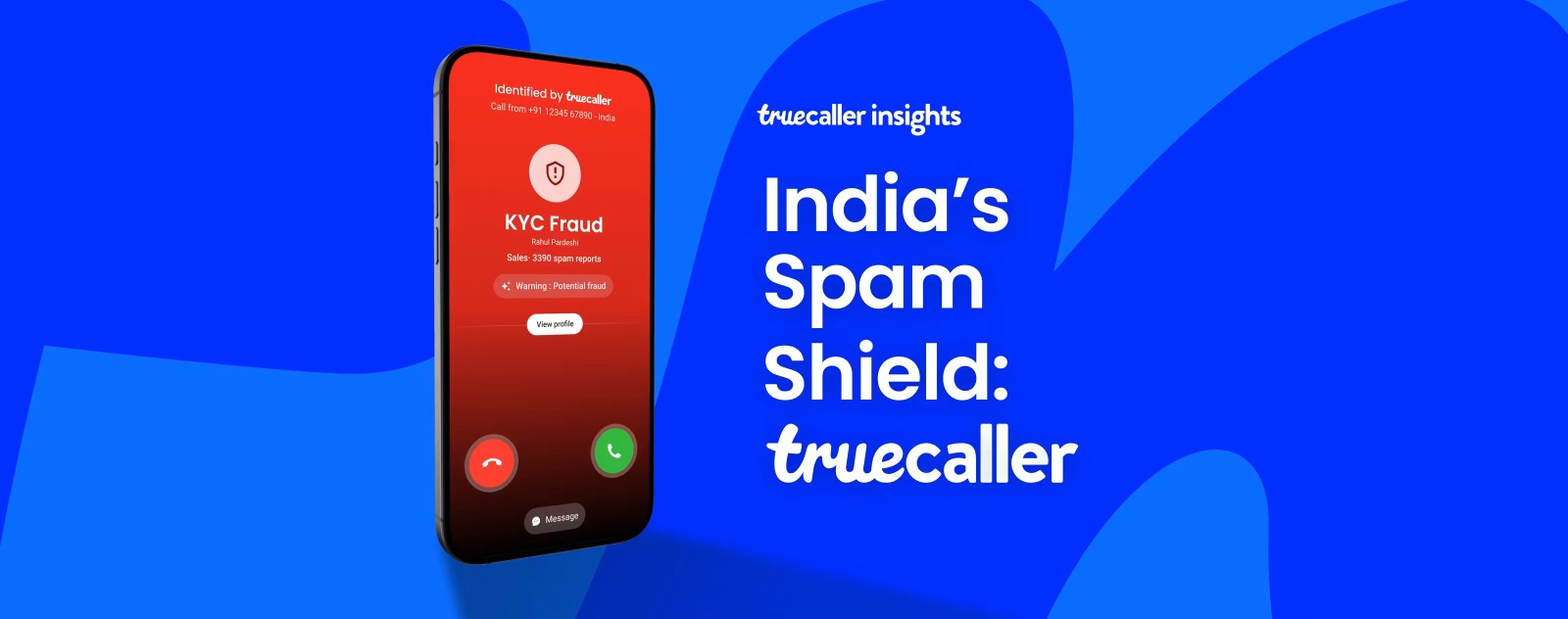
Truecaller CEO Alan Mamedi revealed that 5.25 lakh Indian users flag numbers from the 1600 and 140 series as spam everyday. The high volume of daily reports shows that companies are using transaction-focused lines for promotional sales, creating challenges for caller ID systems trying to protect important alerts.
NEW DELHI, India — Global caller identification platform Truecaller reported that approximately 5.25 lakh Indian users are flagging calls originating from the newly introduced 1600 and 140 number series as spam everyday. Speaking during an industry technical presentation on Friday, July 10, 2026, Truecaller Chief Executive Officer Alan Mamedi highlighted that despite structural government efforts to segregate commercial telemarketing networks, crowd-sourced user reports reflect persistent consumer resistance to unrequested cold calls.
This massive volume of crowd-sourced spam reporting underscores the scale of telemarketing challenges in India's digital ecosystem, occurring just months after regulatory watchdogs set up dedicated number series to separate official corporate services from fraudulent calls.
Regulatory Framework of the 1600 and 140 Allocations
The 1600 and 140 prefixes were structurally assigned under the directives of the Telecom Regulatory Authority of India (TRAI) to bring transparency to commercial phone communication. According to telecommunication rules, the 140 series is explicitly reserved for standard telemarketing, promotional ads, and sales pitches from registered financial corporations.
In contrast, the newer 1600 number series was specifically created to handle official, operational calls, such as one-time passwords (OTPs), bank transaction balance alerts, flight updates, and automated delivery notifications.
Despite these clear guidelines, Truecaller's platform data shows that many firms are using the operational 1600 series to make aggressive marketing calls. As a result, users are widely flagging these official lines as spam, which risks hiding important transactional alerts.
Algorithmic Adjustments and Database Realignment
The reality of 5.25 lakh people flagging calls from the new series every single day has forced independent digital management applications to adjust their spam detection models. Truecaller's engineering team confirmed they are updating their verification algorithms to protect genuine institutional communications.
If a bank's transactional 1600 number is repeatedly reported as spam due to an unauthorized marketing campaign, the system could mistakenly block critical security alerts for thousands of other customers.
To prevent this, the network is encouraging businesses to adopt its "Verified Business Caller ID" protocol. This system requires firms to upload valid corporate identification, state the explicit purpose of their calls, and use distinct numbers for marketing versus operational messages before linking to the broader system database.
Impact on Consumers and Commercial Businesses
For everyday mobile users, the continuous wave of promotional calls causes significant communication fatigue. Many citizens now systematically decline any calls containing these prefixes, which means they regularly miss valid time-critical updates regarding their deliveries or accounts.
For enterprises, the lack of strict division between their sales and service calling units damages their communication success rates. When corporate calls are marked with a red spam warning badge on consumer phones, answer rates drop by over 60%. This decline disrupts supply chains and increases operational costs for client care centers nationwide.
Official Sources Section
The telemetry statistics, crowd-sourced database figures, and system update logs featured in this coverage are based directly on corporate communications from Truecaller AB and official number allocation manuals hosted by the Department of Telecommunications (DoT).
Quote Section
Discussing the current communication trends, Truecaller CEO Alan Mamedi stated:
"Our network metrics indicate that roughly 5.25 lakh people are flagging calls from the 1600 and 140 series as spam everyday in India. This high reporting volume shows that while separating numbers is a good regulatory step, firms must stop using operational lines for promotional marketing if they want to maintain customer trust."
Why It Matters
This development highlights that technical rules alone cannot solve telemarketing intrusion without strong enforcement. When legitimate operational channels are widely reported as spam, it weakens the reliability of the country's digital public infrastructure, forcing security teams to develop new verification methods.
Key Facts at a Glance
Daily Flags: Around 5.25 lakh individual users actively flag numbers from the new series as spam everyday.
Target Channels: The consumer reports specifically target the newly introduced 1600 and 140 communication prefixes.
Functional Roles: The 140 prefix handles promotional sales, while the 1600 series is reserved for transactional alerts.
System Implication: Widespread spam flags risk accidentally blocking vital messages like bank alerts and delivery updates.
FAQ Section
Why did the government introduce the 1600 and 140 number series?
TRAI introduced these prefixes to help citizens easily distinguish between promotional marketing calls (140 series) and necessary service alerts like transaction updates (1600 series).
Why are so many users flagging the 1600 series as spam?
Many businesses are violating regulatory guidelines by using their transaction-dedicated 1600 lines to make automated sales pitches, leading consumers to flag those numbers as spam.
What happens when an official number gets flagged by 5.25 lakh people?
High volumes of spam flags can cause caller ID systems to label the number with a red warning badge, which frequently leads to the accidental blocking of important transactional messages.
Source: Official operational briefing documents published on July 10, 2026, by Truecaller corporate communications and public documentation issued by the Telecom Regulatory Authority of India.