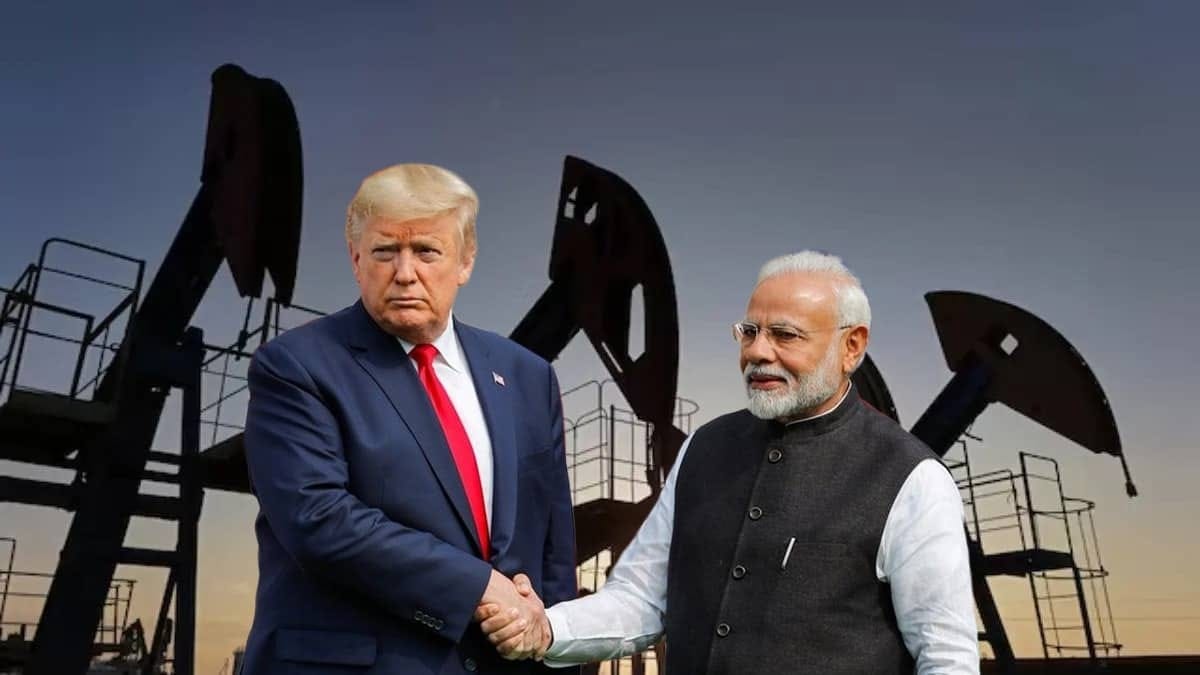
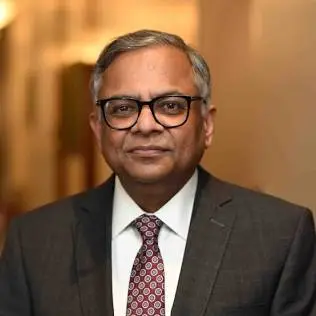
US Trade Adviser Peter Navarro confirmed that President Donald Trump and Prime Minister Narendra Modi will directly resolve potential tariff disputes regarding Russian crude purchases. The statement follows Senate passage of a discretionary 100% tariff bill targeting major Russian energy importers, which now awaits House review.
WASHINGTON — August 12, 2026 — United States President Donald Trump and Indian Prime Minister Narendra Modi will directly resolve bilateral trade tensions arising from Washington's proposed tariffs on top importers of Russian crude oil. White House Senior Counsellor for Trade and Manufacturing Peter Navarro confirmed during a media briefing in Washington on Tuesday, August 11, 2026, that both leaders maintain a strong personal working relationship to navigate the economic row. The statement follows the U.S. Senate's passage of the bipartisan Lindsey O. Graham Sanctioning Russia and Iran Act of 2026, which grants the executive branch discretionary authority to levy up to 100% tariffs on goods from major buyers of Russian energy, including India.
Senate Passes Sanctioning Bill Granting Tariff Discretion
The legislative initiative passed the U.S. Senate in an 86-11 vote, targeting nations that purchase significant volumes of Russian crude oil and natural gas. Under the provisions of the proposed framework, discretionary authority rests with the U.S. President to impose tariffs reaching 100% on trade partners deemed to be supporting Moscow's revenues.
| Legislative Feature | Details of the Senate Bill |
| Legislation Name | Lindsey O. Graham Sanctioning Russia and Iran Act of 2026 |
| Senate Vote Outcome | Passed 86–11; awaiting House of Representatives review |
| Maximum Discretionary Tariff | Up to 100% on top purchasers of Russian oil |
| Targeted Energy Importers | India, China, Azerbaijan, Hungary, and Slovakia |
Speaking to reporters, White House Trade Adviser Peter Navarro emphasized that senior executive officials would not intervene between the two heads of state. "The president and your prime minister have a very good working relationship. They are going to work that out amongst themselves, and it's not for me or any gaggle to get between that," Navarro stated.
Background and Impact on India's Crude Sourcing Strategy
India emerged as a primary buyer of discounted Russian crude following the 2022 European Union energy embargos, allowing Indian refiners to manage domestic inflation and stabilize energy supplies. Washington previously imposed additional trade penalties on selected Indian goods in August 2025 to pressure New Delhi's energy sourcing.
New Delhi has consistently maintained that its petroleum purchases are dictated by national interest, market availability, and energy security requirements. The Ministry of External Affairs and Indian diplomatic representatives continue to engage U.S. counterparts as the bill proceeds to the House of Representatives.
Trade Dependencies: Broad implementation of 100% duties could affect bilateral trade across pharmaceuticals, textiles, and engineering exports to the U.S.
Energy Security: Indian domestic refiners rely on seaborne crude imports to supply fuel networks and mitigate global price shocks.
Next Steps in U.S. Congress: The House of Representatives will review the legislation when it reconvenes on August 31, 2026, where lawmakers may consider specific exemption clauses.
Official Sources Section
Statements regarding bilateral negotiations and trade legislation were cited from White House press briefings, press announcements by U.S. Trade Adviser Peter Navarro, and legislative records published by the United States Senate. Additional trade data is monitored by the Ministry of External Affairs of India and the [suspicious link removed].
Quote Section
"The president and your prime minister have a very good working relationship. They are going to work that out amongst themselves, and it's not for me or any gaggle to get between that," stated White House Senior Trade Adviser Peter Navarro.
Why It Matters
The direct engagement between President Trump and Prime Minister Modi carries critical implications for international trade policy and global crude distribution. Resolution of the dispute protects domestic export industries from high tariff barriers while preserving energy sourcing strategies necessary for economic growth across South Asia.
Key Facts at a Glance
Direct Executive Negotiation: President Donald Trump and Prime Minister Narendra Modi will personally resolve the tariff row.
Senate Legislation: Senate passed the Lindsey O. Graham Sanctioning Russia and Iran Act of 2026 by an 86-11 margin.
Potential Maximum Duty: Grants discretionary authority for up to 100% tariffs on goods from major buyers of Russian energy.
Legislative Timeline: The bill moves to the U.S. House of Representatives for review after August 31, 2026.
FAQ Section
Why are US tariffs being proposed on Indian goods over Russian oil?
The proposed U.S. legislation targets major buyers of Russian oil to curtail Moscow's energy revenues, with provisions for up to 100% discretionary tariffs.
Has the 100% tariff on Russian oil buyers become active law?
No. The bill passed the U.S. Senate and requires approval from the House of Representatives before being signed into law, after which tariff implementation remains at executive discretion.
What is India's official stance on purchasing Russian crude oil?
India maintains that its oil purchases are guided strictly by national energy security, market availability, and consumer price stabilization.
Source: United States Senate, Ministry of External Affairs of India,