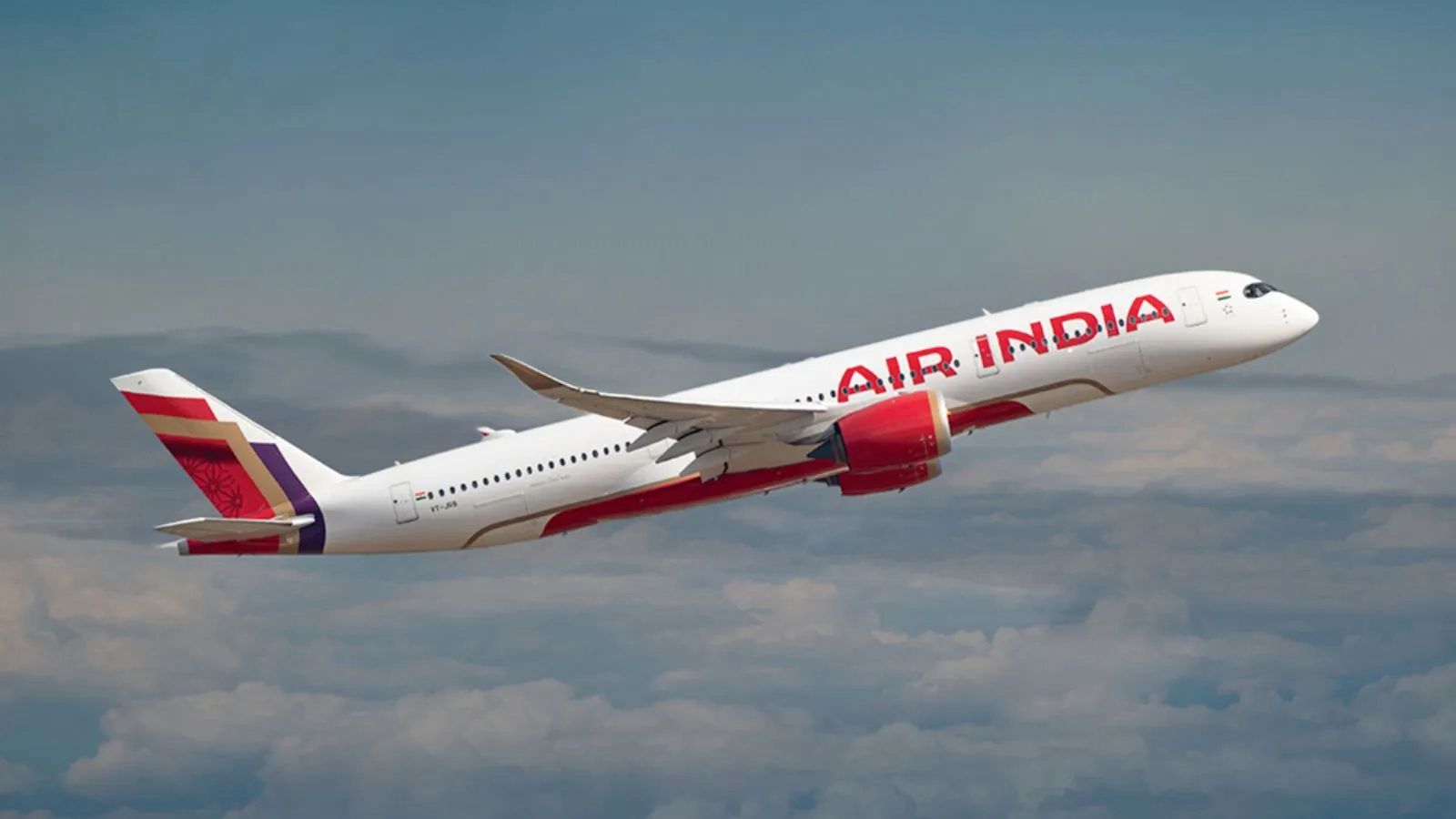
Air India Group experienced a 36% decline in international passenger carriage during the April-June quarter, according to DGCA data. The drop stems from the ongoing US-Iran conflict and prolonged Pakistani airspace restrictions. While domestic carriers faced significant headwinds, foreign airlines expanded their market share on India routes.
Backed by official regulatory disclosures in New Delhi, international passenger numbers have plummeted amid geopolitical conflicts and airspace restrictions.
Geopolitical Headwinds and Airspace Restrictions Impact Indian Carriers
The international operations of India's flagship carrier have encountered severe structural friction. According to Directorate General of Civil Aviation (DGCA) data released in August 2026, the Air India Group—comprising Air India and Air India Express—recorded a sharp 36% decline in international passenger carriage during the April-June quarter.
The combined entity carried 27.6 lakh international passengers to and from India during the first full April-June quarter since regional conflicts escalated, dropping significantly from 43.3 lakh passengers in the corresponding period of the previous year. Official industry disclosures indicate that this contraction forms part of a broader trend affecting domestic operators, with international passenger carriage across all Indian carriers falling by 26% over the quarter.
Compounding Pressures from Prolonged Routing Bans and Flight Rationalizations
The steep downward trajectory in passenger volume is driven by a combination of compounding geopolitical and operational factors. Industry analysts note that the ongoing US-Iran conflict has severely curtailed regional West Asian connectivity, while the prolonged closure of Pakistani airspace to Indian airlines—in place for over a year—has forced carriers to adopt circuitous, fuel-intensive alternative routes.
These extended travel times have impacted scheduling economics and fleet utilization, particularly for long-haul routes connecting northern hubs like New Delhi to western destinations. Furthermore, ongoing operational adjustments and capacity rationalization following previous fleet-wide reviews have placed additional constraints on international seat availability.
With domestic carriers facing operational hurdles, international airlines have captured expanded market share on India routes. While overall international travel to and from India fell by 10.5% to approximately 1.7 crore passengers, foreign carriers recorded a 7% increase in their India passenger carriage. Carriers such as Emirates, Lufthansa, and British Airways leveraged unconstrained routing and shifted capacity to absorb higher volumes during the quarter.
Why It Matters
The practical implications of this traffic contraction touch international travelers, airline profitability, and bilateral aviation trade. Extended flight paths increase operational expenses for carriers, potentially impacting ticket pricing and schedule frequency for passengers commuting between India and western destinations. Furthermore, the shift in market share toward foreign airlines highlights ongoing competitive pressures within the regional aviation ecosystem.
Key Facts at a Glance
Traffic Decline: Air India Group international passenger carriage dropped 36% to 27.6 lakh in the April-June quarter.
Contributing Factors: Compounded by the US-Iran conflict and 14-month Pakistani airspace closures.
Broader Industry Impact: Total international passenger traffic in and out of India fell by 10.5%.
Foreign Carrier Growth: Foreign airlines serving India recorded a 7% increase in passenger carriage during the same window.
FAQ Section
What caused the 36% drop in Air India's international passenger traffic?
The decline was driven by regional conflicts, including the US-Iran war, and prolonged Pakistani airspace restrictions that forced longer, less efficient flight routes.
How did overall international air travel to and from India perform during the quarter?
Total international passenger volume fell by 10.5%, dropping to about 1.7 crore passengers from 1.9 crore in the previous year.
Did foreign airlines experience a similar decline in India operations?
No, foreign carriers actually saw a 7% increase in their India passenger carriage as they benefited from unconstrained routing and reallocated capacity.
Where can stakeholders review official DGCA aviation statistics?
Official quarterly reports and carrier performance data are published regularly on the Ministry of Civil Aviation Portal.
Source: Ministry of Civil Aviation Portal, The Economic Times, The Times of India