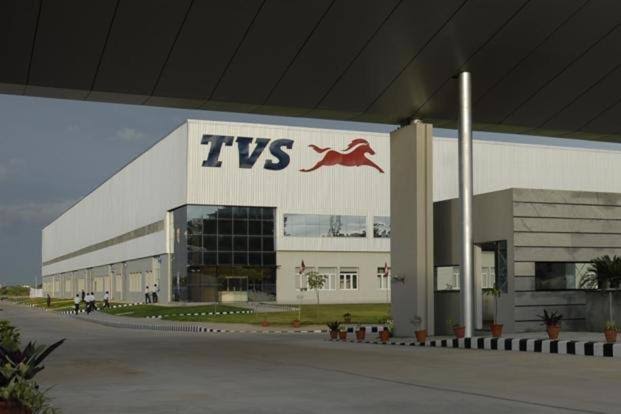
TVS Motor Company is planning to raise up to 10 billion rupees via private placement of Non-Convertible Debentures (NCDs). The move is aimed at optimizing the company's capital structure and funding ongoing expansion, particularly in the premium and electric vehicle sectors, amid strong operational performance and consistent market share growth.
TVS Motor Company is preparing to tap debt markets to secure funding of up to 10 billion rupees ($1000 crore) through the issuance of Non-Convertible Debentures (NCDs) on a private placement basis. This move marks a significant financial step for the Chennai-based automotive manufacturer as it balances substantial capital expenditure requirements with ongoing debt management strategies.
The decision comes at a time when the company, which holds a prominent position as a leader in India’s two-wheeler and three-wheeler segments, continues to outperform industry growth benchmarks. Analysts note that such fund-raising activities are typically aimed at optimizing the company's cost of capital and providing liquidity to support its diversifying product portfolio, including its rapidly growing electric vehicle (EV) offerings.
Strategic Financial Management and Debt Profile
The decision to consider the issuance of NCDs reflects TVS Motor Company's proactive approach to maintaining a robust balance sheet. As of March 31, 2026, the company reported a comfortable gearing ratio, supported by healthy cash flow generation and a consistent improvement in operating margins.
The company has successfully managed its debt obligations, recently settling a series of NCDs and focusing on the upcoming redemption of its non-cumulative redeemable preference shares, which are due in September 2026. By securing long-term debt through private placements, TVS Motor aims to ensure stable funding for its ongoing infrastructure investments and technological advancements in the premium and EV motorcycle categories.
Market Position and Growth Drivers
TVS Motor Company has maintained a strong growth trajectory, driven by high demand for its diversified product lineup. In the fiscal year 2026, the company recorded significant volume growth, outstripping the broader industry performance. With its presence in key export destinations across Africa, Latin America, and Southeast Asia, the company has successfully hedged against domestic cyclicality.
According to recent credit assessments, the company’s strong unencumbered cash position and access to diverse fund-based limits provide a solid cushion for its strategic goals. The ability to raise capital via high-rated NCDs—often receiving top-tier credit ratings—underscores market confidence in the firm’s operational resilience and financial governance.
Why This Matters
For investors and industry stakeholders, this potential 10 billion rupee issuance signifies the company’s commitment to self-funding its next phase of innovation. As the automotive industry shifts toward sustainable mobility, capital-intensive investments in battery technology, design centers, and supply chain vertical integration are critical. This private placement allows the firm to secure necessary capital without diluting existing equity, maintaining a favorable structure for its shareholders.
Key Facts at a Glance
Fundraising Target: Up to 10 billion rupees (INR 1,000 crore).
Instrument: Non-Convertible Debentures (NCDs) issued on a private placement basis.
Purpose: Funding capital expenditure, debt optimization, and general corporate purposes.
Financial Standing: The company maintains strong operational margins, exceeding 12% in recent reporting periods.
Market Context: TVS Motor continues to focus on premiumization and its expanding portfolio of electric vehicles.
FAQ
What are Non-Convertible Debentures (NCDs)?
NCDs are fixed-income financial instruments that cannot be converted into equity shares. They are typically issued by companies to raise long-term capital from investors, offering a fixed interest rate over a predetermined period.
Why does TVS Motor prefer private placement for NCDs?
Private placement is generally more efficient and faster than a public issue, allowing companies to tailor the terms of the debt to the requirements of institutional investors and the firm’s own capital needs.
How does this impact TVS Motor’s debt rating?
The company’s debt instruments are typically highly rated (e.g., 'AAA' by various rating agencies), reflecting its strong liquidity, consistent cash flow generation, and disciplined debt management.
Will this affect the company’s share price?
Fundraising via debt is a standard corporate action. Investors generally view such moves positively if the capital is utilized for growth and efficient debt restructuring.
Source: TVS Motor Company Investor Relations, CARE Ratings, National Stock Exchange of India, BSE Limited.