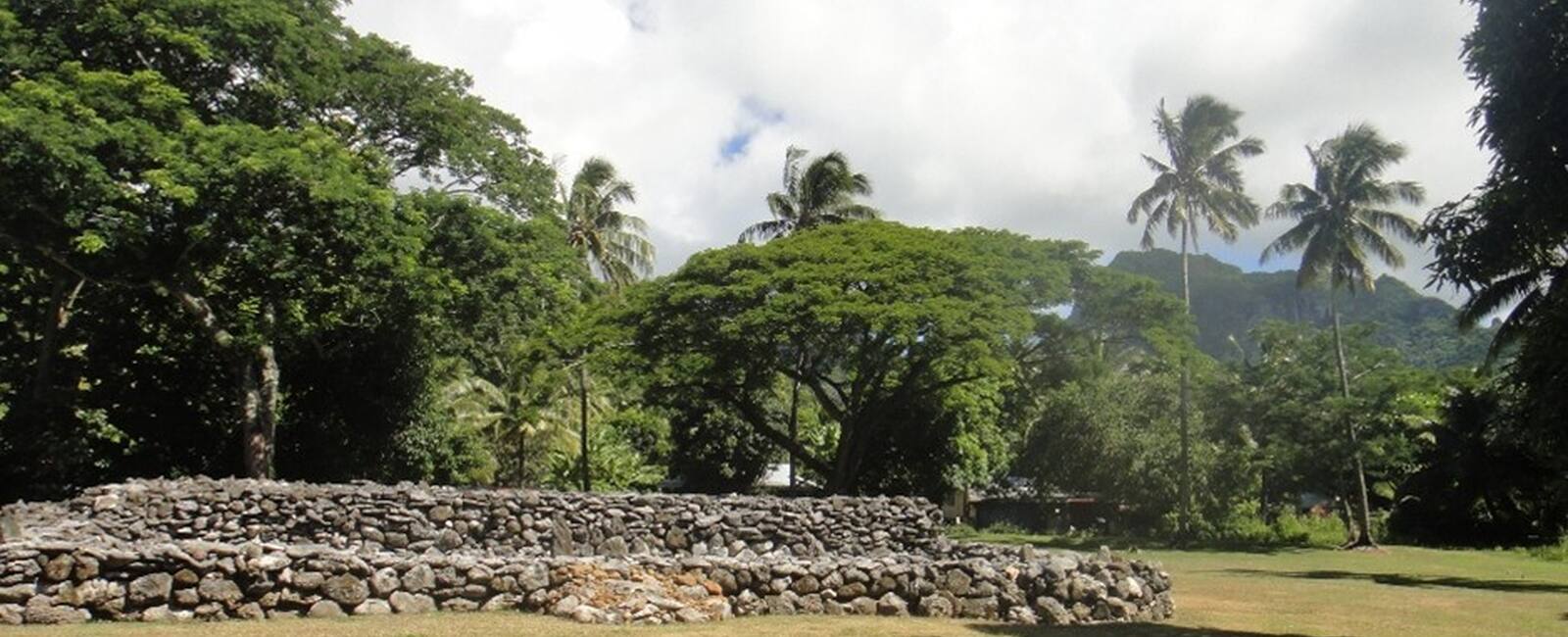
UNESCO has adopted the "Busan Declaration," adding collaboration as a core strategic pillar to address climate threats to World Heritage sites. The move is particularly significant for Small Island Developing States (SIDS), where integrating traditional "living heritage" with modern science is becoming a vital strategy for climate-resilient survival.
BUSAN, Republic of Korea — The United Nations Educational, Scientific and Cultural Organization (UNESCO) has moved to bolster the defense of heritage sites across Small Island Developing States (SIDS), as rising sea levels and extreme weather events increasingly threaten the cultural and natural foundations of these vulnerable nations.
The initiative, gaining momentum during the 48th session of the World Heritage Committee currently underway in Busan, emphasizes the critical role of "living heritage" as a survival tool for island communities. As SIDS face some of the world’s most acute climate risks, UNESCO’s evolving strategy aims to integrate traditional knowledge—such as indigenous building techniques and community-led disaster risk reduction—into modern heritage conservation frameworks.
A New Global Commitment to Collaboration
During the ongoing session in Busan, the World Heritage Committee unanimously adopted the "Busan Declaration on World Heritage," which officially adds "Collaboration" as the sixth strategic objective of the World Heritage Convention. This new pillar joins existing priorities including conservation, credibility, capacity-building, communication, and communities.
The declaration serves as a direct response to the "interconnected global challenges" facing cultural assets, most notably climate change and armed conflict. UNESCO officials stressed that the era of isolated, top-down national preservation is no longer sufficient. Instead, the organization is calling for a "global awakening" that prioritizes preventive measures over post-disaster repairs.
"When heritage is damaged or destroyed, the loss extends far beyond the physical fabric," said Nayef Al-Fayez, UNESCO Assistant Director-General for Culture. "It embodies memory, identity, knowledge, and traditions. It connects people to their past and helps communities navigate the future".
Resilience Through Living Heritage
For SIDS, many of which are responsible for less than 1% of global greenhouse gas emissions yet bear the brunt of climate impacts, the preservation of intangible cultural heritage (ICH) has become a practical necessity.
Recent initiatives have demonstrated the efficacy of this approach:
Traditional Knowledge: In nations like Vanuatu, communities are utilizing long-held ancestral methods to build cyclone-resistant shelters using locally available materials.
Food Security: In Fiji and across the Caribbean, traditional fishing, farming, and food preservation practices are being revitalized to secure food supplies during and after environmental emergencies.
Emergency Response: Living heritage—including storytelling, ritual, and oral traditions—is being formally integrated into national disaster risk reduction (DRR) strategies to support community cohesion and emotional well-being during crises.
Strategic Science and Data Partnerships
Beyond cultural preservation, UNESCO is expanding technical support to SIDS. On July 17, 2026, the organization signed new cooperation agreements with major research institutions in China to provide island nations with improved access to satellite data, marine science expertise, and big-data-driven monitoring tools.
These partnerships are designed to help SIDS institutions track ecosystem changes and manage natural resources more effectively. By bridging the gap between high-tech scientific data and community-based traditional practices, UNESCO aims to offer a holistic, multidisciplinary approach to resilience.
Official Sources
UNESCO World Heritage Committee: 48th Session, Busan, Republic of Korea.
UNESCO SIDS Section: Operational Strategy for SIDS (2023–2029).
Busan Declaration on World Heritage: Adopted July 20, 2026.
Quote Section
"Fulfilling this responsibility is not the task of governments alone," stated Nayef Al-Fayez, UNESCO Assistant Director-General for Culture. "It is also the role of those who are living there, working there, and visiting those sites, that collectively we should work together to make sure that these wonderful places and sites are protected and maintained in the right manners".
Why It Matters
For the 39 UNESCO-recognized Small Island Developing States, cultural heritage is not merely a historical record—it is a vital resource for navigating an uncertain future. By elevating "collaboration" and integrating traditional knowledge with modern technology, UNESCO is attempting to ensure that island communities have the tools necessary to withstand the accelerating impacts of climate change while maintaining their unique cultural identities.
Key Facts at a Glance
New Strategic Pillar: UNESCO has officially added "Collaboration" as the sixth strategic objective of the World Heritage Convention.
Vulnerability: SIDS lose an average of 2.1% of their GDP to disasters annually, compared to 0.3% elsewhere.
Global Scope: UNESCO’s SIDS-focused efforts span the Atlantic, Indian Ocean, South China Sea, Caribbean, and Pacific regions.
Integrated Action: The new strategy focuses on combining traditional indigenous knowledge with modern satellite data and AI to enhance disaster resilience.
FAQ
What is the "Busan Declaration"?
Adopted by the World Heritage Committee on July 20, 2026, the declaration calls for stronger global coordination to protect cultural and natural heritage from threats like climate change, emphasizing the importance of international collaboration and responsible digital technology use.
Why are Small Island Developing States a priority for UNESCO?
SIDS face disproportionate climate and environmental challenges. UNESCO prioritizes these states to support their unique cultural diversity, ocean stewardship, and the urgent need for resilient development pathways.
How does "living heritage" help in disasters?
Living heritage—such as traditional architecture, oral traditions, and local knowledge of land and sea—acts as a practical survival tool. It informs early warning systems, supports food security, and strengthens social cohesion when communities face emergencies.
Source: UNESCO, World Heritage Committee, Korea Times