In a surprising yet strategic move, China has eased restrictions on urea exports to India, marking a potential turning point in bilateral relations that have been strained since the 2020 border clashes. The decision comes amid shifting global trade dynamics and mounting pressure from US tariffs o...
In a surprising yet strategic move, China has eased restrictions on urea exports to India, marking a potential turning point in bilateral relations that have been strained since the 2020 border clashes. The decision comes amid shifting global trade dynamics and mounting pressure from US tariffs on both Asian giants. For India, the world’s largest importer of urea, this development could help stabilize domestic supply, ease farmer distress, and signal a broader thaw in diplomatic ties.
Here’s a comprehensive breakdown of the development and its implications.
1. Trade Gesture with Strategic Undertones
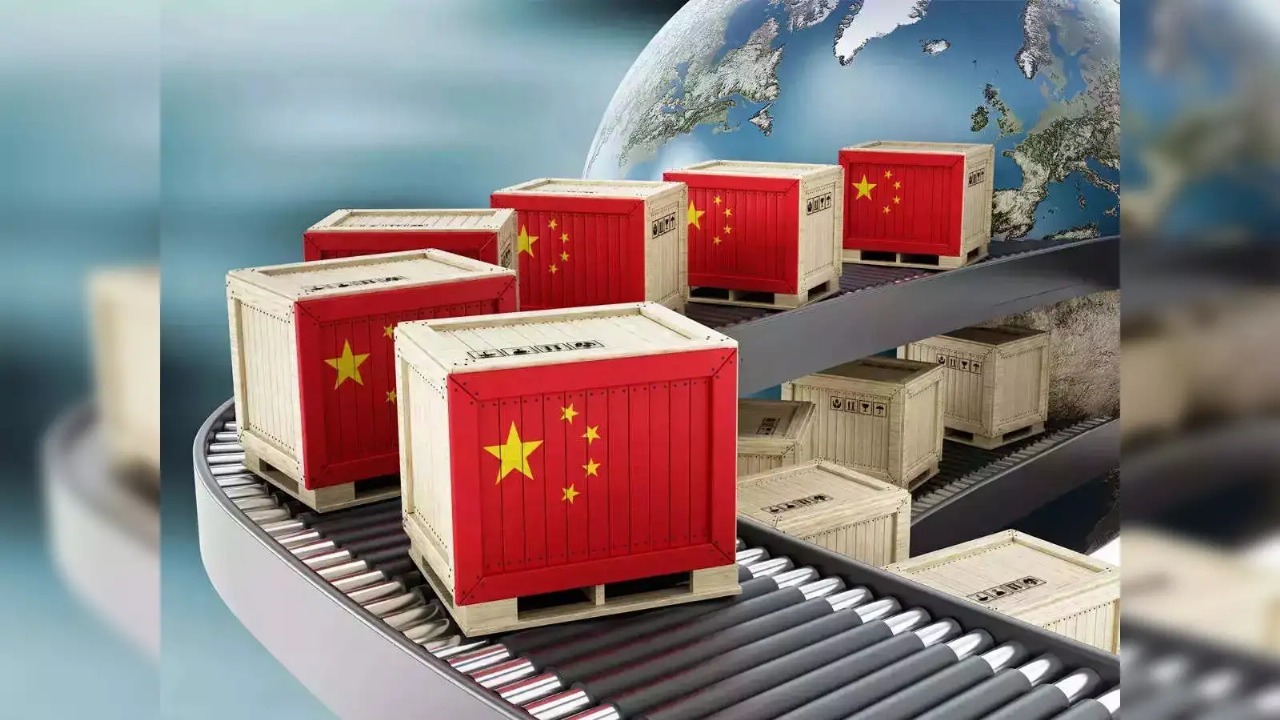
- China has relaxed its curbs on urea shipments to India, allowing up to 300,000 tons to be exported
- This follows a broader easing of China’s export bans that began in June, though India was excluded until now
- The move is seen as a signal of improving relations between Beijing and New Delhi, especially in light of shared trade tensions with the United States
2. Agricultural Impact and Domestic Relief
- India imported 5.7 million tons of urea in the fiscal year ending March 2025, a 20 percent drop from the previous year
- Purchases from China had plummeted to just 100,000 tons in 2024–25, compared to 1.87 million tons the year before
- With domestic production unable to meet demand, India relies heavily on imports to maintain stable supplies for its farm-dependent economy
- Urea is a heavily subsidized fertilizer in India and plays a critical role in boosting crop yields
3. Geopolitical Context and US Trade Pressure
- The easing of exports comes in the wake of US President Donald Trump’s decision to double tariffs on Indian goods to 50 percent, citing India’s oil trade with Russia
- This shared pressure from Washington appears to have nudged China and India toward pragmatic cooperation
- The timing coincides with India’s recent decision to resume tourist visas for Chinese nationals and a possible meeting between Prime Minister Narendra Modi and President Xi Jinping at the Tianjin summit on August 31
4. Supply Chain Stabilization and Global Market Effects
- China is one of the world’s largest exporters of nitrogen-based fertilizers, but had restricted sales in recent years to prioritize domestic supply
- The renewed flow of urea to India could help ease tight global supplies and cool soaring prices
- While the initial volume is modest, it may evolve into a steady trade channel that benefits both nations and the broader agricultural market
5. Diplomatic Signals and Future Engagement
- India’s Ministry of Chemicals and Fertilizers and China’s Ministry of Commerce have yet to issue formal statements, but the trade gesture is being interpreted as a soft diplomatic overture
- The resumption of direct flights between the two countries, expected in September, adds to the momentum of renewed engagement
- Analysts suggest that while core disputes remain unresolved, such as border tensions and hydropower projects in Arunachal Pradesh, trade cooperation may serve as a stabilizing force
6. Long-Term Outlook and Strategic Leverage
- India’s Cabinet recently approved a 700 MW hydropower plant in a disputed region, signaling that strategic divergences persist
- However, the urea export decision reflects a willingness to compartmentalize issues and pursue mutual economic interests
- If sustained, this trade thaw could pave the way for broader collaboration in energy, infrastructure, and technology
Conclusion
China’s decision to loosen urea exports to India is more than a trade adjustment—it’s a diplomatic signal wrapped in economic pragmatism. For India, it offers immediate relief to farmers and a potential reset in relations with its northern neighbor. For China, it’s a chance to reassert its role in global supply chains while navigating complex geopolitical pressures. Whether this marks a lasting shift or a tactical pause remains to be seen, but the ripple effects are already being felt across fields and foreign ministries alike.
Sources: CNBC TV18, The Economic Times, Deccan Herald, Stratfor, Bloomberg