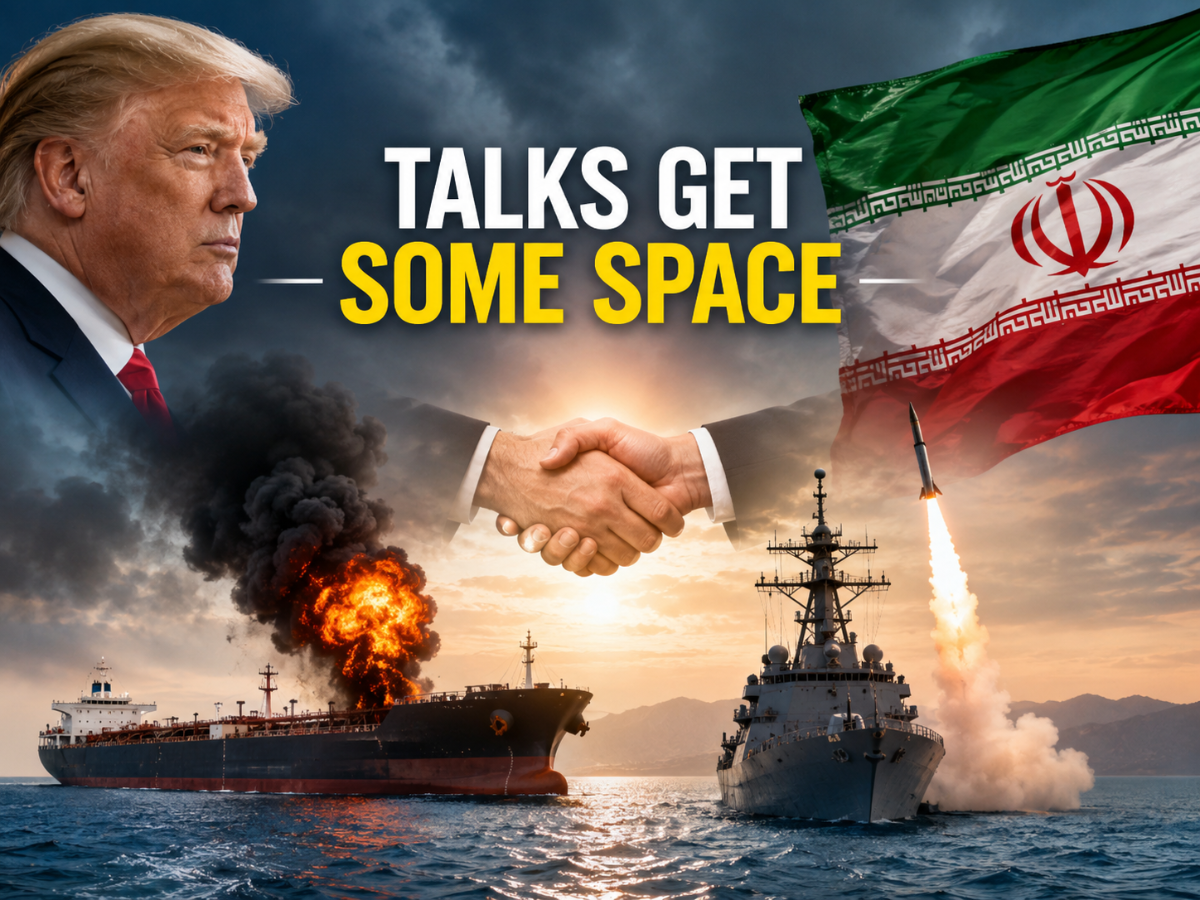
Military airstrikes between the U.S. and Iran have paused as of July 27, 2026, allowing space for diplomatic mediation. While the U.S. maintains its naval blockade, the lull offers a critical opportunity to de-escalate the conflict and protect vital shipping lanes in the Strait of Hormuz from further disruption.
WASHINGTON — Military operations between the United States and Iran have paused following nearly two weeks of intense airstrikes and counter-attacks, marking a pivotal moment in the ongoing 2026 conflict. As of July 27, 2026, both Washington and Tehran have held their fire, a move regional mediators describe as a “positive signal” intended to prioritize diplomatic channels over continued military escalation.
The de-escalation follows days of heightened tension that threatened to destabilize global oil chokepoints. U.S. President Donald Trump, through his UN envoy Mike Waltz, indicated that the administration is currently “giving talks some space,” despite maintaining that American forces in the region remain “locked and loaded” should hostilities reignite.
Military Lull Follows Escalation
The temporary cessation of fire comes after a period of significant military activity. Earlier in July, U.S. strikes targeted Iranian naval assets following attacks on three commercial vessels in the Strait of Hormuz. Iran’s attempts to enforce pre-approved navigation routes and collect fees in the strait—a direct challenge to the June 2026 Islamabad Memorandum—had previously led President Trump to declare the prior truce effectively over.
Despite the recent lull, the U.S. naval blockade against Iran remains in full effect, according to U.S. Central Command. Regional security analysts note that while airstrikes have paused, the underlying causes of the conflict—including disputes over nuclear enrichment, ballistic missile programs, and maritime control—remain largely unresolved.
Diplomatic Hurdles and Regional Impact
Diplomatic efforts are now shifting to capitalize on this window of opportunity. Mediators from Turkey, Egypt, and Qatar are reportedly working to solidify the pause and prevent a return to all-out war. The conflict, which began in early 2026, has already caused significant disruption to global energy markets and displaced millions across the region.
However, the path to a lasting off-ramp remains precarious. The Iranian Army warned on July 26 that any resumption of U.S. attacks would lead to a further expansion of the war across West Asia. Meanwhile, the region continues to experience ripple effects from the conflict, including increased Houthi activity in the Red Sea and heightened insecurity for commercial shipping.
Official Sources
Information regarding the current operational status is based on updates from the U.S. Central Command, statements from the Iranian Army, and diplomatic briefings relayed by regional mediators. Recent reports from the Associated Press (AP) and the U.S. State Department confirm the suspension of airstrikes as of July 26, 2026.
Why It Matters
This pause serves as a vital circuit-breaker for the global economy. As 20% of the world's oil transits through the Strait of Hormuz, the stability of these waterways is a primary concern for international investors, businesses, and energy-importing nations across Asia and Europe. A failure to translate this temporary ceasefire into a sustainable diplomatic framework risks renewed supply chain shocks and continued military volatility.
Key Facts at a Glance
Current Status: A pause in U.S. airstrikes and Iranian retaliatory attacks is currently in effect as of July 27, 2026.
Diplomatic Signal: U.S. officials state President Trump is “giving talks some space” to de-escalate the situation.
Strait of Hormuz: U.S. naval blockades remain active, while Iran continues to challenge international transit protocols.
Mediation Efforts: Regional mediators, including Qatar and Egypt, are pushing to formalize a return to the off-ramp.
FAQ
Why did the strikes pause?
Both parties have agreed to a temporary lull to allow diplomatic negotiations a chance to prevent further military escalation.
Is the conflict over?
No. While active airstrikes have paused, both the U.S. and Iran remain on high alert and the fundamental issues of the conflict remain unresolved.
What is the status of the Strait of Hormuz?
The strait remains a focal point of the conflict, with the U.S. maintaining a naval blockade and Iran continuing to assert claims over commercial navigation protocols.
What triggered the recent escalation?
Tensions spiked in July after Iran fired upon three commercial vessels that bypassed its pre-approved routes in the Strait of Hormuz, prompting U.S. strikes.
Source: Britannica - 2026 Iran War, The Hindu - West Asia War Updates, Wikipedia - 2025–2026 Iran–United States Negotiations