Delhi BJP President Harsh Malhotra hosted a "Yuva Samvad" event on July 26, 2026, to engage with 50 college students on national development and education. Malhotra highlighted infrastructure growth while addressing recent student protests, accusing opposition parties of exploiting youth-led movements for political gain and urging students to focus on nation-building.
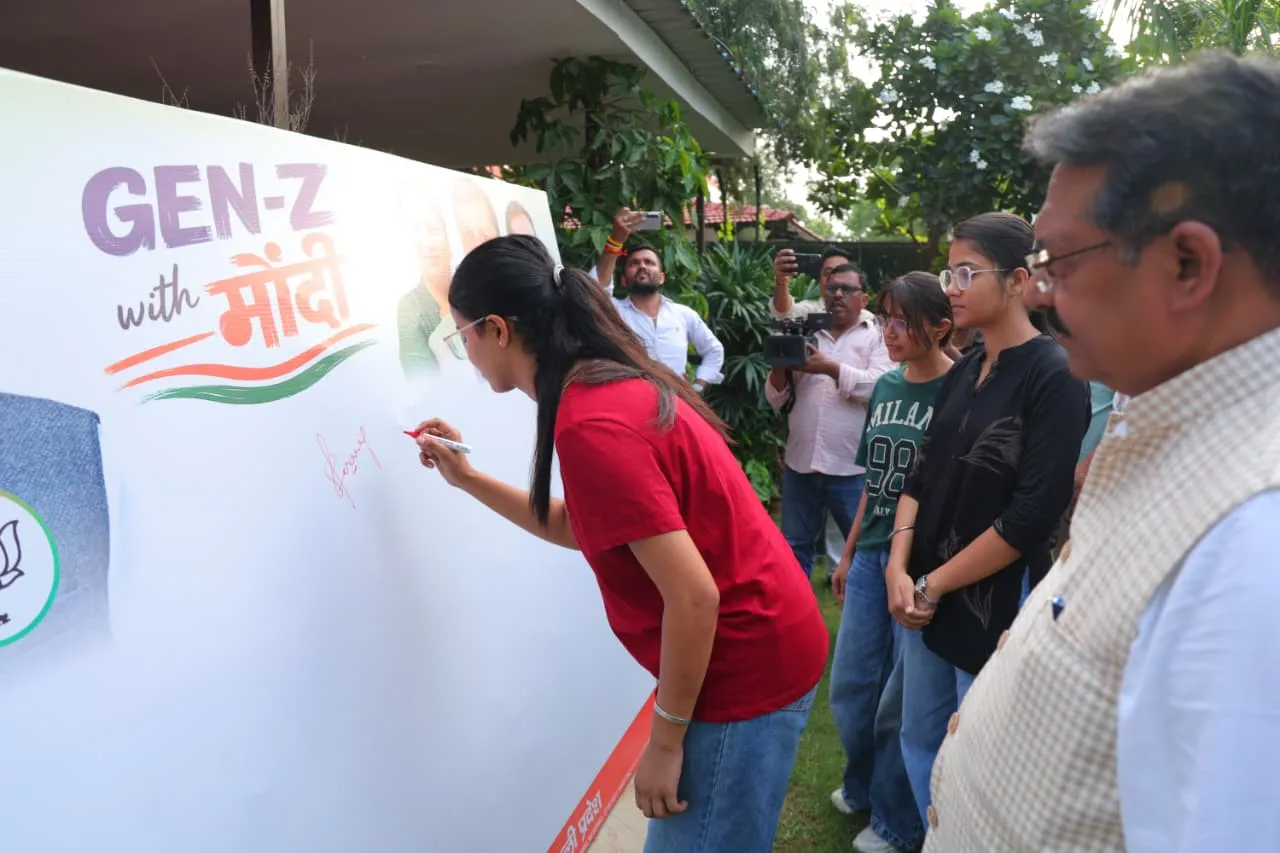
NEW DELHI — Delhi Bharatiya Janata Party (BJP) President Harsh Malhotra hosted a “Yuva Samvad (Gen-Z with Modi)” event on Sunday, July 26, 2026, facilitating a direct dialogue with students from various universities and colleges across the national capital. The session, which included 50 students and their parents, focused on the trajectory of India's development and the aspirations of the country’s younger generation.
Engaging Youth in Nation-Building
During the two-way interaction, Harsh Malhotra sought to foster a positive discourse regarding India's progress since 2014. He highlighted significant advancements in the nation's healthcare and educational infrastructure, noting that the number of AIIMS institutes has increased from 11 in 2014 to 23 today. Furthermore, he shared data indicating a substantial rise in medical colleges—from 387 to 766—and a corresponding increase in MBBS seats, which have grown from approximately 51,348 to 115,812.
The dialogue also touched upon curriculum reforms. According to the Delhi BJP, participants discussed the removal of "unnecessary" chapters from textbooks and the inclusion of content deemed to be of "national importance." To signal their support for this vision, students signed a collective expression of intent alongside the BJP leader.
Addressing Political Discourse
The session also featured a discussion on recent student protests, including the demonstration at Jantar Mantar regarding examination concerns. Participants in the Yuva Samvad event alleged that the manner in which the Jantar Mantar protest was conducted was inappropriate. They claimed that certain elements had infiltrated the agitation to make remarks deemed "anti-national," which they argued were counterproductive to social harmony and the unity of the country.
Harsh Malhotra used the platform to reiterate his criticism of opposition parties, particularly the Aam Aadmi Party (AAP) and the Congress. He alleged that these groups have been attempting to exploit student-led movements for political gain. Malhotra urged the youth to focus on their education and career goals, warning them against becoming "pawns" of political entities facing electoral setbacks.
Official Perspectives
Delhi BJP: The state unit described the event as a strategic effort to promote "positive dialogue" and encourage young people to actively participate in building a "developed and self-reliant India" (Viksit Bharat).
Harsh Malhotra: According to the Delhi BJP chief, the event provided a necessary platform for the younger generation to voice their opinions based on facts and reasoning, rather than being misled by divisive rhetoric.
Why It Matters
For the Delhi BJP, the Yuva Samvad serves as a key outreach initiative to connect with the Gen-Z demographic. By positioning the party’s development-oriented agenda as the preferred choice for future voters, the BJP aims to counter opposition narratives and strengthen its influence among college-aged youth amidst ongoing national debates regarding education systems.
Key Facts at a Glance
Event Name: Yuva Samvad (Gen-Z with Modi).
Date: Sunday, July 26, 2026.
Attendance: 50 students from various Delhi institutions and their parents.
Core Themes: National development, healthcare expansion, and educational reform.
Key Speaker: Harsh Malhotra, Delhi BJP President.
FAQ
What was the primary objective of the Yuva Samvad event?
The event aimed to create a structured platform for positive dialogue with Gen-Z students regarding nation-building and the current government’s developmental initiatives in healthcare and education.
What did Harsh Malhotra say regarding recent student movements?
Malhotra alleged that opposition parties are misguiding the youth and exploiting student protests for political advantage rather than focusing on genuine national progress.
What did the student participants express during the event?
Beyond sharing their views on national issues, the students expressed support for a constructive approach to societal development and signed a document in favor of building a "developed and self-reliant India."
Source: United News of India (UNI), Bharatiya Janata Party Delhi