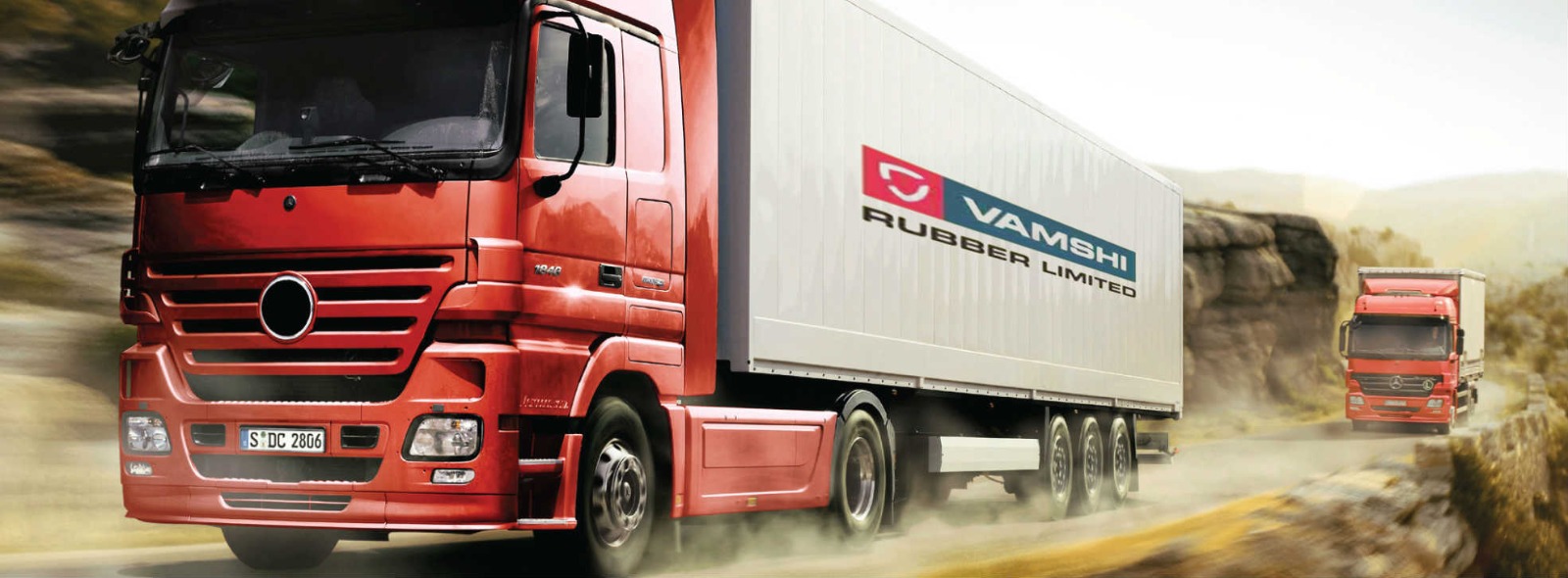
Vamshi Rubber Limited is set to meet today, July 8, 2026, to discuss the substantial sale of its core retreading business. This strategic move follows a performance review of its primary segment. The proposal, subject to shareholder approval, marks a significant shift for the three-decade-old rubber manufacturing firm.
The Hyderabad-based manufacturer is evaluating a potential divestment of its retreading business segment following a strategic review of its current operations.
HYDERABAD, India — Vamshi Rubber Limited, a specialized manufacturer of tyre retreading materials, has officially announced that its Board of Directors will meet today, July 8, 2026, to deliberate on the potential sale of its primary business undertaking. The decision, aimed at addressing the current state of affairs within its retreading segment, marks a potential turning point for the firm as it navigates a challenging industrial climate.
The proposal, which requires subsequent approval from the company’s shareholders, signals a shift in the corporate direction for the BSE-listed entity. Incorporated in 1993, Vamshi Rubber has long been a notable player in the production of precured tread rubber, cushion gum, and vulcanizing solutions, primarily serving the automotive tyre maintenance and retreading industry.
Strategic Review and Market Context
The board’s meeting follows a period of rigorous internal evaluation regarding the company's operational viability. While Vamshi Rubber has maintained a niche position in the tyre retreading market, recent financial disclosures have highlighted the need for corporate restructuring to ensure long-term sustainability.
In a recent filing, the company noted that the retreading business segment has faced headwinds, prompting management to evaluate strategic options, including the divestment of its core assets. The sale of the undertaking, if approved, would involve the transfer of the company's manufacturing unit, which is equipped with machinery capable of producing 3,200 metric tonnes of precured tread rubber annually.
Implications for Stakeholders
The potential sale has drawn significant interest from investors, particularly as the company’s financial performance has seen mixed results over the past three fiscal years. While the company has reported consistent profits in recent quarters, its growth in the competitive rubber sector has been constrained by fluctuating input costs and shifting demands for high-quality retreading materials.
For the company's employees, suppliers, and regional franchisees, the move creates a period of uncertainty. However, leadership suggests that this action is a calculated step to streamline operations and maximize value for shareholders.
Official Sources
According to the company’s formal corporate announcement submitted to the stock exchange, the Board of Directors is tasked with considering the following:
"Organizers stated that the evaluation of this strategic option is a response to the current state of affairs within the retreading business segment and is essential for the future health of the company's corporate structure," according to the company’s recent regulatory disclosure.
Why It Matters
A divestment of this nature is significant for the Indian rubber industry, as it involves a specialized player with over three decades of market experience. For investors, the sale represents a potential exit or transformation of the company’s core business model. If the sale is finalized, the proceeds and subsequent corporate restructuring could fundamentally change Vamshi Rubber’s position in the industrial materials market.
Key Facts at a Glance
Company: Vamshi Rubber Limited (BSE: 530369).
Primary Objective: To consider and approve the sale of its core retreading business undertaking.
Key Product Segment: Precured Tread Rubber (accounting for approximately 87.5% of total revenue).
Status: Awaiting board approval on July 8, 2026, followed by a mandatory shareholder vote via postal ballot.
Frequently Asked Questions
1. Why is Vamshi Rubber selling its undertaking?
The company is responding to the current state of affairs in its retreading segment, aiming to restructure and optimize its business model given recent market challenges.
2. Does this mean the company is shutting down?
Not necessarily. The proposal is for the "substantial sale of the undertaking," which typically involves transferring assets to another entity. The company will seek shareholder approval to finalize these terms.
3. What happens next?
If the board approves the proposal, the company will initiate a postal ballot process to secure shareholder approval. Investors should monitor BSE corporate filings for official outcomes of the board meeting.
4. How does this affect shareholders?
The sale of a major undertaking is a material event. Investors are advised to review the upcoming explanatory statement from the company to understand the valuation and future direction of the entity following the asset sale.
Source: BSE India, The Economic Times Markets, Screener.in Financial Data.