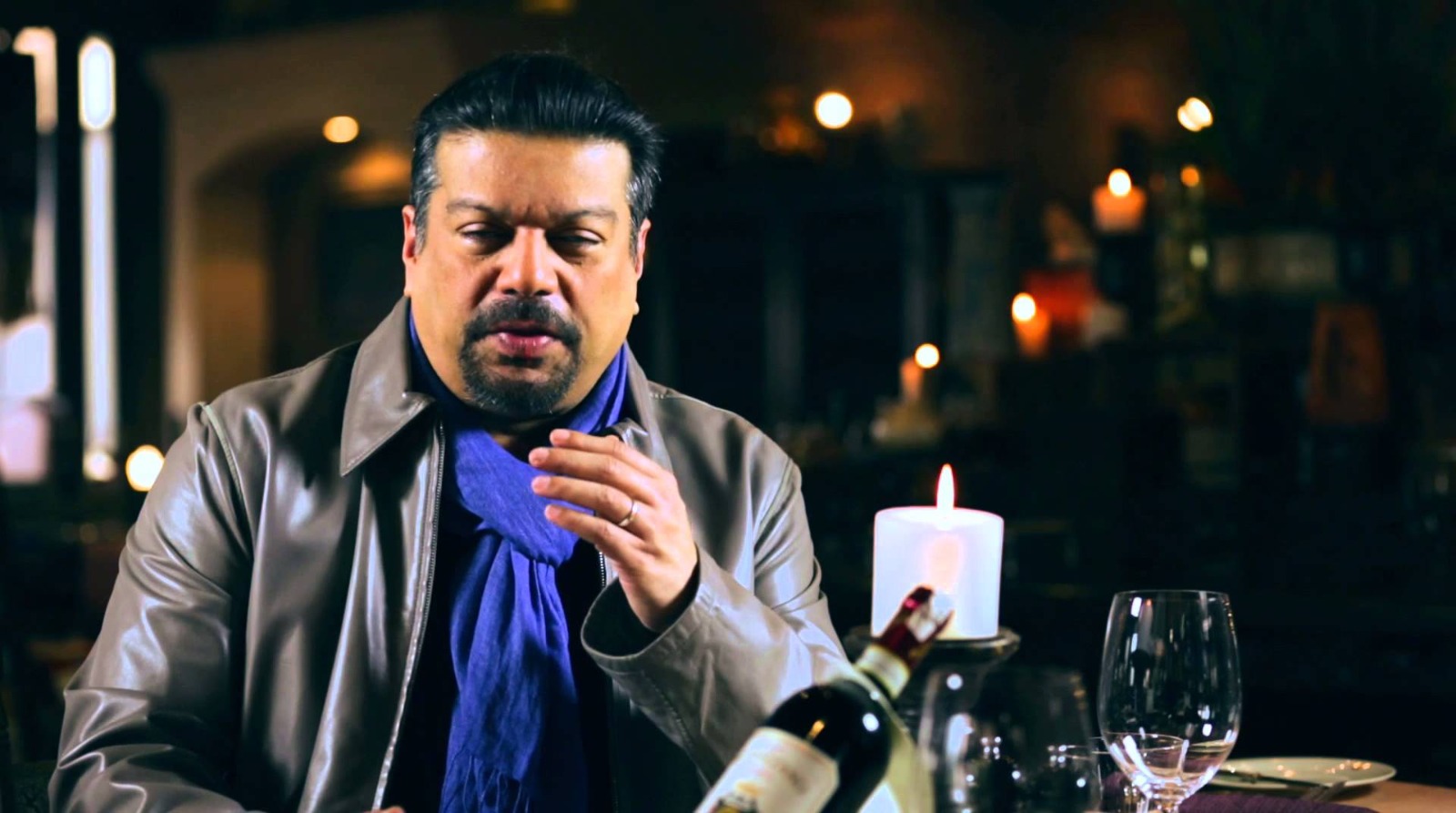
In his column The Taste, Vir Sanghvi examines the global culture of queuing up outside a restaurant. Once reserved for budget eateries, premium venues now use no-reservation policies to drive table turnover and leverage consumer psychology, turning long wait times into highly effective marketing tools and modern symbols of culinary exclusivity.
NEW DELHI, India — Renowned journalist and culinary commentator Vir Sanghvi has sparked widespread industry discourse following his latest cultural analysis detailing the global phenomenon of restaurant queuing. In his widely syndicated column, The Taste by Vir Sanghvi, the veteran critic addresses the socio-economic shift where high-end and casual dining establishments increasingly require patrons to wait in physical lines rather than using traditional reservation systems.
The development marks a significant shift in modern consumer behavior and urban dining culture. Traditionally seen as a necessity for budget street-food stalls, the culture of queuing up outside a restaurant has been strategically adopted by premium culinary venues across major culinary hubs, including London, New York, Mumbai, and New Delhi. Sanghvi argues that this structural change is reshaping the fundamental dynamics of hospitality, consumer psychology, and brand value in the modern culinary ecosystem.
The Evolution of the Restaurant Queue
According to historical culinary overviews outlined in The Taste by Vir Sanghvi, the act of waiting in line was once viewed as an operational failure or a localized response to extreme demand at low-cost eateries. However, over the past decade, a deliberate shift has occurred. High-end bistros, artisanal bakeries, and trendy brunch spots have systematically phased out advance bookings.
Industry analysts tracking restaurant operational models note that this approach serves dual purposes. Operationally, it maximizes table turnover rates and eliminates financial losses associated with late cancellations or "no-show" diners. Sociologically, a visible, physical line acts as a highly effective marketing tool, signaling high product quality, exclusivity, and cultural relevance to passing pedestrians and social media users.
Consumer Psychology and the Illusion of Exclusivity
In his assessment of the culture of queuing up outside a restaurant, Sanghvi highlights the complex behavioral mechanics that drive modern diners to participate in these extended waits. Drawing from consumer psychology and behavioral economics, the column outlines how human perception associates scarcity and effort with heightened value.
When a consumer encounters a lengthy queue, it triggers a strong sense of "Fear of Missing Out" (FOMO). According to culinary hospitality experts, the prolonged wait time often enhances the perceived taste and reward of the eventual meal, a psychological phenomenon known as effort justification. However, Sanghvi cautions that this structural trend can sometimes mask mediocre culinary offerings, relying more heavily on manufactured hype and social validation than on genuine gastronomic excellence.
Market Impact on Urban Dining and Hospitality
The cultural shift toward mandatory queuing has direct practical implications for various industry stakeholders:
For Consumers: Dining transitions from a planned, leisurely experience into a time-intensive commitment, often alienating older demographics or those with limited mobility.
For Hospitality Operators: The model provides predictable revenue streams and optimized kitchen efficiency, though it risks alienating long-term patrons who value personalized hospitality.
For Urban Real Estate: Sidewalk spaces outside popular eateries are increasingly integrated into commercial operations, sometimes prompting local municipal bodies to review public pedestrian access guidelines.
Official Context and Industry Commentary
According to industry reports from the National Restaurant Association of India (NRAI), customer retention metrics are increasingly tied to experiential factors rather than menu options alone. While digital reservation platforms like OpenTable and EazyDiner continue to process millions of bookings monthly, a growing subset of independent restaurateurs are intentionally opting out of digital platforms to foster organic, street-level engagement.
"According to officials from major hospitality consultancy groups, the decision to enforce first-come, first-served line policies is frequently a branding strategy designed to generate digital media impressions. A long line outside a venue acts as a living advertisement that print or digital marketing simply cannot replicate."
Why It Matters
The widespread normalization of the culture of queuing up outside a restaurant represents a profound democratization—and simultaneously, a commodification—of contemporary dining. It challenges the traditional luxury paradigm where premium service was defined by seamless, stress-free access. In the modern culinary marketplace, time has become the ultimate currency, and the willingness to wait has transformed into a visible status symbol among contemporary urban consumers.
Key Facts at a Glance
Cultural Pivot: The Taste by Vir Sanghvi highlights how waiting in physical lines has evolved from a street-food necessity into a premium dining status symbol.
Operational Strategy: Phasing out traditional reservations protects restaurants from empty tables due to late cancellations or no-show parties.
Psychological Trigger: The visible phenomenon relies on social proof and effort justification, making the consumer perceive the food as superior due to the effort required to get it.
Market Adaptation: Prominent urban eateries globally are restructuring their street fronts to safely accommodate large crowds of waiting patrons.
Frequently Asked Questions
Q: Why are modern premium restaurants moving away from traditional reservation systems? A: Many establishments adopt the first-come, first-served model to maximize seat occupancy, increase daily table turnover, and eliminate the financial losses caused by clients who fail to show up for their bookings.
Q: How does the culture of queuing up outside a restaurant affect consumer perception? A: Based on principles of behavioral economics, a long queue creates a perception of scarcity and high demand, which naturally leads consumers to believe that the establishment offers superior quality and a highly desirable experience.
Q: Does the queuing trend impact all demographics equally? A: No. Industry data indicates that the walk-in, wait-in-line model appeals primarily to younger Gen-Z and Millennial consumers who value social experiences, whereas it frequently discourages older diners or families who require predictable scheduling.
Source: The Taste by Vir Sanghvi / Hindustan Times Archive, National Restaurant Association of India Operational Reports, Federation of Hotel & Restaurant Associations of India (FHRAI)