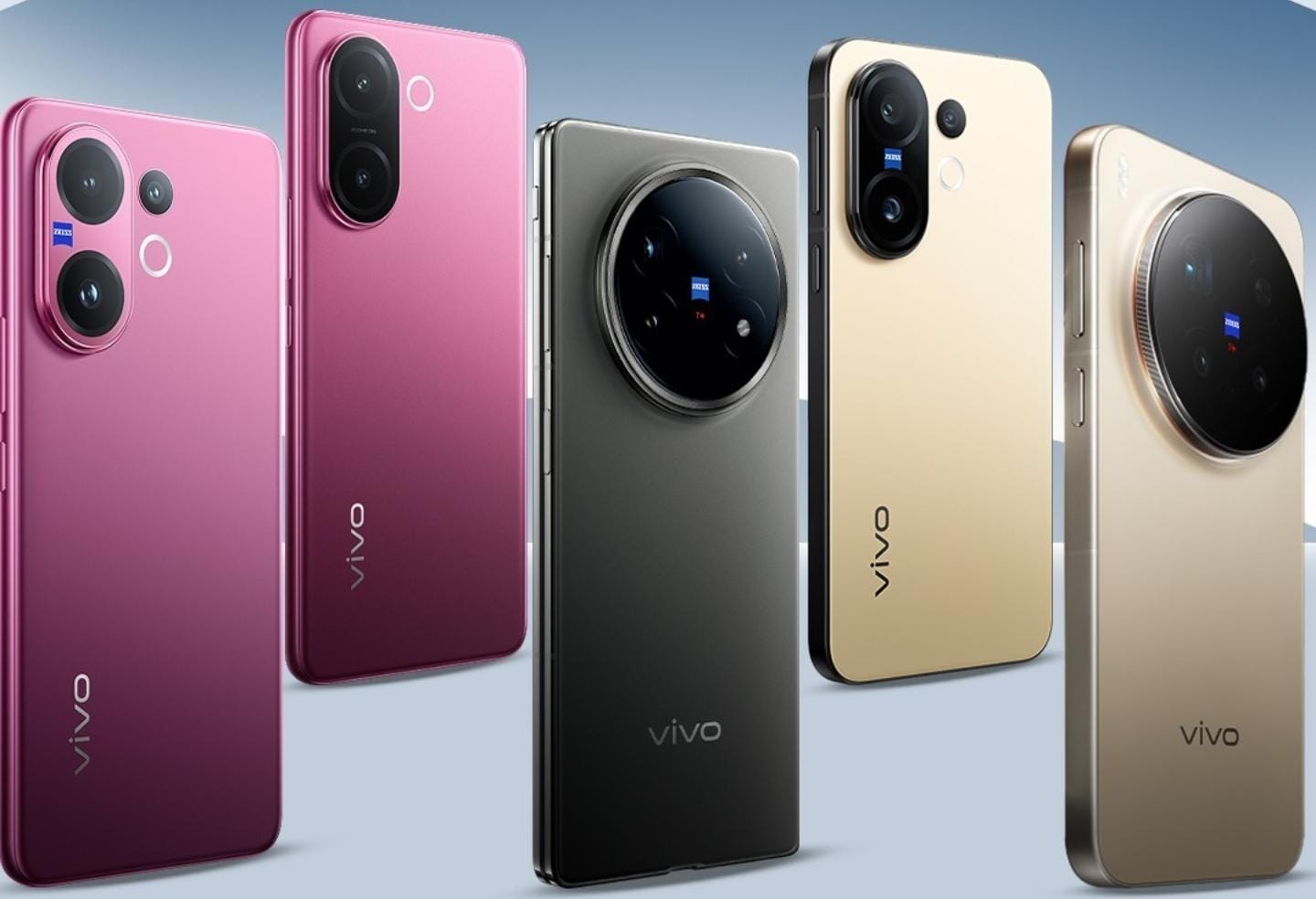
Vivo has subtly implemented a dramatic price restructuring across its smartphone lineup in India. Budget models like the T4 Lite 5G have seen costs surge from Rs 10,999 to Rs 18,999. Despite costing nearly double, the device features the exact same legacy processor, driven by rising global component costs.
NEW DELHI — A quiet but significant pricing restructuring by smartphone manufacturer Vivo has ignited intense debate across the consumer technology market today. The company has officially revised its pricing matrix across multiple product tiers in India, leading to an extraordinary scenario where a Vivo new budget phone effectively costs nearly double its original positioning while utilizing the exact same internal silicon as its predecessor. The strategy comes in response to escalating global hardware component costs, heavily squeezing the affordable smartphone segment that millions of local buyers rely upon.
Sharp Rate Revisions Hit Affordable Tiers
According to updated retail listings and market channel checks, the most dramatic shift has been observed in Vivo’s budget-oriented T-series and Y-series portfolios. Specifically, the Vivo T4 Lite 5G—which initially debuted in the market at a highly competitive entry point of Rs 10,999—has undergone consecutive price adjustments. The base model now commands a retail price of Rs 18,999.
This represents an increase of nearly 73% for a Vivo new budget phone that continues to rely on the MediaTek Dimensity 6300 chip. The pricing strategy means consumers are now paying close to mid-range prices for hardware that was originally designated for entry-level sub-Rs 12,000 devices.
Global Supply Chains Force Strategic Price Hikes
Industry analysts state that the dramatic adjustment is not an isolated incident but a reflection of critical macro-economic pressures. Manufacturers are grappling with steep price increases for semiconductor wafers, advanced displays, and particularly memory chips, forcing brands to pass costs on to the end consumer to protect profit margins.
The implications extend across multiple consumer segments:
Consumers: Everyday buyers seeking an affordable Vivo new budget phone are now faced with vastly diminished purchasing power, as entry-level models move past the psychological Rs 15,000 threshold.
Competitors: Rival brands may capitalize on this gap, though broad supply chain issues mean similar adjustments are likely across the wider industry.
Investors: Financial stakeholders are closely watching how this aggressive margin-preservation strategy will impact Vivo’s high-volume market share in the region.
Official Position and Industrial Context
While Vivo has not released an overt media campaign explaining the sudden changes, retail partners have confirmed receiving updated price communication sheets. The pricing structure has been rolled out uniformly across offline retail networks and prominent e-commerce platforms.
"According to officials familiar with retail channel distribution, the revised pricing matrices are direct reflections of increased input costs, and older stock is rapidly being replaced by newly priced inventory."
Why It Matters
For the average smartphone enthusiast or budget-conscious consumer, this development fundamentally shifts expectations around value-for-money metrics. When a Vivo new budget phone demands premium pricing without bringing a corresponding generation-over-generation upgrade in processor performance, it forces a re-evaluation of long-term device life cycles and alternative brand options.
Key Facts at a Glance
Price Surge: The Vivo T4 Lite 5G base variant has climbed from its initial launch price of Rs 10,999 up to a current price of Rs 18,999.
Unchanged Silicon: Despite the near-doubling of market cost, the device relies on the same MediaTek Dimensity 6300 processor.
Wider Impact: Price adjustments have hit nine total models across Vivo's X, V, T, and Y lineups, with premium variants increasing by up to Rs 7,000.
FAQ Section
Why is the Vivo new budget phone costing so much more now?
The primary driver behind the price hike is the escalating cost of global smartphone components, particularly semiconductor memory chips and advanced display modules, which has forced manufacturing adjustments.
Has the hardware been upgraded to match the new price?
No, the core specifications—including the processor chip, RAM configuration, and internal storage capacities—remain identical to the specifications provided at the device's original launch.
Does this price increase affect existing Vivo phone users?
No, the updated pricing entirely targets new retail purchases and does not impact customers who already own or previously purchased these devices.
Source: Official retail pricing data from Vivo India and retail tracking reports via 91mobiles.