India's infrastructure output expanded 5.0% year-on-year in June 2026, marking the first release under a modernized series featuring a 2022–23 base year. The index expanded to nine core industries by including iron ore, which surged 43.9% alongside strong gains in power and cement.
NEW DELHI — India’s primary economic production base received an infrastructure output reading on Monday, July 20, 2026, as the federal government deployed its newly structured data analytics frameworks. The commercial data revealed that India’s infrastructure output expanded by 5.0% year-on-year for the month of June 2026. Concurrently, cumulative growth parameters tracking the April–June fiscal stretch clocked in at 3.6%. The economic update represents the first macro dataset released under a newly integrated baseline model featuring a revised base year of 2022–23.
Structural Revisions in the Infrastructure Basket
According to official notices published by the Office of the Economic Adviser within the Department for Promotion of Industry and Internal Trade (DPIIT), the data matrix marks a clean break from old calculations. The new evaluation baseline officially drops the previous 2011–12 reference period. It transitions to a more contemporary 2022–23 economic model designed to mirror modern industrial trends and current consumption weights accurately.
The structural overhaul introduces a major change to the Index of Core Industries (ICI), expanding monitored categories from eight to nine components.
The new framework applies the following updates:
Inclusion of iron ore as a separate standalone index category, acknowledging its heavy baseline impact on high-capacity industrial development.
The adjustment of internal product weight coefficients, giving a more balanced footprint to digitalized steel output and infrastructure manufacturing assets.
Transitioning the steel measurement parameters to utilize gross production indicators rather than past net supply tracking systems.
The expanded 9-sector grouping accounts for roughly 40% of the aggregate value contained within the broader Index of Industrial Production (IIP), meaning this infrastructure change directly alters how total domestic growth measurements are reported.
Sector Specific Divergence and Growth Boosters
A closer analysis of individual industry verticals reveals widely differing results between commodity lines, with raw mining materials providing the primary upward push to the index. According to data sets from the Ministry of Commerce & Industry, iron ore led all categories with a 43.9% year-on-year surge. The mining sector expansion was matched by consistent double-digit traction in the utilities and construction supply chains, with both the electricity generation and cement manufacturing vectors expanding by 9.8% during June.
However, the rapid gains in heavy mining were partially offset by prolonged pressure across chemical energy processing channels. Petroleum refinery products which retain the highest individual weight within the total index declined by 4.7%.
Similarly, crude oil extractions fell by 4.2%, natural gas systems registered a 7.4% contraction, and agricultural fertilizer units reported a 3.3% structural drop during the month. Despite these energy challenges, the heavy infrastructure push lifted the final aggregate index upward from a revised 3.2% growth rate recorded in May 2026.
Official Sources Section
The national economic statistics, sector growth percentages, and baseline structural changes featured in this report are sourced directly from centralized statistical announcements.
The economic findings follow public releases issued by the Ministry of Commerce & Industry and data sheets managed by the Office of the Economic Adviser. Further institutional coordination and index balancing conform to macroeconomic data models cataloged by the Ministry of Statistics and Programme Implementation (MoSPI) of the Government of India.
Quote Section
"According to officials familiar with the economic modeling process, updating the base year to 2022–23 removes structural blind spots by factoring in modern production systems. Incorporating iron ore gives the core index a better capability to serve as a reliable early indicator for broader industrial demand trajectories."
Why It Matters
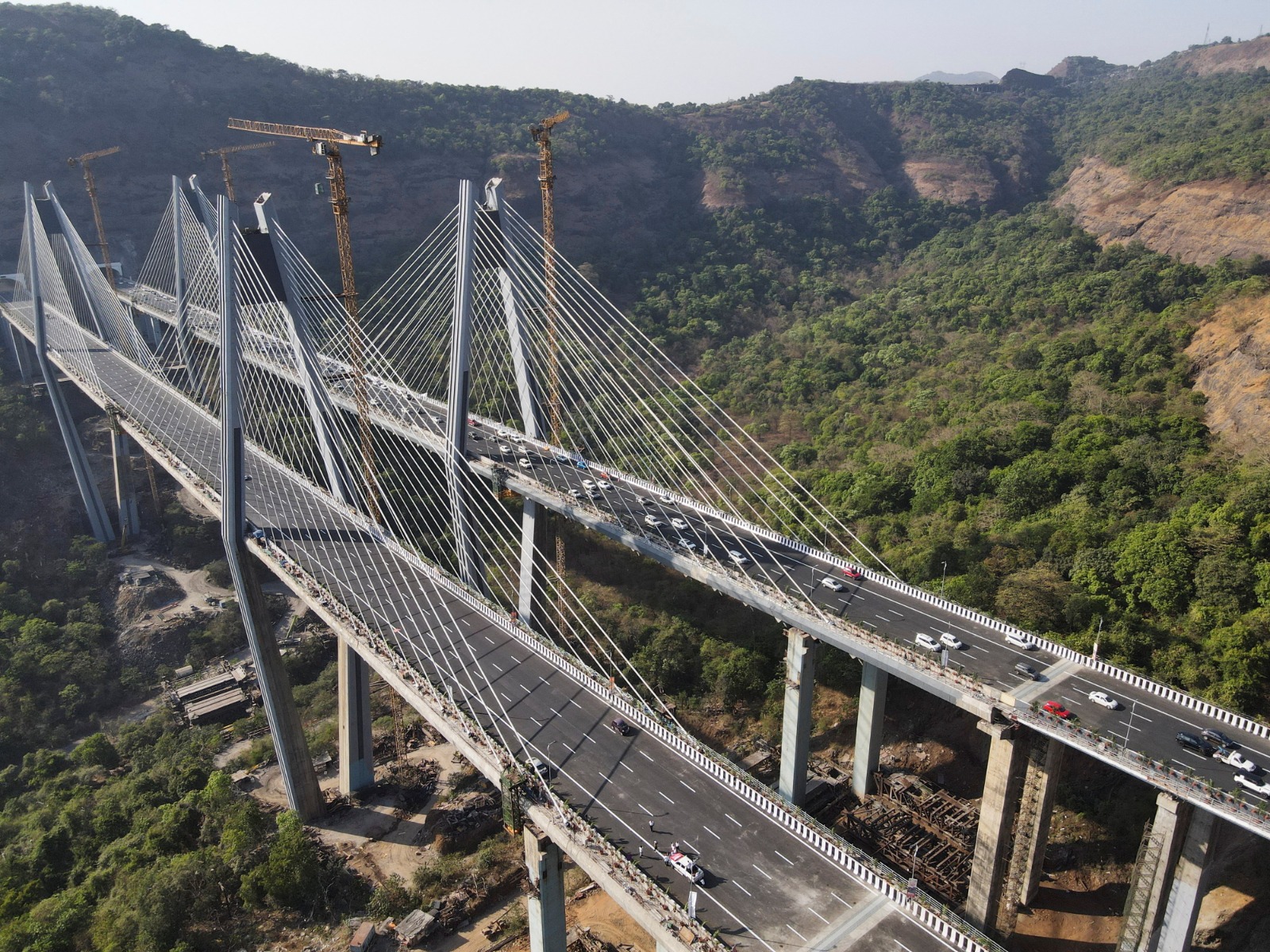
For Indian citizens, job seekers, and regional consumers, the jump to 5.0% infrastructure growth indicates a healthy revival in real-world engineering deployment and capital spending. High output levels in cement, steel, and power production mean that physical infrastructure creation—such as highways, rail corridors, urban transit networks, and affordable housing initiatives—is sustaining active construction velocity.
For institutional investors, bond managers, and multi-national corporations, the infrastructure index provides validation that India's domestic growth cycle remains on solid ground. The step up to a five-month high helps offset concerns about higher retail food inflation and energy imports, proving that core structural assets can continue expanding even when energy input paths face supply disruptions.
Key Facts at a Glance
June Growth Baseline: India's infrastructure output grew by 5.0% year-on-year in June 2026.
Quarterly Performance: Total growth for the April–June first financial quarter stood at 3.6%.
Series Expansion: The core index basket expanded from eight to nine industries with the addition of iron ore.
Base Year Update: The statistical model updated its comparison base to 2022–23, replacing the old 2011–12 series.
FAQ Section
What is the Index of Core Industries (ICI) and why is it important?
The ICI measures the production performance of India's foundational infrastructure sectors. Because these industries represent nearly 40% of the total weight in the Index of Industrial Production, their growth serves as a key indicator for the entire economy.
Why did the government update the core infrastructure series?
The base year was shifted to 2022–23 to reflect modern industrial activity. Adding iron ore ensures the index captures a critical raw material heavily used in manufacturing, infrastructure, and engineering.
Which sectors performed the best under the June report?
Iron ore production recorded the strongest expansion at 43.9%, followed by electricity generation and cement manufacturing, which both registered robust growth of 9.8%.
Source: Press Information Bureau - Government of India, Ministry of Statistics and Programme Implementation, Ministry of Commerce & Industry Disclosure Registry.