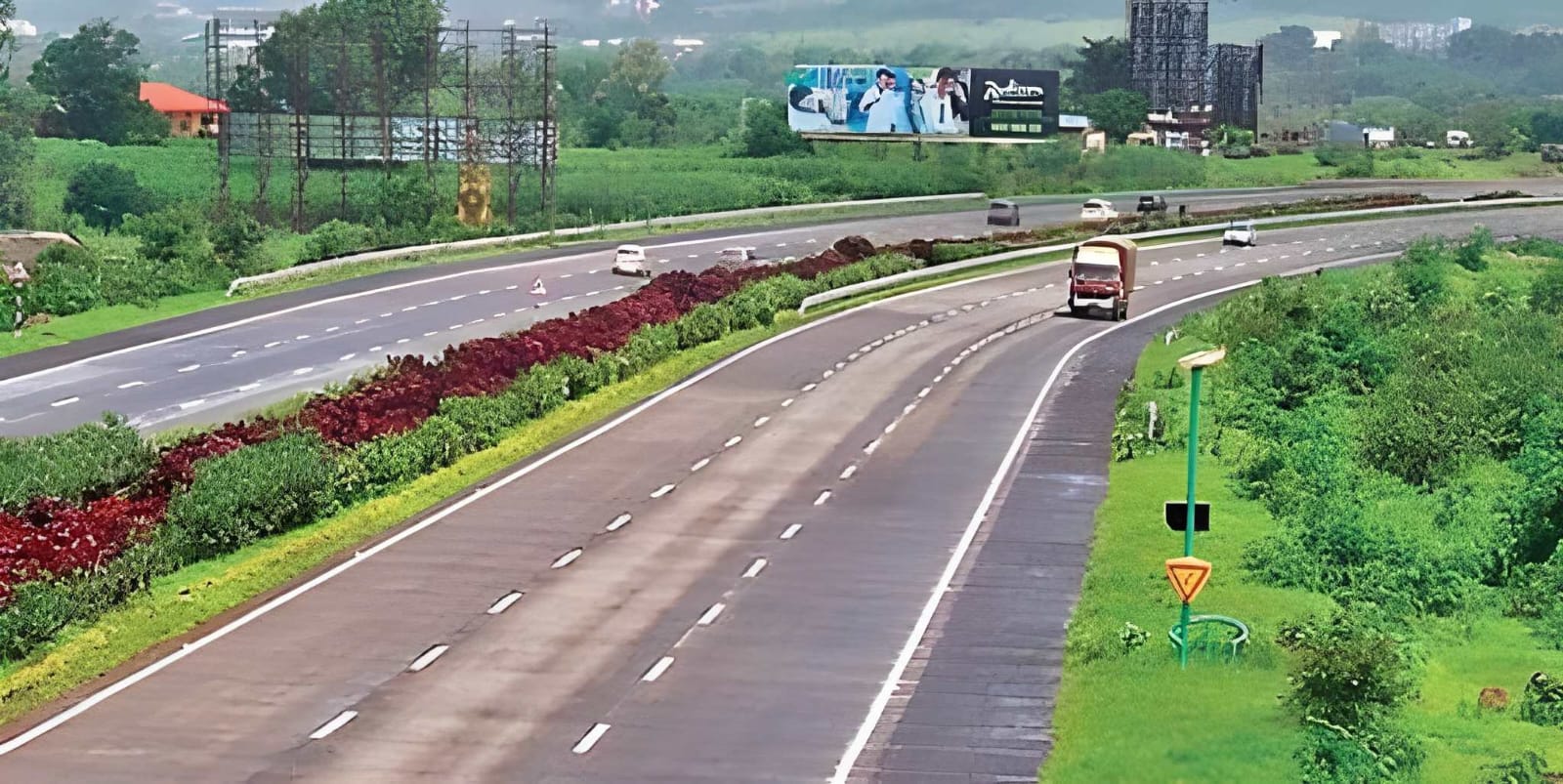
The Union Environment Ministry deferred environmental clearance for the Vizhinjam to Navaikulam Outer Ring Road project pending an expert site inspection. While NHAI submitted revised tunnel designs to minimize ecological impact, statutory delays continue to halt land compensation payouts for 6,500 affected local families.
THIRUVANANTHAPURAM — The Union Ministry of Environment, Forest and Climate Change (MoEFCC) has deferred environmental clearance for the long-pending Vizhinjam to Navaikulam Outer Ring Road project. The decision came after the ministry’s Expert Appraisal Committee (EAC) mandated an on-site physical inspection to assess potential geological and ecological hazards associated with proposed tunnel construction along the corridor. The regulatory pause affects a critical infrastructure development designed to connect the Vizhinjam International Transshipment Deepwater Multipurpose Seaport directly to the national highway network in Kerala.
Ministry Defers Approval Pending On-Site Geological Inspection
The Expert Appraisal Committee of the MoEFCC deferred the environmental proposal during its review meeting following heightened concerns over slope stability and subsurface construction in hilly regional terrain. Committee members noted that recent landslides across Kerala highlighted the need for rigorous ground scrutiny before approving large-scale roadworks involving subterranean elements.
The committee specifically cited safety risks regarding proposed tunnel sections between Thekkada and Navaikulam. Environmental petitions filed before regulatory authorities argued that the alignment crosses ecologically sensitive catchment regions of the Vamanapuram river, raising potential risks of soil erosion, landslips, and hydrology disruption. The EAC determined that technical engineering plans alone were insufficient and insisted on a direct field inspection by an expert panel before granting final clearance.
Revised Design Features Tunnels and Viaducts to Minimize Excavation
In response to statutory requirements and environmental feedback, the National Highways Authority of India (NHAI) submitted a revised Detailed Project Report (DPR). The updated engineering framework incorporates elevated viaducts and short tunnel segments designed to navigate low-lying hillocks while minimizing direct hill cutting.
NHAI officials submitted detailed geological surveys demonstrating that the proposed tunnels pass through minor, isolated hill formations rather than fragile, high-altitude mountain ranges. According to NHAI engineering reports, utilizing engineered tunnels reduces the overall physical footprint of the project compared to traditional open-cut highway excavation. The authority informed central regulators that technical clarifications have been fully provided to address the appraisal panel's queries.
Land Compensation and Financial Relief Delayed for 6,500 Families
The regulatory delay directly impacts approximately 6,500 local families across 24 villages whose land has been designated for acquisition under the National Highways Act, 1956. Although the Kerala state government sanctioned Rs 3,200 crore toward land acquisition costs, actual monetary disbursement remains legally tied to final administrative and environmental clearance from central authorities.
Landowner associations, including the Outer Ring Road Land Owners' Action Council, have expressed growing frustration over repeated procedural delays. Many property owners have faced multi-year restrictions on selling, developing, or mortgaging their notified land plots. Local representatives note that until the project receives complete statutory approval from the Ministry of Road Transport and Highways and the environment ministry, financial settlement payouts cannot proceed to affected residents.
Regional Connectivity and Port Freight Infrastructure Impact
The proposed 78-kilometer greenfield corridor, designated as National Highway 866 under the Bharatmala Pariyojana initiative, is structured as a economic growth artery for southern Kerala. The arterial route is engineered to bypass congested urban stretches inside Thiruvananthapuram, facilitating heavy container freight transport from the newly commissioned Vizhinjam International Seaport toward northern commercial hubs.
Urban planners emphasize that delaying the Vizhinjam to Navaikulam Outer Ring Road project could lead to severe traffic bottlenecks on existing state highways once transshipment cargo volumes at Vizhinjam port increase. Commercial stakeholders and logistics providers contend that timely execution of the outer bypass is vital for developing logistics parks, industrial nodes, and commercial zones planned along the highway alignment.
Official Sources Section
According to official updates issued by the Ministry of Road Transport and Highways, technical DPR revisions have been finalized, while final project funding and environmental clearances remain under active evaluation. Official statements from the National Highways Authority of India confirm that comprehensive geotechnical datasets have been furnished to the Ministry of Environment, Forest and Climate Change to support the upcoming site inspection process.
Quote Section
"According to officials from the National Highways Authority of India, the revised design was engineered specifically to minimize environmental disruption through localized tunnels, and all technical clarifications requested by the appraisal committee have been formally submitted ahead of the scheduled field review".
"Representatives of the Outer Ring Road Land Owners' Action Council stated that long-standing statutory delays continue to create financial uncertainty for thousands of families awaiting land acquisition compensation settlements".
Why It Matters
The Vizhinjam to Navaikulam Outer Ring Road project serves as the core logistics conduit for the Vizhinjam seaport. Prolonged clearance delays jeopardize port hinterland connectivity, increase heavy freight congestion on municipal roads, and stall key industrial zone developments. Furthermore, binding compensation payouts to environmental approval leaves thousands of affected property owners in financial limbo.
Key Facts at a Glance
Project Scope: 78-kilometer greenfield national highway corridor (NH 866) connecting Vizhinjam Seaport with Navaikulam.
Current Status: Environmental clearance deferred by MoEFCC pending field site inspection by Expert Appraisal Committee.
Design Features: Revised project report incorporates specialized tunnels and viaducts to limit earthwork excavation.
Affected Stakeholders: Approximately 6,500 landowners across 24 villages awaiting compensation disbursement.
FAQ Section
Why was environmental clearance delayed for the Vizhinjam to Navaikulam Outer Ring Road project?
The Union Environment Ministry deferred clearance to conduct a mandatory field inspection of proposed tunnel sections following concerns regarding terrain stability and landslide risks in the region.
How does this delay affect land compensation for property owners?
Under federal acquisition frameworks, compensation funds cannot be disbursed to affected land surrenderers until the project receives final central approval and statutory clearances.
What modifications were made to the project's engineering design?
The updated design incorporates viaducts and short tunnel segments through small hill formations to minimize major hill cutting and lower ecological disturbance.
Source: Ministry of Road Transport and Highways, Ministry of Environment, Forest and Climate Change, National Highways Authority of India