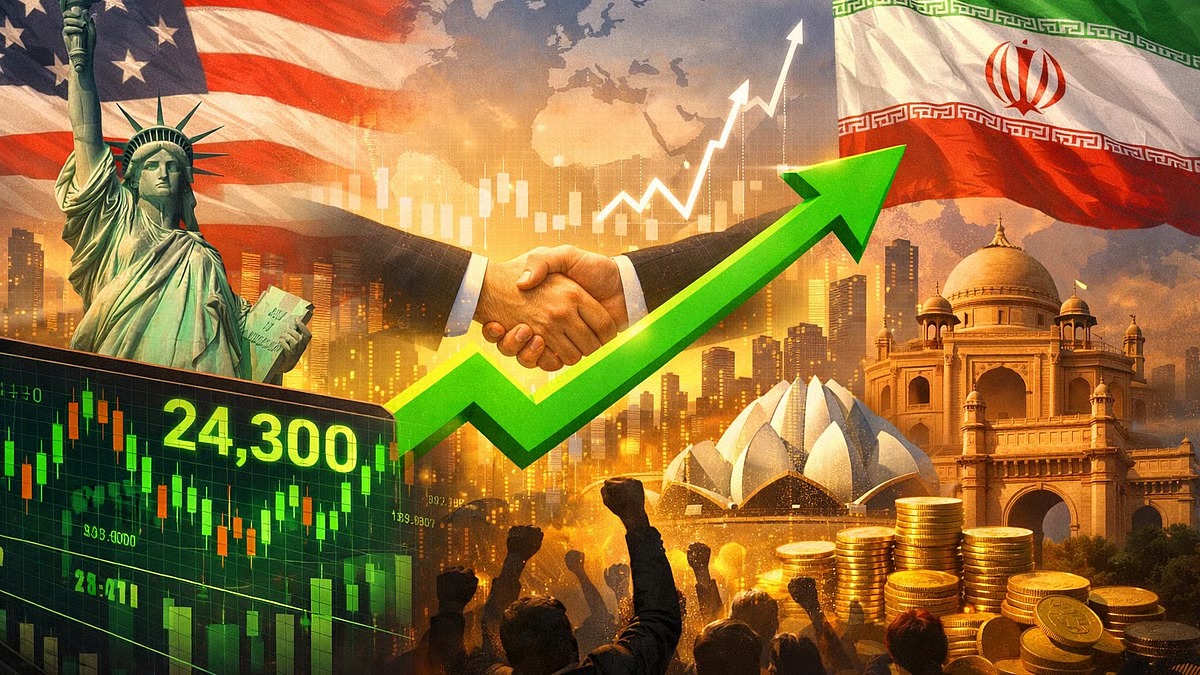
Global stock markets rallied on June 15, 2026, following a tentative US-Iran peace deal. The agreement to reopen the Strait of Hormuz caused oil prices to drop significantly, fueling hopes for lower inflation. Tech stocks, including SpaceX, led the gains as investors pivoted away from geopolitical risk toward growth assets.
NEW YORK — Wall Street kicked off the week with a sharp rally on Monday, June 15, 2026, as investors cheered a tentative peace agreement between the United States and Iran. The announcement, which includes a commitment to end military operations and reopen the critical Strait of Hormuz to commercial shipping, sparked a global "risk-on" sentiment that sent major indices climbing across the board.
The S&P 500 rose 1.5% in early trading, while the tech-heavy Nasdaq Composite jumped 2.3% as markets unwound months of geopolitical risk premium. The Dow Jones Industrial Average also joined the advance, gaining more than 600 points in morning trade. The rally mirrored positive movements in Asia and Europe, where benchmarks including Japan’s Nikkei 225 reached record highs following the news.
Easing Energy Costs Drive Market Optimism
The cornerstone of the market's bullish reaction is the expected normalization of global crude oil flows. With the Strait of Hormuz set to reopen, Brent crude prices fell 4.8% to $83.18 a barrel, a significant relief after the commodity had surged beyond $100 in recent weeks.
For investors, the potential end to the energy supply crunch offers a reprieve from the "inflation dragon" that has dogged the global economy since the conflict began in late February. As fuel costs ease, markets are reassessing the trajectory for interest rates. Traders have already begun scaling back expectations for aggressive rate hikes by the Federal Reserve, with the probability of a rate increase this year dropping to 55% from 71% just one week ago.
Tech Sector and SpaceX Lead Gains
Beyond energy, the market's enthusiasm was fueled by continued momentum in the technology sector and a strong second-day performance from SpaceX. Following its highly anticipated debut on the Nasdaq last week, SpaceX shares rose another 5.4% on Monday, bringing the company's total valuation to approximately $2.1 trillion.
"The deal should help to reduce the risk of a more disruptive outcome for the global economy," said Lee Hardman, a senior currency analyst at MUFG. Sentiment was further bolstered by major tech players, with Amazon, Meta, and chipmakers like Micron Technology and AMD all posting strong gains.
Official Sources Section
The details of the agreement were announced by U.S. officials over the weekend, with subsequent confirmation that a formal signing ceremony is scheduled for Friday in Switzerland. According to reports from the White House and international monitors, the memorandum of understanding establishes an immediate ceasefire across all active fronts, including Lebanon.
Quote Section
"According to officials at the central bank, the transition has given investors a clear reason to dial back some of the geopolitical risk premium that has hung over markets. While there are still details to be ironed out before markets can fully trust the agreement, for now, the direction of travel is clear: lower oil, calmer nerves, and a renewed appetite for risk."
Why It Matters
The tentative deal represents a potential turning point for the global economy, which has struggled with supply chain disruptions and volatile energy prices for the past four months. For businesses and consumers, a return to pre-war shipping levels through the Strait of Hormuz could alleviate upward pressure on consumer prices. However, market analysts remain cautious, noting that significant gaps remain between the stated positions of the U.S. and Iran, particularly concerning nuclear enrichment programs, which are deferred to future negotiations.
Key Facts at a Glance
Market Rally: The S&P 500 climbed 1.5% and the Nasdaq Composite jumped 2.3% in response to the peace deal.
Oil Prices Fall: Brent crude fell 4.8% to $83.18 per barrel, easing inflation concerns globally.
SpaceX Growth: The rocket company rose 5.4% on its second day of trading, sustaining a $2.1 trillion valuation.
Interest Rate Outlook: Traders have significantly reduced their bets on Federal Reserve rate hikes for the remainder of the year.
Diplomatic Timeline: A formal signing ceremony for the peace agreement is scheduled for this Friday in Switzerland.
FAQ Section
Why is the Strait of Hormuz so important to the stock market?
The Strait of Hormuz is one of the world's most vital maritime oil shipping routes. Its closure during the conflict restricted global supply and drove up energy prices; its reopening is seen as essential for stabilizing global industrial costs.
Is the peace deal final?
No, it is a 60-day memorandum of understanding. While it mandates an immediate ceasefire, significant issues including Iran's nuclear enrichment program remain unresolved and are slated for further negotiation.
What does this mean for inflation?
If oil prices continue to ease, the broader inflationary pressure on commodities and manufacturing should decline. This allows central banks, such as the Federal Reserve, more flexibility in their interest rate policies.
Source: BNN Bloomberg, Financial Times, StoneX, Business Standard