India’s building material safety standards are under severe scrutiny following recent fatal urban fires driven by combustible synthetic panels and poor insulation. Regulatory bodies are strictly enforcing the National Building Code, launching third-party material audits, and leveraging a ₹5,000 crore safety modernization fund to curb structural violations.
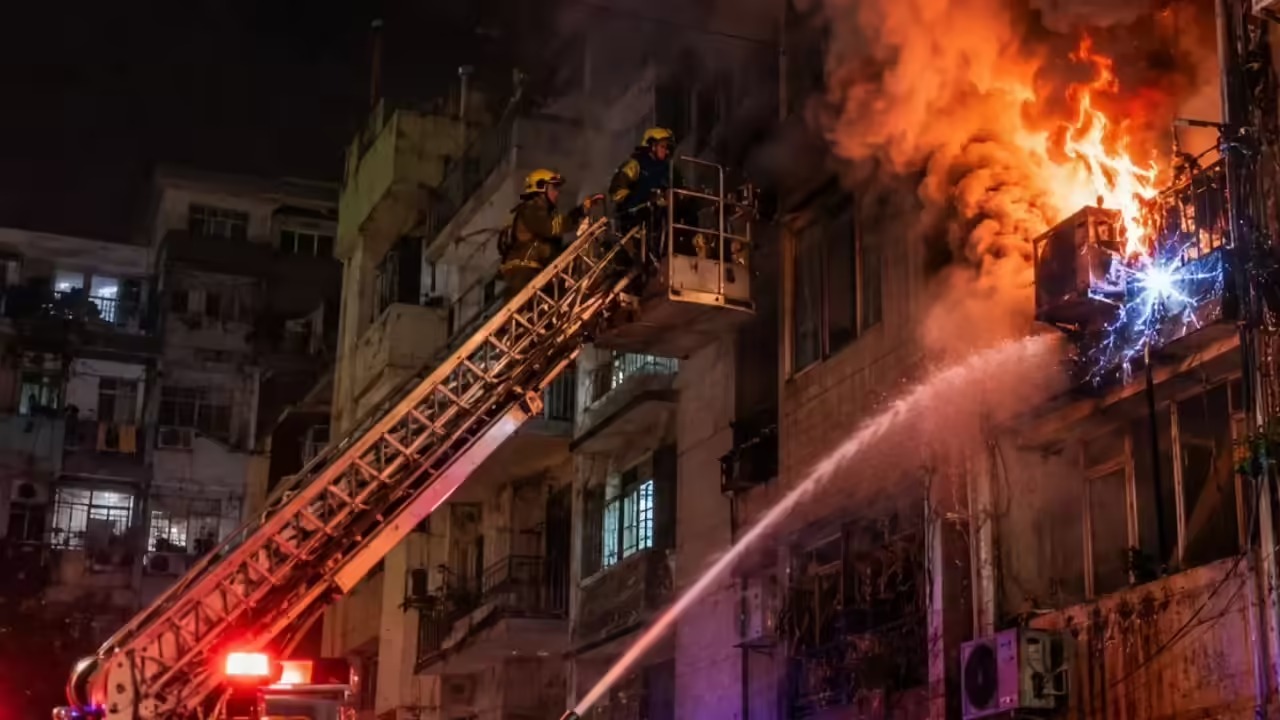
NEW DELHI — India’s regulatory framework governing construction standards faces heavy inspection as building material safety falls under intense public and statutory scrutiny. The sudden push for accountability follows a series of high-intensity urban fire tragedies across the country, including a devastating commercial blaze in Malviya Nagar, Delhi, that claimed 21 lives, alongside recent fatal fires in Cuttack and Noida.
The Ministry of Home Affairs and municipal corporations have initiated sweeping structural audits of high-density commercial complexes and residential high-rises. Investigators report that the rapid, unchecked integration of unrated, highly inflammable interior materials such as cheap synthetic composite wall paneling, flammable insulation, and unsealed vertical ducting acts as a primary accelerant. This makes immediate enforcement of the National Building Code (NBC) critical to preventing further loss of life.
Combustible Facades and Interior Frameworks Drive Flash Fires
Data compiled by regional forensic labs indicates that modern urban fires are behaving with significantly higher intensity compared to previous decades. Regulatory inspections reveal that commercial real estate developers frequently substitute traditional, fire-retardant brick and plaster with cheap, oil-based synthetic polymers to cut costs.
The Delhi Fire Services (DFS) highlighted that rapid interior burning patterns are directly linked to specific construction materials:
Unrated ACP Cladding: Widespread use of non-fire-retardant Aluminum Composite Panels (ACPs) with polyethylene cores on building exteriors allows external blazes to bypass structural firebreaks and engulf multi-story structures in minutes.
Polyurethane Foam Insulation: Interior acoustic insulation and false ceilings using low-grade polyurethane (PU) or expanded polystyrene create dense, highly toxic black smoke upon ignition, blinding occupants and knocking them unconscious within 90 seconds.
Unsealed Utility Shafts: Multi-story building designs regularly skip mandatory horizontal fire-stopping barriers inside vertical electrical and plumbing ducts, effectively turning service shafts into chimneys that rapidly draw toxic fumes across floors.
Government Mandates Tight Enforcement of National Building Code
In response to the recurring safety lapses, the Bureau of Indian Standards (BIS) and urban development departments are tightening compliance channels. Under Part 4 of the National Building Code, 2016, which dictates explicit fire and life safety benchmarks, any high-rise measuring 15 meters or taller must integrate structural compartmentation, pressurized escape stairwells, and strict flame-spread thresholds for all interior linings.
State governments are shifting from passive oversight to active structural tracking. Backed by a ₹5,000 crore central allocation from the 15th Finance Commission dedicated to the Expansion and Modernization of Fire Services, states are rolling out mandatory third-party building material safety audits. Municipalities are empowered to permanently revoke the Occupancy Certificates (OC) and Fire No-Objection Certificates (NOC) of any commercial structure using unverified or counterfeit insulation materials.
Official Sources Section
The technical mandates and building material safety metrics cited are governed by Part 4 (Fire and Life Safety) of the National Building Code of India. Enforcement policies, structural grants, and casualty registries are tracked by the Ministry of Home Affairs and synchronized with municipal bye-laws outlined by the Ministry of Housing and Urban Affairs.
Quote Section
"According to officials presenting the national fire safety statement before Parliament, legal leniency for developers using substandard materials has ended. State fire chiefs stated that the widespread practice of modifying approved blueprints and installing cheap, unrated polymer alternatives inside high-occupancy commercial properties directly turns local buildings into high-risk environments during an electrical failure."
Why It Matters
The rigorous scrutiny facing the construction and building material safety sector has far-reaching practical impacts on commercial property markets, material suppliers, and ordinary citizens. For real estate investors and businesses, non-compliance with the updated NBC guidelines will lead to immediate asset closures, hefty municipal penalties, and a total denial of corporate insurance coverage.
For everyday consumers and high-rise tenants, these strict material checks ensure that residential and office spaces are built with proven fire-resistant barriers, preventing sudden flash fires and providing clear, smoke-free evacuation routes during emergencies.
Key Facts at a Glance
Material Red Flag: Unrated aluminum composite panels (ACP) and polyurethane insulation are identified as the leading drivers of rapid urban fire spread.
NBC Enforcement: High-rise structures measuring 15 meters or more face immediate structural audits to verify compliance with fire compartmentation mandates.
Modernization Budget: A dedicated ₹5,000 crore central fund is being distributed to states to upgrade fire monitoring technologies and regional training systems.
Outflow Penalties: Municipal bodies have been directed to cancel the operational clearances of commercial properties that fail to maintain open, secondary emergency exits.
Smoke Management Mandate: New regulations require high-occupancy buildings to feature automated, mechanical smoke extraction fans in all enclosed stairwells.
FAQ Section
What is fire compartmentation, and why is it vital in modern high-rises?
Fire compartmentation is a structural design technique where a building is divided into self-contained "cells" using fire-rated walls and floors. This architecture confines a localized fire to its point of origin for a specified duration, preventing flames and toxic smoke from spreading to adjacent floors.
How can a buyer check if a building uses fire-safe materials?
Property buyers should explicitly request the building's official Fire No-Objection Certificate (NOC) and verify that all external cladding and internal paneling carry valid flame-spread test certifications from accredited laboratories like the Central Building Research Institute (CBRI).
Who is legally responsible for maintaining fire safety gear in an active building?
While the initial design and material implementation are the sole responsibility of the builder, the ongoing maintenance, testing of water sprinklers, and execution of quarterly evacuation drills fall on the building's Resident Welfare Association (RWA) or commercial property management firm.
Source: Ministry of Home Affairs Parliamentary Directory, Bureau of Indian Standards National Building Code Registry, Delhi Fire Services Compliance Logs.