The Nationalist Citizens Party of India (NCPI), a minor party with only 822 historical votes, has overnight become West Bengal's largest parliamentary bloc after 20 rebel Trinamool Congress MPs chose to merge with it. The strategic move allows the faction to bypass anti-defection disqualification while realigning their legislative power with the NDA.
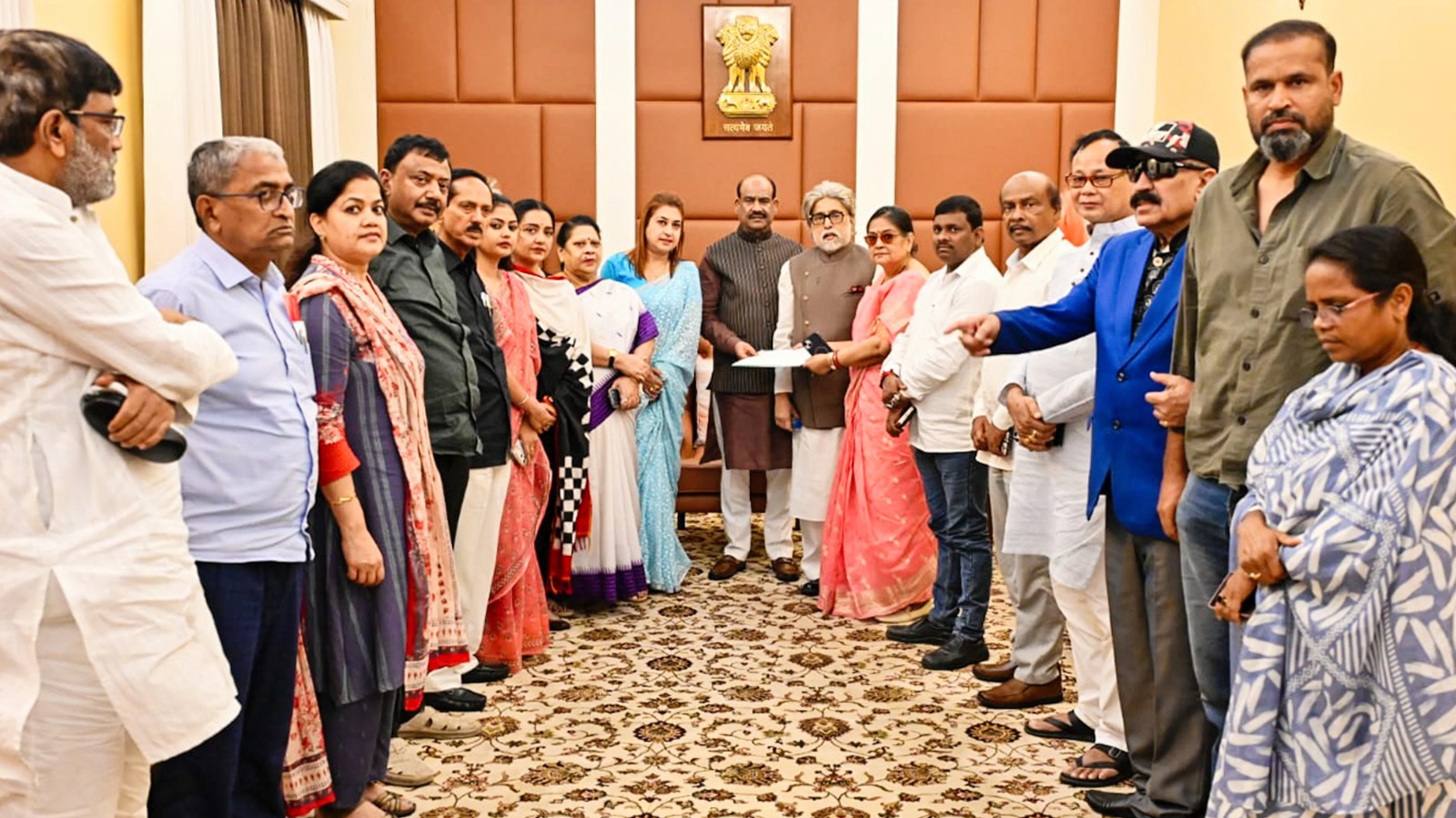
NEW DELHI — In a highly unusual development that has upended national political dynamics, 20 rebel Lok Sabha Members of Parliament (MPs) from the Trinamool Congress (TMC) formally announced their decision to merge with the little-known Nationalist Citizens Party of India (NCPI). The sudden shift occurred on Sunday, June 14, 2026, when the dissident faction met with Lok Sabha Speaker Om Birla to request separate seating arrangements and declare their immediate merger with the registered regional outfit.
The political maneuver completely transforms the status of the NCPI. Registered just three years ago with a minuscule footprint, the party has overnight bypassed established state bodies to become a major player in national governance. Driven by a desire to avoid disqualification under India’s anti-defection laws following the TMC's defeat in the 2026 West Bengal Assembly elections, the rebel bloc's choice to absorb into the NCPI instantly reshapes parliamentary majorities and expands the footprint of the ruling National Democratic Alliance (NDA).
From Fringe Anonymity to National Balance of Power
The Nationalist Citizens Party of India was officially registered in January 2023 with the Election Commission of India (ECI). Managed primarily out of a modest, rural registered office in the Sankrail police station area of Howrah district, West Bengal, by founder Shiuli Kundu, a practising advocate at the Calcutta High Court, the party’s historical electoral presence was largely nonexistent.
Before this structural influx, the NCPI’s entire electoral history consisted of contesting only four Assembly seats during the 2023 Tripura state elections under the "pen nib with seven rays" symbol. Official data shows that the party managed a combined total of only 822 votes across its candidates, with its nominees routinely finishing behind the None of the Above (NOTA) option on local electronic voting machines.
The party’s unexpected transformation into a legislative heavyweight highlights a major shift in parliamentary numbers:
Following the merger, the NCPI immediately issued public declarations claiming it has suddenly become the single largest parliamentary force representing West Bengal in the Lower House of Parliament, holding 20 seats against the Bharatiya Janata Party’s (BJP) 12 and the remaining loyalist TMC rump of eight.
Anti-Defection Safeguards Dictate Strategic Merger
The decision by the rebel faction to merge with a pre-existing, registered regional entity rather than attempting to declare themselves an independent parliamentary group was a tactical move designed to navigate the strict boundaries of the Tenth Schedule of the Indian Constitution. Under India's anti-defection framework, lawmakers who break away from their parent organization face automatic disqualification unless they can prove a structural merger involving at least two-thirds of their party's total legislative strength.
The Two-Thirds Math: Out of the 28 active Lok Sabha MPs belonging to the Trinamool Congress, the rebel camp successfully massed 20 parliamentarians, clearing the legal two-thirds safety line required to bypass individual disqualification petitions.
The faction was led by veteran parliamentarians including Sudip Bandyopadhyay, Dr. Kakoli Ghosh Dastidar, and Satabdi Roy. Before marching to the Speaker’s residence, the group finalized logistics during a huddle at the residence of Union Minister Bhupender Yadav, indicating clear alignment with the NDA leadership.
Official Sources Section
The physical receipt of the merger notification was formally validated via press records issued by the Lok Sabha Secretariat. Party registration data, historical voting metrics, and symbol allocations correspond directly with records kept by the Election Commission of India.
Quote Section
"According to officials presenting the developments in New Delhi, the faction intends to expand its claims as the parliamentary session nears. Senior rebel MP Sudip Bandyopadhyay stated that while the group is technically utilizing the NCPI vehicle to clear immediate compliance hurdles, they will actively move to seek formal recognition as the real, legal Trinamool Congress once the full Parliament session restarts in July, leaving the final organizational determination to the constitutional courts."
Why It Matters
The sudden rise of the NCPI carries major real-world consequences for the legislative landscape, regional businesses, and voters. By aligning all 20 of its newly acquired seats with the NDA, the NCPI effectively insulates the central government from sudden policy pressures, providing a more stable legislative environment to pass long-delayed economic and industrial reforms.
For the citizens of West Bengal, however, this dramatic political shift means their elected representatives are now operating under an entirely separate party banner and ideology than what was originally voted for during the general elections, showcasing how complex legal loopholes can quickly redraw regional political maps.
Key Facts at a Glance
Overnight Transformation: A minor party with just 822 historical votes has suddenly gained 20 sitting Lok Sabha MPs.
TMC Fractures: The 20 breakaway MPs represent more than two-thirds of the Trinamool Congress's original 28-member Lower House bench.
NDA Strength Extended: The newly expanded NCPI has pledged full legislative collaboration to support the prime minister's coalition.
Anti-Defection Shield: Merging into an existing registered party protects the breakaway faction from individual disqualification under the Tenth Schedule.
July Showdown Scheduled: The rebel camp plans to formally demand the name and symbol of the parent TMC when Parliament resumes next month.
FAQ Section
Why did the rebel MPs choose to merge with the NCPI instead of forming a brand new party?
Forming a completely new political faction in Parliament can leave lawmakers vulnerable to immediate legal challenges under the anti-defection law. By merging their two-thirds majority into an already registered, active regional party like the NCPI, they fulfill the explicit statutory conditions required to keep their parliamentary seats.
What is the current official status of the NCPI within the Election Commission?
According to official Election Commission of India databases, the NCPI is categorized as a registered, unrecognized political party. It was first registered in early 2023 and uses the fountain pen nib with seven rays as its official electoral symbol.
How does this move affect the political survival of the remaining TMC leadership?
The remaining eight loyalist MPs, led by Abhishek Banerjee, have submitted formal counter-petitions to the Lok Sabha Speaker. They argue that a valid legislative split must involve a verified merger of the core political party organization, not just the lawmakers inside the house, setting up a complex legal battle ahead of the July session.
Source: Election Commission of India Party Registry, Lok Sabha Speaker's Official Communiqués, The Hindu National Bureau Reports.