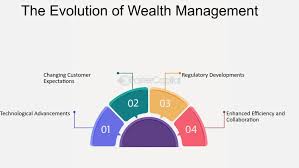
NEW YORK — Global financial institutions are executing a series of rapid operational changes as a combination of generational wealth transfers, artificial intelligence, and evolving regulatory standards alter the financial landscape. Industry data from mid-2026 confirms that firms specializing in wealth management are moving away from traditional, siloed advisory models toward interconnected, technology-driven ecosystems. This strategic realignment comes at a critical time, as firms compete to capture shifting capital pools while navigating macroeconomic volatility and higher-for-longer interest rate environments.
NEW YORK - Global financial institutions are executing a series of rapid operational changes as a combination of generational wealth transfers, artificial intelligence, and evolving regulatory standards alter the financial landscape. Industry data from mid-2026 confirms that firms specializing in wealth management are moving away from traditional, siloed advisory models toward interconnected, technology-driven ecosystems. This strategic realignment comes at a critical time, as firms compete to capture shifting capital pools while navigating macroeconomic volatility and higher-for-longer interest rate environments.
The restructuring of private banking and advisory services marks a permanent shift in how capital is preserved and deployed globally. For investors, corporate boards, and financial professionals, these institutional changes are altering fee structures, technology budgets, and the baseline qualifications required of the modern wealth manager.
1. The Multi-Trillion-Dollar Generational Wealth Transfer
The primary demographic catalyst forcing change across the sector is the accelerating transfer of assets from the baby boomer generation to millennial and Gen Z heirs. According to financial industry demographic surveys, this shift represents the largest transfer of wealth in modern economic history.
Firms are discovering that traditional relationship-based retention models fail during intergenerational transitions. Younger beneficiaries frequently liquidate legacy accounts within the first year of inheriting assets, preferring platforms that align with their distinct digital habits and societal values. Consequently, institutions are overhauling their communication interfaces and expanding specialized family office advisory services to build institutional loyalty with secondary and tertiary generations before the primary asset holders pass away.
2. Mass Scale AI Integration and Hyper-Personalization
Artificial intelligence has transitioned from an experimental software tool to a core component of portfolio construction and back-office optimization. Financial institutions are leveraging predictive analytics to provide hyper-personalized investment strategies at a scale previously impossible.
Rather than relying on static quarterly reviews, modern algorithmic platforms evaluate real-time market data alongside an individual client's cash flow needs, tax liabilities, and risk tolerance. This technological shift allows wealth managers to automate routine portfolio rebalancing and tax-loss harvesting, freeing advisors to focus on complex estate planning and behavioral coaching.
3. Demarginalization of Private Markets and Alternative Assets
Retail and mass-affluent investors are increasingly demanding access to alternative asset classes that were historically reserved exclusively for institutional funds. Wealth management platforms are responding by expanding access to private equity, private credit, venture capital, and real estate.
Regulatory changes and tokenization technologies have lowered minimum investment thresholds, allowing boutique firms and retail platforms to offer fractionalized shares of private funds. This shift provides diversification benefits outside of public equity and fixed-income spaces, but it also requires advisors to educate clients on the liquidity risks and extended horizons typical of alternative investments.
4. Structural Adjustments in Fee Models and Value Metrics
| Legacy Fee Structure | Modern Fee Evolution | Strategic Operational Impact |
| Assets Under Management (AUM) Only | Flat-fee retainers, hourly consulting, and performance-linked models. | Forces advisors to demonstrate holistic value beyond simple stock-picking or index tracking. |
| Transaction-Based Commissions | Subscription-based financial planning modules. | Reduces inherent conflicts of interest and aligns advisory incentives directly with client net-worth growth. |
5. Holistically Integrated Tax and Estate Planning
As tax laws grow increasingly complex across major jurisdictions, clients are rejecting fragmented advisory relationships. The modern industry standard demands that wealth management encompass an integrated view of an investor’s complete financial footprint.
Firms are aggressively acquiring or partnering with specialized CPA networks and legal practices to offer unified tax, philanthropic, and cross-border estate strategies. This shift ensures that portfolio decisions are evaluated immediately against real-time tax implications, maximizing net returns for high-net-worth individuals.
6. Regulatory Modernization and Heightened Compliance Mandates
Regulatory bodies globally are increasing scrutiny on fee transparency, data privacy, and fiduciary duties. Compliance costs within the financial sector have escalated significantly, forcing smaller advisory firms into consolidation.
To protect client data from sophisticated cyber threats and ensure compliance with shifting transparency rules, institutions are investing heavily in automated regulatory technology (RegTech). These platforms verify advisory actions against compliance checklists in real time, reducing corporate legal liabilities and reinforcing consumer protection protocols.
Official Sources Section
The institutional trends and operational metrics presented in this report are synthesized from recent corporate filings, industry white papers, and global regulatory advisories published by:
Quote Section
"The wealth management industry is experiencing an unprecedented convergence of technological disruption and demographic transition. Firms that fail to digitize their service architecture while maintaining a human advisory element will lose market share rapidly over the next three to five years."
— According to officials analyzing global banking trends
Why It Matters
The strategic shifts driving the evolution of the advisory landscape carry significant practical implications for the global economy. As billions of dollars migrate toward automated, hyper-personalized, and private-market-heavy structures, liquidity dynamics within public stock exchanges will adjust. For the individual consumer, these shifts democratize institutional-grade financial tools, lowering fees and providing average savers with the sophisticated risk-mitigation strategies previously accessible only to the ultra-wealthy.
Key Facts at a Glance
Demographic Shift: The ongoing historical multi-trillion-dollar wealth transfer is forcing firms to redesign client retention systems for younger heirs.
AI Adoption: Artificial intelligence is standardizing hyper-personalized portfolio adjustments and automating backend compliance checking.
Asset Access: Fractionalization and technological innovation are opening private equity and alternative markets to mass-affluent investors.
Fee Overhauls: Traditional assets-under-management fee structures are yielding to flat-rate and subscription planning models.
FAQ Section
What is driving the growth of alternative assets in wealth management?
The democratization of private markets is driven by technology platforms that allow fractionalized investing, combined with a desire from investors to seek yield outside of volatile public equity and fixed-income spaces.
How is artificial intelligence changing the role of human financial advisors?
AI is taking over repetitive analytical tasks like tax-loss harvesting, data entry, and portfolio rebalancing. This shifts the human advisor’s role toward behavioral coaching, complex estate structuring, and relationship management.
Why are traditional AUM fee models declining?
Clients are demanding greater transparency and feeling reluctant to pay percentage-based fees for automated index portfolios. Flat-fee and subscription models align costs directly with the complexity of the advice provided.
Source: Corporate structural reviews, financial sector regulatory updates from the Securities and Exchange Commission (SEC), and institutional industry white papers.